




The Engine Room of the AI Boom
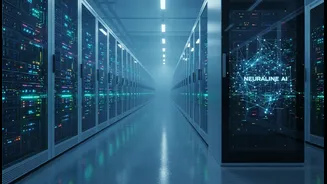
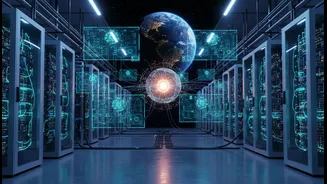
Before an AI can write a line of code or generate an image, it needs to be trained on colossal amounts of data. This training requires immense computational power, which is the core of the high-end AI infrastructure market. Think of it as the digital
plumbing and power grid for artificial intelligence. This market is currently dominated by a few key players. Nvidia reigns supreme, producing the highly sought-after graphics processing units (GPUs) that are the workhorses of AI model training. On the services side, cloud computing giants like Amazon Web Services (AWS), Microsoft Azure, and Google Cloud rent out access to this powerful hardware, allowing companies to build and run AI applications without owning their own supercomputers. The demand for this infrastructure is exploding, with some analysts projecting hyperscaler spending on AI-related capital expenditures to exceed $280 billion this year alone. This intense demand has created bottlenecks and a gold rush for computing power, setting the stage for a new player with a radical idea to enter the fray.
From Rockets to Orbital Data Centers
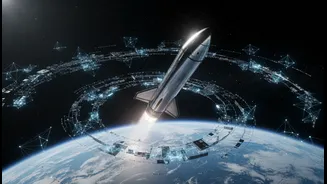
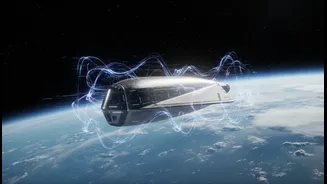
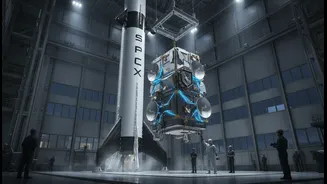
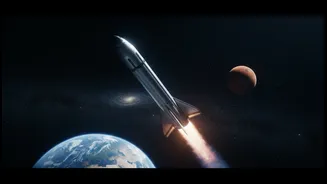
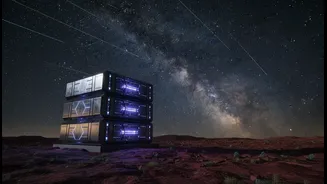
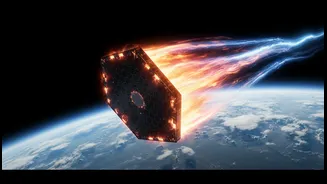
SpaceX's plan is not to simply build another data center on the ground. Instead, Elon Musk's vision involves launching data centers into space. This initiative, reportedly named Starmind, aims to solve two of the biggest constraints facing terrestrial AI: power and cooling. Earth-based data centers consume enormous amounts of electricity and require vast quantities of water or energy for cooling. In orbit, satellites can be powered by near-constant sunlight and radiate heat directly into the cold vacuum of space. The plan follows the recent merger of Musk's AI startup, xAI, into SpaceX, creating a vertically integrated powerhouse valued at a staggering $1.25 trillion. The combined entity, now known as SpaceXAI, plans to leverage its reusable rockets to deploy a massive constellation of up to one million specialized AI satellites. The first generation of these, the AI1 satellite, is designed with a wingspan wider than a Boeing 747 and is intended to function as an orbiting server rack.
The Starlink Advantage
SpaceX isn't just bringing launch capability to the table; its secret weapon is Starlink, its existing satellite internet constellation. A global, low-latency connectivity network is critical for the next era of AI, where intelligence is embedded in cars, drones, and remote industrial sensors. Starlink could provide the nervous system for a new kind of 'ambient intelligence,' making high-power computing accessible anywhere on Earth. This creates a powerful synergy: SpaceXAI can not only host AI models in orbit but also deliver their outputs globally via Starlink's network. This vertical integration—combining launch, satellite networking, and AI computing—is a significant competitive advantage that traditional cloud providers cannot easily replicate. It allows SpaceX to control the entire infrastructure stack, from the physical launch to the final data packet delivered to a user.
A New Frontier for Competition
While orbital data centers are still a futuristic concept with significant engineering hurdles, the ambition alone is reshaping the competitive landscape. SpaceX's strategy appears to be twofold. First, it is building massive terrestrial computing power, including a supercomputer called Colossus, reportedly using 200,000 Nvidia GPUs, to compete directly with existing cloud providers. The company is already in talks with the Pentagon for a potential multibillion-dollar deal to provide AI computing capacity, signaling its seriousness as an infrastructure player. Second, its long-term space-based plan offers a fundamentally different value proposition. By moving computing off-planet, SpaceX could sidestep the earthly limits of power grids and land use. This has attracted intense investor interest, positioning SpaceX as a major future player in AI infrastructure. This vision challenges the dominance of terrestrial giants by proposing a new, more scalable architecture for the future of AI.