






What is the New EV Policy?
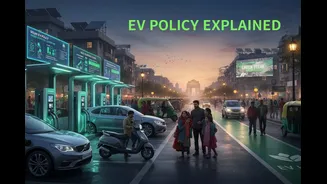
Effective from July 1, 2026, and running until March 2030, the Delhi EV Policy 2026 is the government's most aggressive push yet to fight air pollution by transforming the capital’s transport landscape. Backed by a massive ₹15,000 crore budget, the policy
aims to make electric vehicles the obvious choice for buyers through a mix of direct incentives and, for the first time, mandatory phase-outs for petrol and diesel vehicles in key categories. The goal is clear: accelerate the shift to zero-emission transport and establish Delhi as India's EV capital. Unlike previous policies, this one focuses exclusively on pure electric vehicles, with no benefits extended to hybrid models.
The Financial Perks: How Much Can You Save?
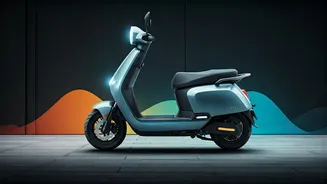
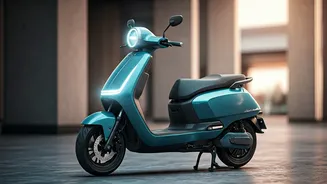
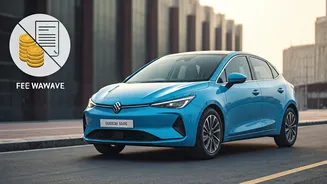
The policy makes a strong financial case for going electric, especially if you act early. For two-wheeler buyers, a purchase incentive of up to ₹30,000 is available in the first year, which will decrease in the following years. Three-wheeler buyers can get an even larger incentive of up to ₹50,000. While there are no direct purchase subsidies for private electric cars, the savings are still substantial. All new electric cars with an ex-showroom price up to ₹30 lakh are completely exempt from road tax and registration fees. This waiver alone can save you a significant amount on the final on-road price. All incentives will be routed directly to the buyer's bank account, simplifying the process.
Big Rewards for Scrapping Old Vehicles
To get older, more polluting vehicles off the road, the government has introduced a very attractive scrappage scheme. If you scrap your old BS-IV or older four-wheeler and buy a new electric car (under ₹30 lakh), you are eligible for a whopping ₹1 lakh incentive. The scrappage benefits for two-wheelers and three-wheelers are also significant, standing at ₹10,000 and ₹25,000, respectively. For commercial vehicle owners, scrapping an old N1 truck to buy an electric one can fetch an incentive of ₹50,000. This 'cash for clunkers' approach is designed to make the switch to an EV more affordable than ever.
The End of the Road for Some Petrol Vehicles
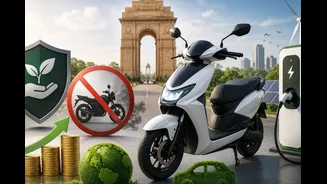
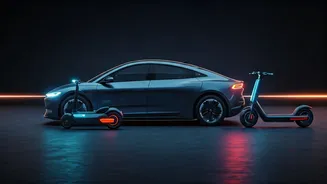
This is where the policy shows its teeth. It doesn't just encourage EVs; it sets firm deadlines for ending the registration of new internal combustion engine (ICE) vehicles in certain segments. From January 1, 2027, you will no longer be able to register a new petrol, diesel, or CNG three-wheeler (for passengers or goods) or a small commercial goods carrier in Delhi. An even bigger shift will happen on April 1, 2028. From that date, 100% of all new two-wheelers registered in the capital must be electric. If you plan to buy a new petrol scooter or motorcycle after this date, you simply won't be able to register it in Delhi. These mandates signal a clear, irreversible shift.
What About Charging?
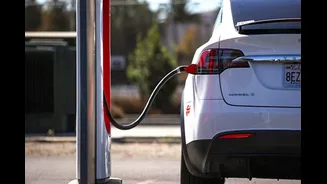
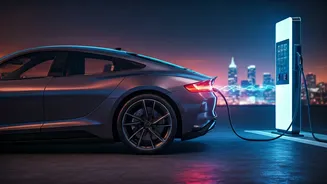
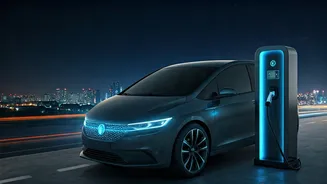
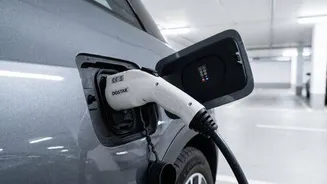
Range anxiety remains a major concern for potential EV buyers, and the government is addressing it head-on. The policy includes a massive infrastructure push, with a target to install over 30,000 public EV charging points across the city during the policy period. This plan aims to create a dense and reliable charging network, with stations planned for markets, office complexes, and residential areas. The government has committed a substantial part of its budget to developing this infrastructure, recognising that the success of the EV transition depends on making charging easy and accessible for everyone.