



Understanding the Principle of Scale
In interior design, scale refers to how the size of an object relates to the room and the other objects within it. It’s not just about how big or small something is, but about its proportion in context. When a planter is the wrong scale, it can make a plant look
lost or overwhelming, creating a sense of visual imbalance. A large, empty corner might require a substantial floor planter to feel anchored, while a tiny pot on a massive bookshelf can look like an afterthought. The goal is to choose a planter that feels intentional, creating a cohesive look that connects the plant to its surroundings. By mastering scale, you can elevate a simple houseplant into a sophisticated design element.
Matching the Planter to the Plant
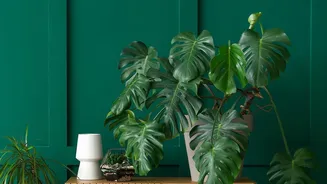
Before considering your furniture, the planter must first be the right size for the plant itself. This is crucial for both aesthetics and plant health. A general rule of thumb is to choose a pot that is 2 to 4 inches larger in diameter than the plant's current pot, allowing room for root growth without holding excessive moisture, which can lead to root rot. The planter should feel proportional to the plant's height and width. For tall, top-heavy plants like a Fiddle Leaf Fig, a heavier ceramic planter provides necessary stability and prevents tipping. For wide, bushy plants, the container should be broad enough to visually support its foliage. Getting this initial pairing right ensures your plant not only looks good but also has a healthy environment to thrive.
Harmonising with Your Furniture
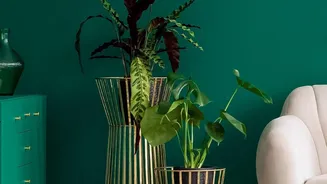
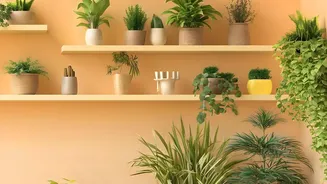
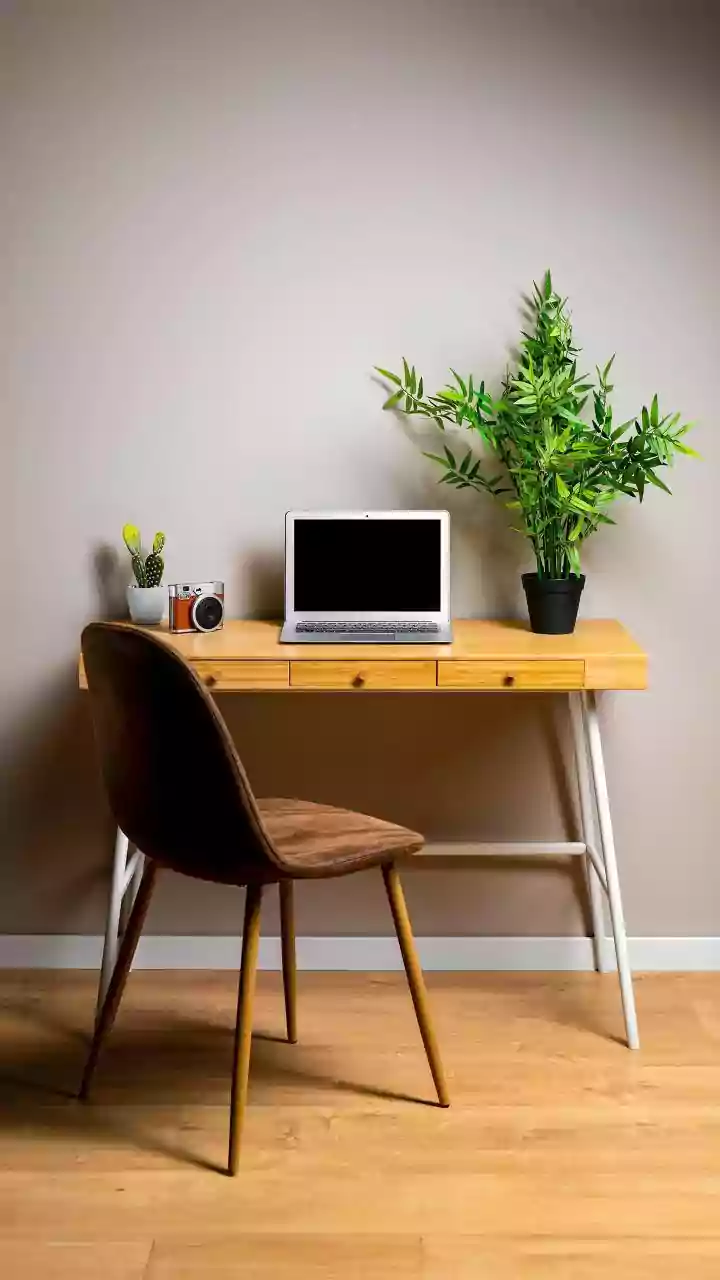
The next step is to consider the furniture around the plant. The planter should act as a bridge, connecting the natural element of the plant with the manufactured forms of your decor. A large, chunky planter can balance the visual weight of a substantial sofa or armchair. Conversely, a slim, elegant planter might better suit a delicate side table or a minimalist console. Think in layers: use tall standing planters to fill empty corners, medium planters to sit alongside sideboards, and smaller designs for shelves and tables. The colour and texture of the planter also play a key role. A ceramic planter with a neutral glaze can blend seamlessly with your decor, while a bold, colourful one can serve as a deliberate accent piece that complements your throw pillows or artwork.
The Unique Advantages of Ceramic
Ceramic planters are particularly effective for achieving this design integration for several reasons. Their weight provides a sturdy, substantial base for larger plants, anchoring them in the space. Unlike lightweight plastic, ceramic has a visual heft that helps it hold its own alongside furniture. Furthermore, ceramic comes in an enormous variety of shapes, colours, and finishes—from matte and minimalist to glossy and textured. This versatility allows you to choose a planter that perfectly matches your interior style, whether it's rustic, modern, or bohemian. Glazed ceramic planters also offer excellent moisture retention, which is beneficial for many common houseplants, and their solid build helps insulate roots from sudden temperature changes.
Creating Cohesive Groupings
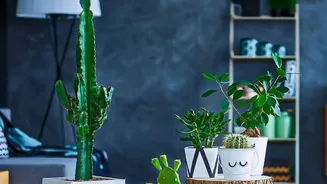
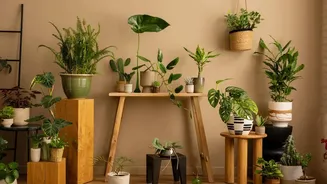
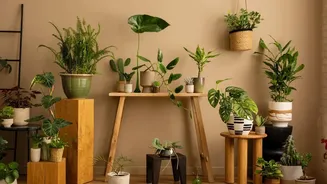
Applying the principle of scale is especially powerful when creating plant groupings. Instead of scattering individual plants around a room, clustering them together creates a stronger focal point. To do this effectively, vary the height and size of both the plants and their planters. A popular design trick is to group items in odd numbers, such as three or five, at varying heights to create a dynamic and balanced display. For instance, you could pair a large floor planter with a medium one on a low stool and a smaller one on a side table. By using ceramic planters from a similar colour family or with a consistent finish, you can create a curated, intentional look that feels unified even with different shapes and sizes.