




Why Your Skin is Stinging
That stinging or burning feeling is often a symptom of contact dermatitis, a type of skin reaction that occurs when your skin comes into contact with an irritant. Under a mask, a unique microenvironment is created. Heat, friction, and moisture from your breath
get trapped against your skin. This combination can weaken the skin's natural protective barrier, making it more vulnerable to irritation from the mask's fabric, dyes, or residues from cleaning products. The constant rubbing, especially on the bridge of the nose, cheeks, and chin, can further aggravate the skin, leading to inflammation and discomfort.
Identifying the Hidden Culprits
The cause of irritation from a homemade mask often falls into two main categories: the material itself and how you care for it. Synthetic fabrics like polyester can be less breathable, trapping more heat and sweat, which can lead to clogged pores and irritation. Even some natural fibres can be problematic if they have a rough texture. The second major culprit is your laundry routine. Fragranced detergents, fabric softeners, and harsh cleaning agents can leave behind chemical residues that are highly irritating to the sensitive skin on your face. If you've washed your mask with a new or heavily scented product, it could be the source of the problem.
Immediate Steps for Relief
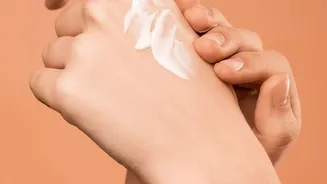
The moment you feel that stinging, your first step should be to remove the mask, if you are in a safe place to do so. Gently cleanse your face with a mild, fragrance-free cleanser and lukewarm water to remove any sweat, oil, or potential irritants. Avoid scrubbing or using harsh exfoliants, which can worsen the inflammation. Pat your skin dry and apply a simple, hydrating moisturizer. Products containing ingredients like hyaluronic acid or ceramides can help to soothe the skin and restore its protective barrier. Applying a thin layer of a barrier cream, like one containing petrolatum, can also provide a protective layer against friction.
Building a Skin-Friendly Mask
Preventing future irritation starts with choosing the right materials. For homemade masks, dermatologists and fabric experts often recommend tightly woven, 100% cotton. Cotton is known for being soft, breathable, and less likely to cause skin issues. A snug but comfortable fit is also crucial. A mask that is too tight creates excessive pressure and friction, while one that is too loose will move around and chafe the skin. Ensure your mask fits well over your nose and mouth without needing constant readjustment. It's also wise to have several masks on hand so you can rotate them, allowing each one to be thoroughly cleaned and dried between uses.
The Right Way to Wash Your Mask
Proper mask hygiene is essential for both safety and skin health. Always wash your reusable masks after each use in hot water. Opt for a hypoallergenic, fragrance-free laundry detergent to minimize the risk of leaving behind irritating residues. It’s best to skip fabric softeners and dryer sheets entirely for your masks. After washing, rinse the mask thoroughly to ensure all detergent is removed. Allow it to dry completely before wearing it again, as a damp mask can promote the growth of bacteria and fungus. Taking these extra steps in your laundry routine can make a significant difference in keeping your skin calm and comfortable.