








The Nolan Spectacle
Christopher Nolan doesn’t just make movies; he crafts cinematic events. He is a staunch advocate for shooting on film, using practical effects over computer-generated imagery, and preserving the grand theatrical experience. From the rotating hallways
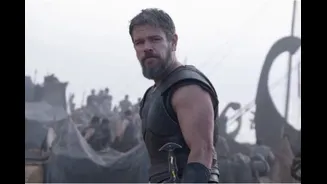
in Inception to the sprawling battlefields of Dunkirk, his approach is defined by a commitment to tangible realism and immersive scale. His films often explore complex themes like time, memory, and morality, wrapped in non-linear narratives that demand a viewer's full attention. For his adaptation of Homer's epic poem, The Odyssey, starring Matt Damon as the wandering king, Nolan has pushed his methods to their absolute limit. The film marks a major milestone as the first feature to be shot entirely with IMAX 70mm film cameras, a decision that defines both its visual splendor and its biggest accessibility hurdle.
The IMAX 70mm Conundrum
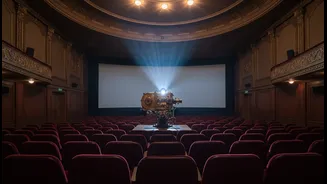
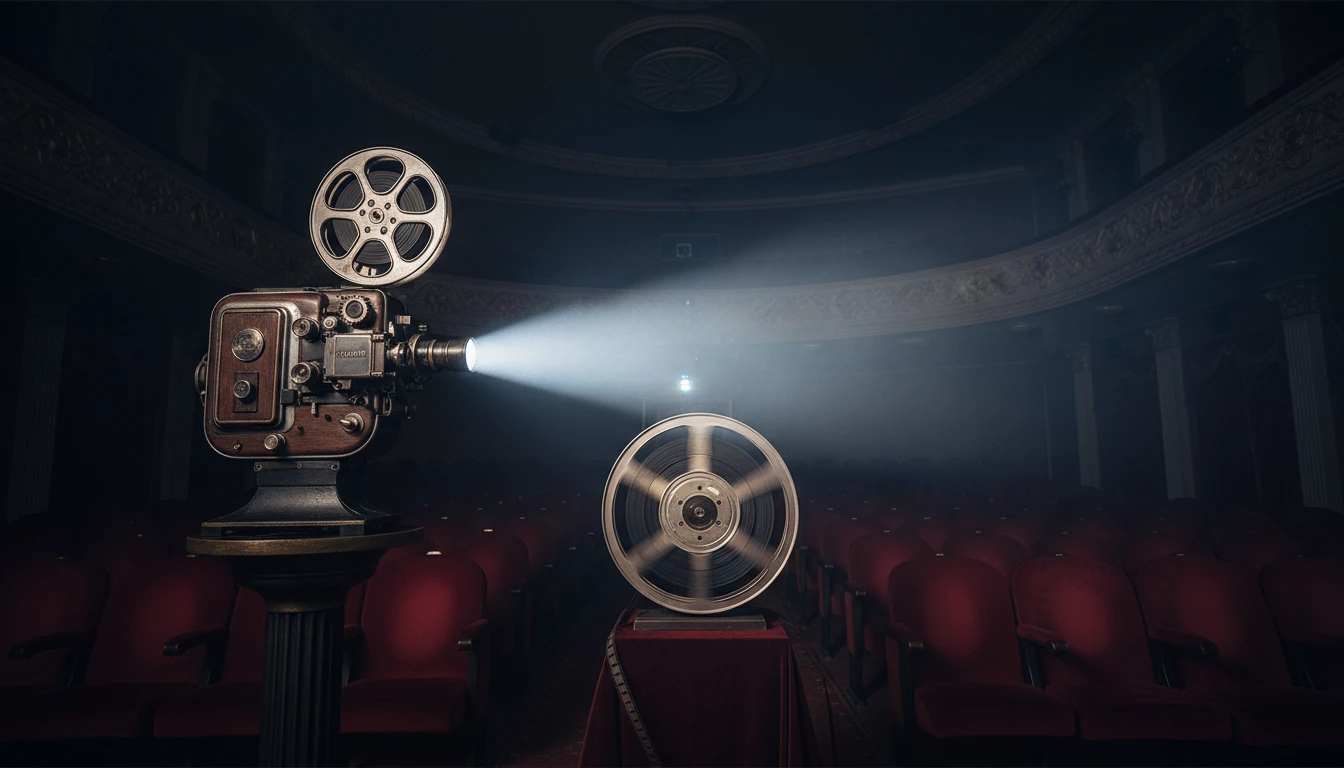
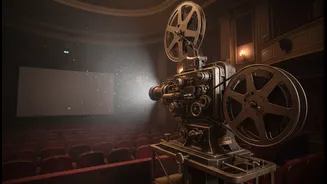
To understand the struggle to see The Odyssey as intended, one must understand IMAX 70mm film. This format uses massive celluloid frames that run horizontally through a projector, capturing an image with breathtaking clarity and a unique 1.43:1 aspect ratio. The result is a taller, more immersive picture that fills your entire field of vision, a quality Nolan used to capture both epic landscapes and intimate facial expressions. The problem is a simple one of scarcity. There are only about 41 theaters in the entire world equipped with the specialized, house-sized projectors needed to show a 70mm IMAX print. In the United States, just 25 venues across 14 states have this capability. That means for the vast majority of audiences, the version of The Odyssey they see in a theater branded as "IMAX" will be a digital version, cropped from its original towering aspect ratio.
More Than Just the Screen
The challenges extend beyond the projector. The logistics of a 70mm IMAX release are immense. A full print of The Odyssey is reportedly 11 miles long and weighs hundreds of pounds, requiring expert projectionists who are themselves a rarity in the digital age. Breakdowns and technical glitches have been reported at screenings, a side effect of pushing decades-old technology to its limits for a three-hour epic. Furthermore, there is Nolan’s notoriously controversial sound design. The director prefers using on-set audio for authenticity and mixes his films with a thunderous, wide dynamic range, intending for the soundscape to be felt as much as heard. While this creates a visceral experience in a perfectly tuned theater, many viewers of past films like Tenet and Interstellar have complained about dialogue being difficult to understand, a problem that persists unless the cinema's audio system is calibrated to Nolan's precise specifications.
An Experience by Design
For Nolan, this difficulty is not a bug; it's a feature. By making his films technically demanding, he elevates them into must-see events, drawing a hard line between a passive home viewing and an active theatrical pilgrimage. The feverish demand for the limited 70mm tickets, with shows selling out weeks in advance, proves he has an audience willing to undertake the quest. IMAX has reportedly retrofitted and rebuilt as many old projectors as possible for The Odyssey's release, but CEO Richard Gelfond has stated that manufacturing new ones is not practical, as the parts and blueprints are nearly half a century old. This scarcity cements the 70mm experience as something rare and special, the cinematic equivalent of seeing a masterpiece in its original form. It transforms a movie ticket into a coveted artifact for film purists.