


The Holy Trinity of South Indian Breakfast
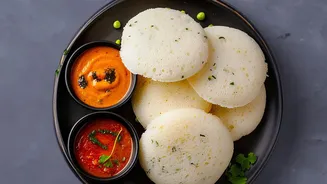
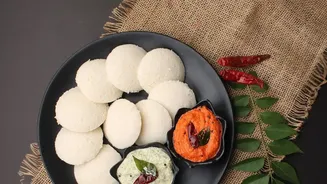
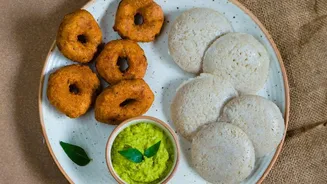
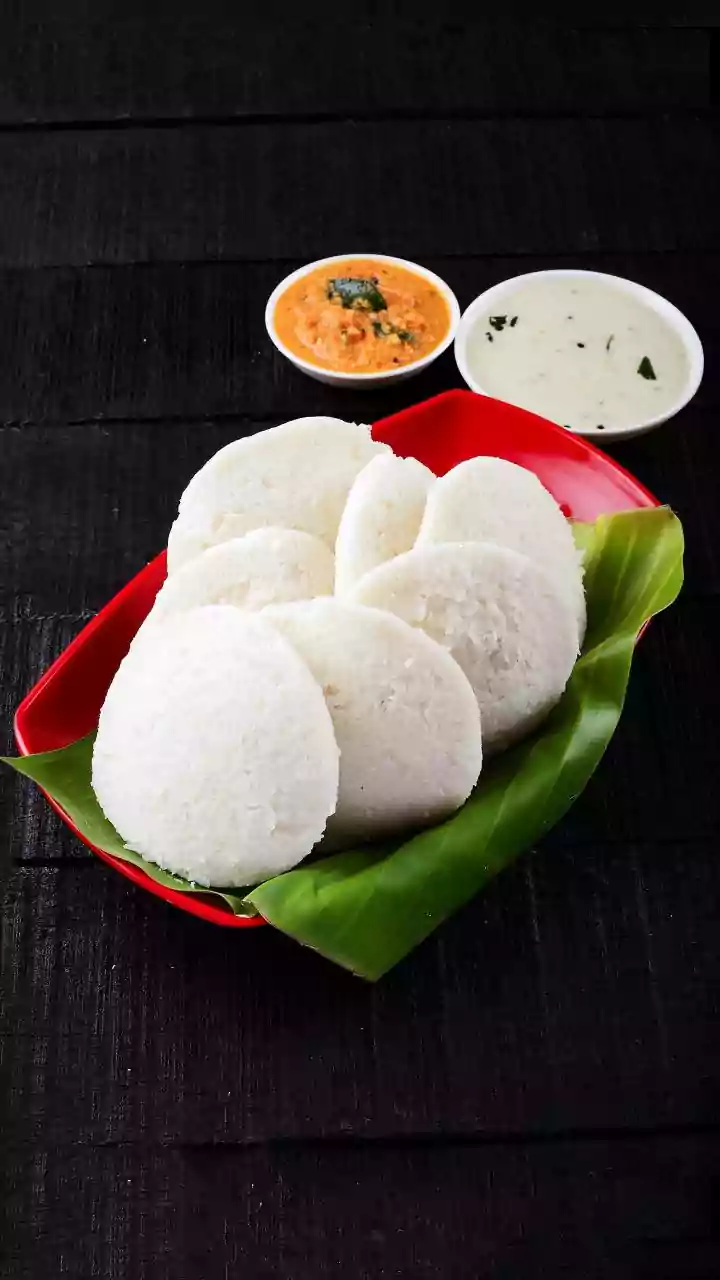
For millions, the morning doesn’t truly begin without a plate of steaming, fluffy idlis. While sambar and chutney are classic companions, the trio of idli, milagai podi (also known as ‘gunpowder’), and ghee holds a special, nostalgic place. It’s a study
in contrasts: the soft, neutral canvas of the steamed rice cake, the coarse, fiery kick of the roasted lentil and chilli powder, and the nutty, aromatic richness of clarified butter. When these elements come together correctly, they create a flavour explosion that is both comforting and complex. The ghee’s role is crucial; it does more than just add flavour. It acts as a binding agent for the dry podi, helping it cling to the idli, and it mellows the sharp heat of the chillies, creating a more rounded, palatable experience. This simple yet profound combination is a testament to the genius of South Indian cuisine, turning a humble breakfast into a crave-worthy meal.
Understanding Your Core Ingredients
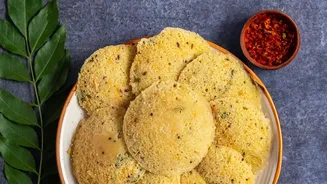
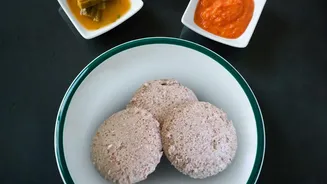
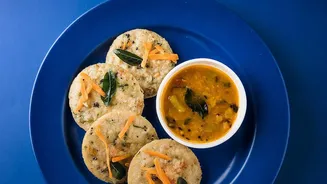
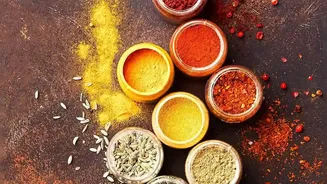
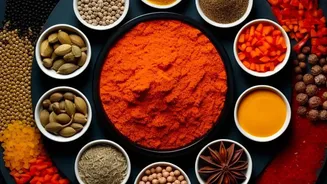
The success of this dish hinges on the quality of its three components. First, the idli itself must be perfect. A good idli is soft, porous, and fluffy, allowing it to absorb the ghee and podi mixture without becoming dense. Leftover idlis that have firmed up slightly in the refrigerator are often considered ideal for making podi idli, as they are less likely to crumble when tossed. Next is the podi. While store-bought versions are convenient, homemade milagai podi offers superior flavour and the ability to control the spice level. A good podi has a coarse, grainy texture from roasting lentils like urad and chana dal separately until aromatic. The type of chillies used—like less spicy Kashmiri or Byadagi for colour versus hotter Guntur for a fiery kick—also defines its character. Finally, the ghee. Not all ghee is created equal. A high-quality, traditionally prepared ghee (like A2 or bilona ghee) will have a richer aroma and nuttier flavour that significantly elevates the dish.
The Greasy Dilemma: Why It Goes Wrong
The most common pitfall when preparing podi idli is ending up with a slick, greasy plate instead of a well-coated, flavourful one. This usually happens for two main reasons: temperature and quantity. Ghee is a fat, and if used excessively or at the wrong temperature, it will simply coat the idli in a layer of oil, making it heavy and unappetizing. The podi itself can only absorb so much fat. Beyond that point, the ghee will pool at the bottom of the plate. Another factor is the temperature of the ghee and the idli. Adding cold or solidified ghee to hot idlis can result in an uneven melt and distribution. Conversely, pouring smoking hot ghee can sometimes 'fry' the podi, altering its flavour for the worse. The goal is to get the ghee to a warm, liquid state where it can perfectly bind with the podi and evenly coat the idli, enhancing flavour without creating an oily slick. Without enough fat, the podi remains dry and dusty; with too much, it becomes a greasy puddle.
The Golden Ratio and Technique
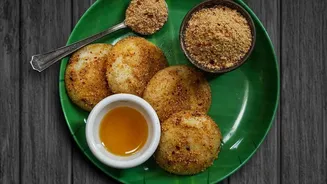
There isn’t a single magic ratio, as it depends on the coarseness of your podi and personal preference. However, the technique is universal. The most traditional and effective method is to create a small mound of podi on your plate and make a well in the centre. Gently warm the ghee until it is liquid and aromatic, but not smoking. Pour a small amount of the warm ghee into the well of podi. Use a spoon or your finger to mix the ghee and podi into a thick, wet-sand-like paste. You are looking for a consistency that will cling to the idli, not run off it. It’s always better to start with less ghee and add more if the mixture seems too dry. Once you have your paste, you can tear off a piece of hot idli and dip it in. This method gives you perfect control over the ratio for every single bite, ensuring no idli is left behind and no plate is swimming in grease.
Beyond the Dip: Tips for Tossed Podi Idli
For those who prefer their idlis pre-tossed (a popular snack and travel food), the principles remain the same. The key is to work quickly over heat. For this method, mini idlis or regular idlis cut into bite-sized pieces work best. Heat a pan and add a small amount of ghee. Once warm, you can add mustard seeds and curry leaves for an extra layer of flavour. Turn off the heat before adding the idlis to the pan. This is crucial to prevent them from frying. Sprinkle the podi generously over the idlis, then toss everything together gently until the pieces are evenly coated. If the mixture looks dry, you can drizzle a little more warm ghee and toss again. The residual heat from the pan will warm everything through, ensuring the podi and ghee meld perfectly with the idlis without making them greasy. Let them roast for just a minute to allow the coating to set.