



Why Go Back to Your Roots?
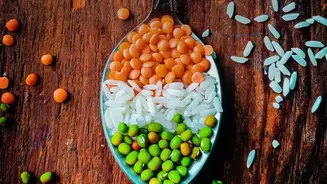
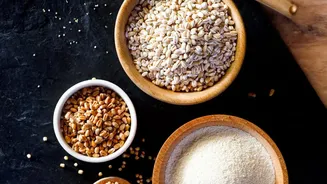
Before polished rice and refined wheat dominated our plates, a diverse range of grains nourished our ancestors. These traditional grains, including millets like jowar, bajra, and ragi, are making a resurgence for good reason. They are typically higher
in fibre, protein, and essential micronutrients like iron, calcium, and magnesium compared to their more processed counterparts. Many are naturally gluten-free and have a lower glycemic index, which helps in managing blood sugar levels by releasing energy slowly. This makes them an excellent choice for weight management, better digestion, and overall metabolic health. Furthermore, these grains are often more sustainable, requiring less water and thriving in conditions where other crops might fail, making them a kinder choice for the environment.
Meet the Grains: Jowar (Sorghum)
Jowar, or sorghum, is a gluten-free staple, especially popular in Maharashtra and Karnataka. It is incredibly rich in dietary fibre and iron, providing nearly three times the iron found in wheat. Its high fibre content promotes a feeling of fullness, aiding in weight management and supporting digestive health. Traditionally, jowar flour is used to make 'bhakri' or 'jowar roti', a soft, unleavened flatbread. To start, try swapping a portion of your regular wheat atta with jowar atta. You can also find jowar flakes, which make for a nutritious and savoury poha, or cook the whole grain like rice to serve with dals and curries.
The Power of Ragi (Finger Millet)
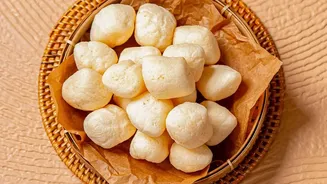
Known as the 'calcium king', ragi is a nutritional marvel, especially for women and children. It is one of the richest plant-based sources of calcium, crucial for bone health. Popular across South India, this grain is also loaded with iron and amino acids. Its versatility is its greatest strength. You can easily incorporate ragi flour into your diet by making instant dosas, which require no fermentation—just mix the flour with water, salt, and spices for a quick, healthy breakfast. Ragi is also traditionally used to make porridge (ragi malt), nutritious laddoos, and 'ragi mudde' (steamed balls) served with sambar.
Warming Up with Bajra (Pearl Millet)
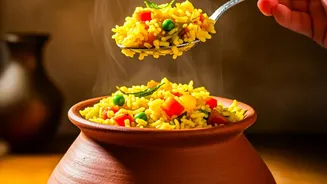
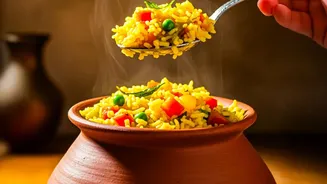
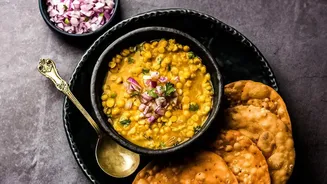
Bajra is a dense, warming grain that has been a staple in the arid regions of Rajasthan and Gujarat for millennia. It is packed with iron, protein, and magnesium, which supports heart health and can help regulate blood pressure. Because of its warming properties, it is traditionally consumed in winter. The most common way to enjoy it is in the form of 'bajra roti', often served with a dollop of ghee and jaggery. You can also prepare a hearty bajra khichdi by cooking it with lentils and vegetables or use its flour to make savoury puris.
Exploring Kuttu and Rajgira (Pseudocereals)
Though often grouped with grains, buckwheat (kuttu) and amaranth (rajgira) are technically seeds, also known as pseudocereals. Commonly consumed during fasting periods like Navratri, they are gluten-free powerhouses. Kuttu has an earthy, nutty flavour and can be used to make everything from khichdi and dhokla to savoury pancakes. Rajgira, on the other hand, is rich in protein and can be 'popped' like corn to be used in chikkis or granola. The flours of both can be combined to make flavourful, gluten-free pooris and parathas.