






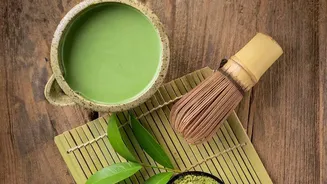


The Global Matcha Gold Rush
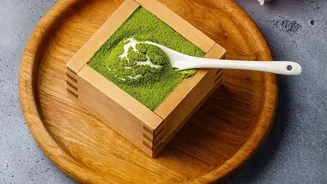
From trendy cafés in New York to supermarket shelves in India, matcha is everywhere. Once a niche product reserved for traditional Japanese tea ceremonies, the finely ground powder is now a mainstream ingredient in everything from ice cream and energy
bars to skincare. This explosive growth has turned matcha into a critical economic engine for Japan's agricultural sector. In 2025 alone, green tea exports, driven largely by matcha, reached a record high. This surging international demand has created an unprecedented 'gold rush' for the green powder, with some farmers seeing the price for their raw leaves triple in just a few years. While this provides a much-needed lifeline for some, it has also created a series of complex challenges for an industry steeped in tradition.
A Tale of Two Leaves: Sencha vs. Tencha
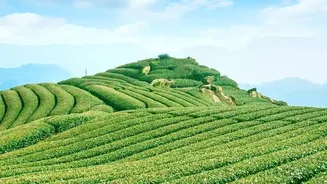
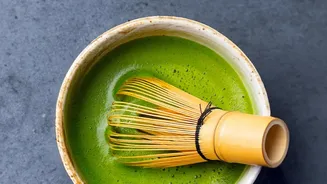
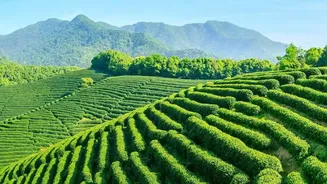
At the heart of this industry shift is the difference between two types of tea leaves: sencha and tencha. Sencha is the quintessential Japanese green tea, grown in full sunlight and making up the majority of tea consumed within Japan. It's the tea most Japanese people drink daily. Tencha, on the other hand, is the raw material for matcha. Its cultivation is more laborious, requiring tea bushes to be shaded from the sun for weeks before harvesting. This process boosts chlorophyll and L-theanine levels, giving matcha its characteristic umami flavour and vibrant colour. The leaves are then steamed and dried flat before being stone-ground into powder. Historically, tencha production was a small fraction of Japan's total tea output, but the global matcha boom is rapidly changing that equation.
Follow the Money: The Switch to Tencha
For many Japanese tea farmers, the decision to switch is a simple matter of economics. While domestic demand for traditionally brewed sencha has been declining as younger generations favour bottled drinks, the international appetite for matcha shows no signs of slowing. As a result, tencha has become a far more profitable crop. Faced with an ageing workforce and shrinking profits from sencha, many producers see converting their fields as the only viable path forward. In some regions, farms that once primarily grew sencha have flipped their production ratios dramatically in favour of tencha. Prefectural and national governments are even offering subsidies to help farmers purchase the necessary shading sheets and processing equipment, viewing matcha as a key export to secure the industry's future.
A Risky and Irreversible Path
However, converting a field from sencha to tencha is not as simple as flipping a switch. It requires significant investment in shading infrastructure and new machinery. Furthermore, the cultivation methods are fundamentally different, meaning the shift is largely irreversible without another substantial investment. This creates a high-stakes gamble for farmers. They are betting that the global demand and high prices for matcha will continue long-term. There's a growing concern that this widespread conversion could lead to an over-reliance on a single export trend, making the industry vulnerable if tastes change. It's also creating a shortage of other beloved Japanese teas like gyokuro and, most significantly, sencha, with prices for the domestic staple soaring as a result.
The Future of Japanese Tea Culture
The matcha boom is a double-edged sword. It provides a vital economic opportunity for an agricultural sector facing an aging crisis and declining domestic consumption. Yet, it also threatens the diversity of Japan's tea landscape. As more fields and resources are allocated to tencha for the export market, there is a real risk that sencha—the bedrock of daily tea culture in Japan—could become a casualty. Industry experts worry that if sencha prices continue to rise due to scarcity, it could further discourage domestic consumption, creating a cycle that pushes even more farmers toward matcha. To protect their heritage, the Japanese government has even registered 'Japanese tea' under a geographical indication system to distinguish it from imitations and promote its overall brand power.