






A Tale of Two Spices
Most of the cinnamon sold globally is a variety called Cassia. It’s affordable, robust, and what most of us associate with the classic cinnamon flavour. Originating from regions like China and Indonesia, Cassia comes from the Cinnamomum cassia tree. Its
less common, more expensive cousin is Ceylon cinnamon, which comes from the Cinnamomum verum tree, meaning “true cinnamon.” Native to Sri Lanka and Southern India, Ceylon has long been prized for its more refined and delicate character. Though both are harvested from the inner bark of their respective trees, they are distinct species with significant differences in aroma, appearance, and chemical composition.
Aroma and Flavour: Mild vs. Mighty
The primary difference, as the name suggests, lies in the intensity of their aroma and flavour. Cassia is strong, spicy, and pungent, with a powerful sweetness that can sometimes have a slightly bitter edge. This boldness comes from a high concentration of an essential oil called cinnamaldehyde, which can make up over 65% of its composition. Ceylon cinnamon, on the other hand, is much milder, with a delicate and complex flavour profile. It has sweet, floral, and even citrusy notes that create a subtle warmth without the aggressive spice of Cassia. Its lower cinnamaldehyde content is responsible for this gentler, more nuanced experience.
How to Tell Them Apart by Sight
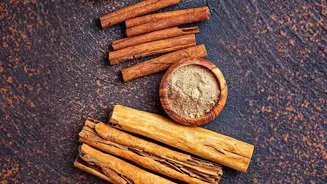
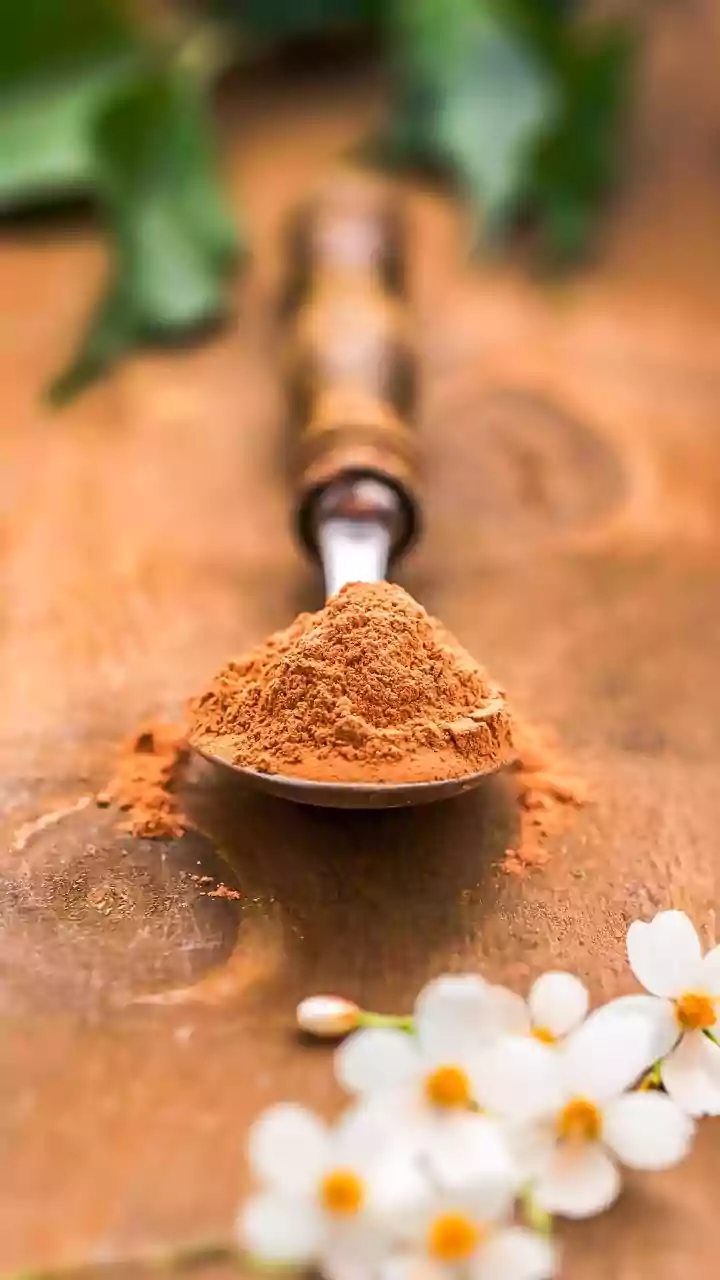
When you buy whole cinnamon sticks, or quills, telling the two apart is straightforward. Cassia sticks are dark reddish-brown, thick, and form a single, hollow curl of bark. They are notoriously hard and woody, often requiring a powerful grinder to break down. Ceylon cinnamon sticks are a pale tan-brown and are composed of many paper-thin layers of bark rolled together, resembling a tightly packed cigar. These quills are soft, brittle, and can be easily crumbled by hand, a testament to their more delicate nature. In powdered form, however, visual identification is nearly impossible, making it crucial to read the label.
The Health Factor: A Question of Coumarin
Beyond taste, the most significant difference between the two lies in a natural compound called coumarin. While present in many plants, high doses of coumarin have been linked to potential liver damage in sensitive individuals. Cassia cinnamon contains high levels of coumarin, sometimes as much as 1%. In contrast, Ceylon cinnamon contains only trace amounts, often 250 times less than its Cassia counterpart. For occasional use in cooking, Cassia is generally considered safe. However, for those who consume cinnamon daily for health purposes or in large quantities, Ceylon is widely recommended as the safer choice to avoid exceeding the tolerable daily intake of coumarin.
In the Kitchen: The Right Spice for the Job
Choosing the right cinnamon depends entirely on the dish. The powerful, spicy kick of Cassia is perfect for robust recipes where it needs to stand up to other strong flavours. It’s the ideal choice for rich curries, garam masala blends, biryanis, and bold baked goods like cinnamon rolls where you want an assertive flavour punch. Ceylon cinnamon's delicate and floral sweetness shines in preparations where subtlety is key. Use it in desserts like kheer, custards, and panna cotta, or to gently infuse flavour into beverages like tea, coffee, and milk. Its mildness complements other ingredients without overpowering them, adding a sophisticated warmth.