
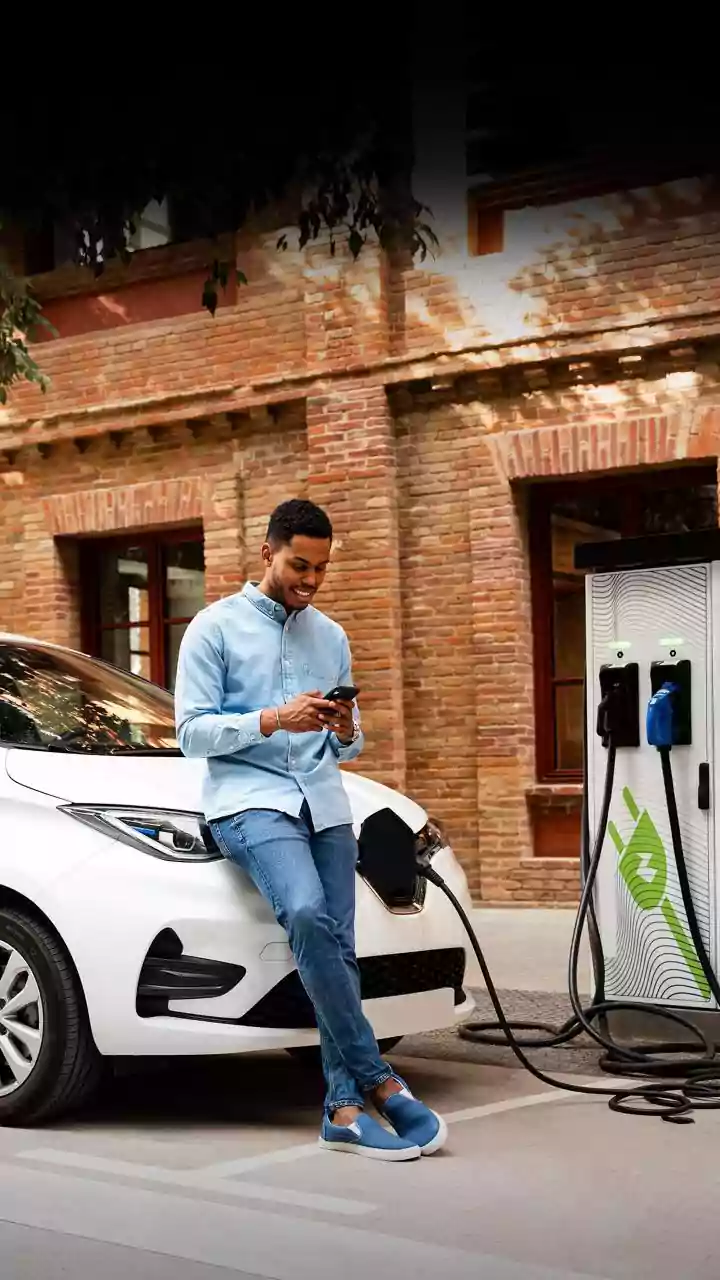




India's electric vehicle market just sent a powerful signal. This October saw a massive 76% jump in electric car sales compared to last year, proving that the EV wave is getting stronger despite a slight dip from the previous month.
A Staggering Year-Over-Year Leap
The numbers for October
2026 are in, and they paint a vivid picture of a market in transition. According to retail data from the Federation of Automobile Dealers Associations (FADA), India registered 37,049 electric passenger vehicles. This represents a staggering 76.47% increase from the 20,995 units sold in October 2025. While sales saw a minor dip compared to September 2026, the year-on-year story is one of explosive growth. This performance is even more impressive when set against the backdrop of the broader passenger vehicle market, which actually saw a retail sales decline. The surge pushed the market share of EVs in total car sales to 7.3%, more than double the 3.5% share they held in October last year.
The Leaders Of The Pack
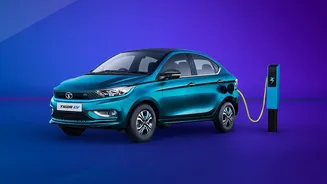
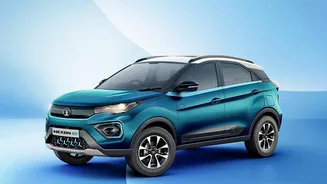
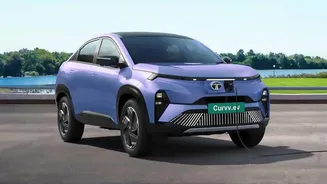
Tata Motors continues to hold the crown in India's EV space, accounting for nearly 40% of the market with 14,669 units sold in October. This figure marks an impressive 77.6% growth over the same month last year. However, the competition is heating up. Mahindra & Mahindra secured a strong second place with 8,538 units, showcasing a remarkable 85.7% year-on-year growth and signalling its strengthening position. JSW MG Motor India rounded out the top three, registering 5,939 units. Together, these three domestic and international powerhouses commanded nearly 79% of the entire electric car market in October.
A Tale of Two Octobers
Comparing October 2026 with October 2025 reveals just how quickly the landscape is changing. A year ago, the EV market was still considered a niche segment with just under 21,000 units sold. The conversation was dominated by early adopters and a limited number of models. Fast forward to today, and the market has not only grown in volume but also in diversity and competitiveness. Newer entrants like VinFast have made a significant impact, recording 2,571 registrations and demonstrating rapid scaling. Meanwhile, established players like Kia and Maruti Suzuki have also crossed the 1,000-unit mark for the month, adding more depth to the market. The doubling of market share from 3.5% to 7.3% in just twelve months underscores a fundamental shift in consumer preference and acceptance.
What's Fuelling The Surge?
Several factors are contributing to this accelerated adoption. Government initiatives, including subsidies and incentives under policies like the PM E-DRIVE scheme, have been crucial in making EVs more affordable and accessible. The expansion of charging infrastructure, though still a work in progress, is helping to alleviate 'range anxiety' for many potential buyers. Furthermore, automakers are launching a wider array of electric models across different price points, from affordable hatchbacks to premium SUVs, giving consumers more choice than ever before. Rising fuel costs for traditional petrol and diesel vehicles have also made the total cost of ownership for an EV increasingly attractive to Indian households. While the festive season buying rush was somewhat split between October and November this year, the underlying momentum for EVs is undeniable.