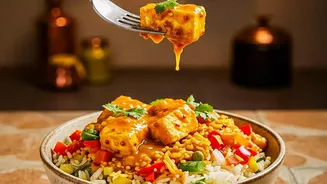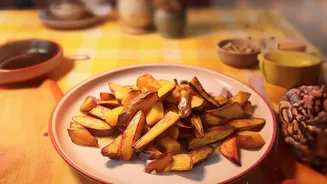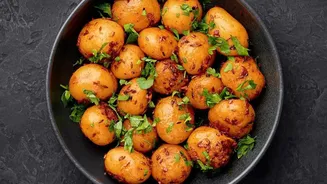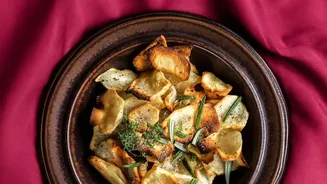


The Magic in the Contrast
Why are we so obsessed with this specific combination? It’s a sensory delight. The audible crunch of the exterior primes our taste buds for the comforting softness within. This textural duality—crisp and yielding, salty and earthy—is what elevates the humble
potato from a simple side dish to a memorable centrepiece. Achieving it isn't about luck; it's about technique. By understanding a few key principles, you can consistently replicate this culinary magic in your own kitchen, turning an everyday ingredient into something truly special.
Choose Your Champion Potato
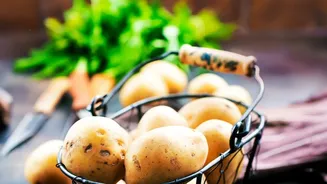
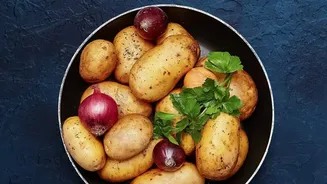
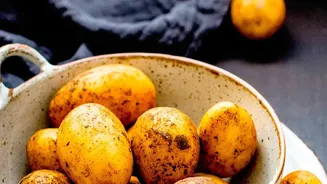
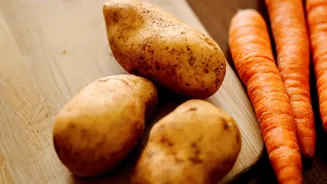
Not all potatoes are created equal, and your choice is the first step toward success. For that ideal fluffy interior and crisp crust, you need a potato with a high starch content. Russet potatoes are an excellent choice; their low moisture and high starch content lead to a fluffy, floury texture when cooked. Yukon Golds are another fantastic all-purpose option, offering a slightly creamier, more buttery interior while still being starchy enough to develop a good crust. Waxy potatoes, such as red potatoes, are lower in starch and higher in moisture. While delicious in stews or potato salads where they need to hold their shape, they tend to produce a denser, less fluffy result when roasted.
Mastering the Crisping Code
The secret to an unbeatable crisp edge lies in a few simple but non-negotiable steps. First, parboiling is essential. Boiling your cut potatoes in salted water for about 8-10 minutes tenderises the inside and starts to break down the exterior starches. Some chefs even add a pinch of baking soda to the water to make it more alkaline, which helps break down the potato's surface for maximum roughness. After boiling, drain the potatoes and let them steam-dry completely. A dry surface is crucial for crisping. Once dry, give the colander a good shake to rough up the edges; these nooks and crannies will become wonderfully crunchy bits. Finally, roast them in a preheated pan with hot fat at a high temperature, around 220°C (425°F). This ensures the exterior begins to fry immediately, creating that coveted golden shell.
An Aromatic Alliance of Herbs
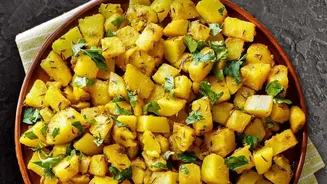
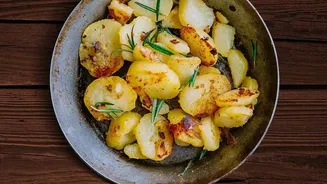
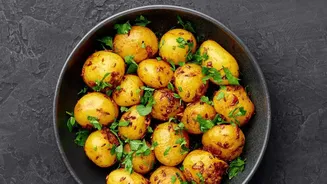
Herbs are the potato's best friend, infusing flavour and visual appeal. The key is knowing which herbs to use and when to add them. Hardy, woody herbs like rosemary and thyme are robust enough to be added along with the oil before roasting. Their flavours will mellow and infuse the fat as the potatoes cook. You can also add whole, unpeeled garlic cloves to the pan for a sweet, roasted garlic flavour. More delicate, leafy herbs like parsley, chives, dill, and cilantro should be treated differently. Their fresh, bright notes would be lost in the high heat of the oven. Instead, toss them with the hot potatoes right after they come out of the oven. The residual heat will gently wilt the herbs, releasing their vibrant aroma without destroying their flavour.
Two Methods to Try
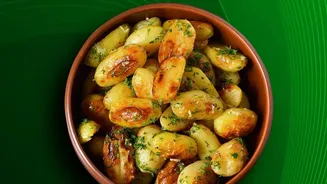
To put these principles into practice, here are two methods that deliver exceptional results. First, the Crispy Smashed Potato: boil small baby potatoes until tender, then place them on a baking sheet and gently 'smash' them with the bottom of a glass to about a half-inch thickness. Drizzle generously with oil, season, and roast at high heat until the edges are deeply golden and crisp. For a more elegant approach, try Fondant Potatoes. Cut larger, starchy potatoes into uniform cylinders. Sear them in a hot, oven-safe pan with oil until both flat sides are a deep golden brown. Then, add butter, hardy herbs like thyme, and stock to the pan until it comes halfway up the potatoes. Transfer the pan to the oven to finish cooking. The bottom of the potato braises in the flavourful liquid, becoming incredibly tender, while the top remains crisp.