





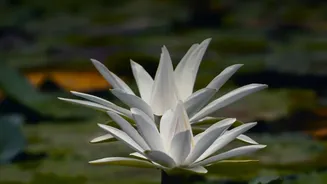

From Paddy Fields to Pink Blooms
For generations, the fields around Uliyaragoli village in Udupi’s Kapu taluk have been synonymous with paddy cultivation. But for Manohar Shetty, a local farmer, the tradition was becoming unsustainable. Irregular rainfall, persistent labour shortages,
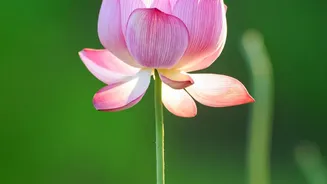
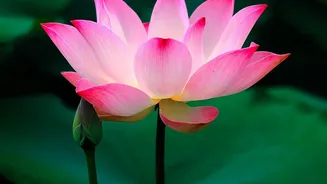
and the ever-increasing costs of cultivation meant that his 15-acre rice farm was consistently posting losses. Instead of surrendering to the circumstances, Shetty looked for an alternative, and found it in the serene and sacred lotus flower. His decision to pivot from grain to bloom has since blossomed into a remarkable success story for the entire region.
The Seed of a New Idea
The inspiration didn't come from thin air. Shetty had read about farmers in other parts of Karnataka, like Mandya and Mysuru, who had found success with commercial lotus farming. Intrigued, he dedicated nearly three months to studying the crop, understanding its lifecycle, market demand, and cultivation requirements. He learned which varieties would thrive in the coastal climate and the economics of selling the flowers, which are in constant demand for religious ceremonies and decorations. Convinced by his research, he decided to take a calculated risk, starting with a small trial on his own land. The initial success of this experiment gave him the confidence to go all in, converting a significant portion of his struggling paddy field into a dedicated lotus pond.
Cultivating Success Organically
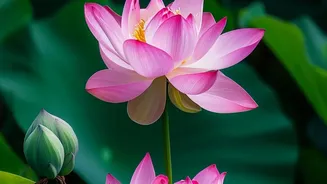
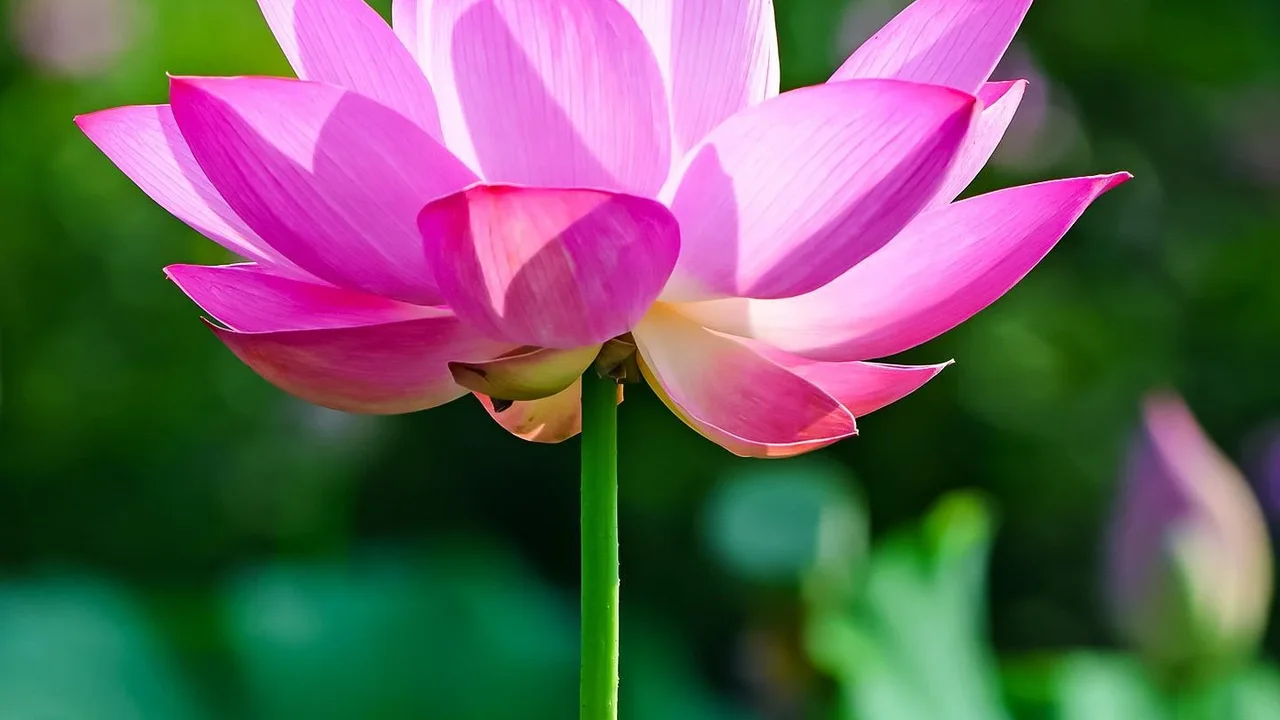
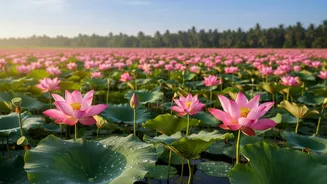
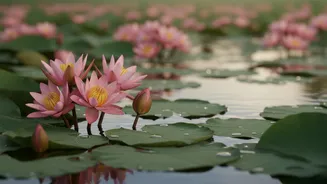
Today, three acres of Shetty’s land are covered in a breathtaking expanse of lotus flowers. He has chosen varieties specifically suited for the coastal climate, including Pink Cloud, White Peony, and Bucha. The cultivation process itself is a blend of traditional knowledge and meticulous planning. The land is first ploughed and enriched with farmyard manure before being flooded to maintain a constant knee-deep water level. Importantly, Shetty committed to organic farming from the outset. Instead of chemical pesticides, which could harm the delicate ecosystem of the pond, he uses natural, neem-based products for pest control. After the initial planting, the first flowers bloomed in about 90 days, transforming the field into a sea of tranquil beauty.
A Blooming Business Model
The venture has proven to be not just beautiful, but also highly profitable. For the past two months, Shetty's farm has been yielding a harvest of 400 to 500 lotus flowers every single day. With each flower fetching around ₹15 in the market, the farm generates a monthly income that can reach up to ₹1 lakh—a significant turnaround from the losses incurred during his paddy farming days. The demand is steady and reliable. His flowers are supplied to prominent temples in the region, including the famous Kollur Mookambika Temple, as well as smaller temples in Ucchila and Kapu. Flower traders from Udupi and surrounding areas also buy the blooms directly from his farm, ensuring a consistent revenue stream.