






The Government’s Green Light
The government's vision is clear: reduce India's massive oil import bill, support the agricultural sector through ethanol procurement, and cut down on vehicular pollution. Policies have been fast-tracked, with the nationwide rollout of 20% ethanol-blended
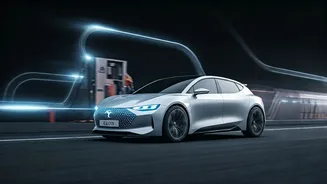
petrol (E20) achieved ahead of schedule and regulations now approved for higher blends like E85 and even pure E100. Automakers have been encouraged to produce FFVs, which are designed to run on a mix of petrol and ethanol, and several prototypes and models have been showcased by major players like Maruti Suzuki, Toyota, and Hero MotoCorp. On paper, it's a win-win strategy that extends the life of the internal combustion engine while making it greener.
The Consumer Conundrum
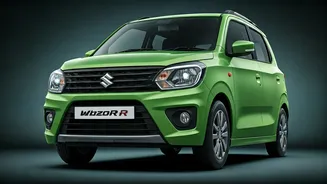
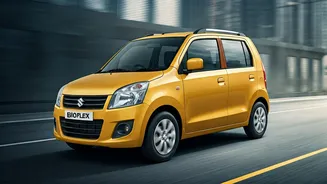
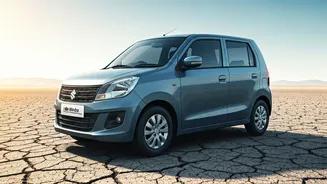
The most significant hurdle is the Indian consumer, who remains largely unconvinced. The first barrier is cost. FFVs are more expensive to buy than their conventional petrol counterparts due to necessary modifications in the engine and fuel system. For example, the flex-fuel version of the Maruti WagonR is reportedly priced significantly higher than the standard model. Secondly, there's the issue of mileage. Ethanol has a lower energy density than petrol, which means vehicles running on higher ethanol blends consume more fuel. Real-world tests have shown a significant drop in fuel efficiency—as much as 43% when switching from E20 to E85—which can negate the lower per-litre cost of the fuel. For the average Indian buyer, for whom the total cost of ownership is paramount, this makes the economic proposition of FFVs highly questionable at current prices.
The Chicken-and-Egg Infrastructure Problem
For flex-fuel to work, the fuel itself must be widely and reliably available. This is where the classic chicken-and-egg problem comes into play. Fuel companies are hesitant to invest heavily in building a nationwide network of E85 pumps without a critical mass of FFVs on the road. Conversely, customers will not buy FFVs if they can't find fuel for them conveniently. As of mid-2026, E85 fuel is only available at a handful of outlets, mostly in major cities like Delhi. The government has plans to expand this to 5,000 stations by 2027, but this is a daunting task. Until then, FFV owners are left with a vehicle whose primary feature they cannot use, forcing them to run on standard, more expensive E20 petrol.
An Unproven Market
Early sales figures paint a bleak picture. Despite the policy push, demand for the first wave of FFVs has been almost non-existent. Reports indicate that Maruti Suzuki, a market leader, sold only three units of its flex-fuel WagonR in the initial period after its launch. This isn't just a slow start; it's a market signal that the foundational elements for adoption are missing. Automakers are treading cautiously, aware that engineering is no longer the main challenge—consumer confidence is. Many in the industry feel that India is trying to compress a behavioral transition that took countries like Brazil decades into just a few years, without laying the necessary groundwork.