






The Nutritional Power of Saag
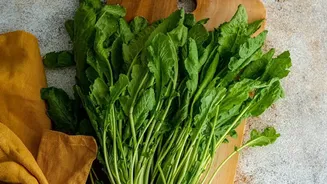
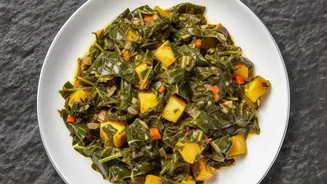
The word 'saag' simply refers to leafy greens, and the dish is a celebration of this fact. Traditionally made from a mix of mustard greens (sarson), spinach (palak), and other greens like bathua, saag is a treasure trove of nutrients. These greens are
dense with vitamins A, C, and K, which are crucial for immune function, skin health, and bone health. They are also a good source of essential minerals like calcium, iron, and potassium. A 100-gram serving of saag provides a moderate amount of protein and is rich in dietary fibre, which aids digestion and promotes a feeling of fullness.
Does Cooking Diminish Nutrients?
A common concern is whether cooking leafy greens destroys their nutritional value. The answer is complex but largely reassuring. While some water-soluble vitamins like Vitamin C can be slightly reduced by heat, cooking actually enhances the bioavailability of other key nutrients. For instance, the body can absorb more calcium and iron from cooked spinach than from raw spinach because cooking breaks down compounds called oxalates that inhibit absorption. Similarly, cooking helps release antioxidants like beta-carotene, making them easier for your body to use.
Creating a Balanced Meal
While saag is incredibly nutritious on its own, it is not a complete meal. A typical serving is low in calories and contains only a moderate amount of protein, around 3 grams per 100g. To transform saag into a balanced vegetarian meal, it needs to be paired strategically with adequate protein and complex carbohydrates. Many traditional Indian vegetarian meals can be carbohydrate-heavy, so a conscious effort to add a protein anchor is key for a well-rounded diet.
Smart Protein Pairings
The most common way to boost the protein content is by adding paneer, creating the beloved dish Saag Paneer. The firm, mild cheese cubes not only add a wonderful texture but also significantly increase the protein count. For a plant-based vegan option, firm tofu is an excellent substitute for paneer. Another simple and effective method is to stir in cooked chickpeas (chole) or other legumes into the saag, which adds both protein and fibre. Some modern, protein-focused recipes even suggest blending cottage cheese into the saag base for a creamy, high-protein finish without altering the taste significantly.
Choosing Your Carbohydrates
The classic partner for Sarson da Saag is Makki di Roti, a flatbread made from maize flour. While delicious, you can also pair saag with other whole grains for a varied nutritional profile. Whole wheat chapatis, brown rice, or even millets like jowar roti or quinoa can serve as a healthy carbohydrate base. These options provide sustained energy and additional fibre, complementing the saag to create a truly complete and satisfying meal.
Tips for Healthier Preparation
To maximise the health benefits of your saag, consider a few simple cooking tips. While traditional recipes use a generous amount of ghee or butter, which helps in the absorption of fat-soluble vitamins, you can use it moderately. Adding a source of Vitamin C, such as a squeeze of lemon juice or cooking the greens with tomatoes, is a brilliant traditional technique that dramatically improves the absorption of iron from the leafy greens. Finally, avoid overcooking the greens to retain as many heat-sensitive nutrients as possible. A gentle simmer is all that is needed to achieve that perfect, creamy consistency.