





The Soul of the Feast: Bhog Khichuri
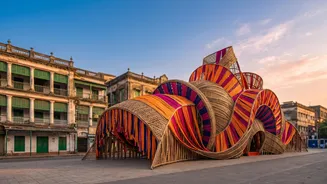
The devotional heart of Puja feasting is the bhog, a sacred offering made to the goddess before being distributed to devotees. It’s a symbol of community and faith, served in sprawling pandal queues. The star of this vegetarian meal is the Bhoger Khichuri,
a fragrant, mushy preparation of Gobindobhog rice and roasted sona moong dal, cooked without onions or garlic. This is typically served with labra, a sublime mixed-vegetable dish seasoned with panch phoron (a five-spice blend), and accompanied by sides like beguni (fried eggplant fritters) and a sweet tomato chutney. This meal is more than just sustenance; it’s prasad, a blessed offering that embodies the spirit of togetherness and pious celebration that sits at the festival’s core.
The Pandal-Hopper’s Fuel: A Street Food Frenzy
Once dusk falls, the devotional calm of the bhog gives way to the electric chaos of street-side feasting. The lanes around the pandals become a vibrant, open-air food court. Here, the food is fast, fried, and full of flavour—the perfect fuel for a long night of pandal-hopping. Phuchka, Kolkata’s iconic version of pani puri, is a non-negotiable stop for its explosive mix of tangy, spicy, and savoury flavours. Equally essential are the city’s famous rolls—flaky parathas wrapped around fillings of egg, chicken, or mutton, seasoned with sauces and onions. Other beloved snacks include ghugni, a hearty yellow pea curry, and various deep-fried chops and cutlets made from vegetables, fish, or mutton, often served with the pungent kick of kasundi mustard.
An Affair of Sweet Nothings
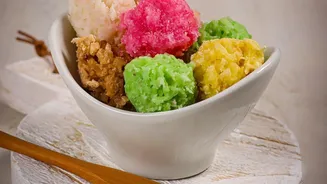
No Bengali celebration is complete without mishti (sweets), and Durga Puja is the grandest stage for this obsession. Sweet shops work overtime, their display cases groaning under the weight of classics like the spongy rosogolla and the delicate sandesh, made from fresh cottage cheese. Mishti doi, a sweet, fermented yoghurt with a caramelised flavour, is another essential indulgence. These sweets are not just for personal consumption; they are integral to the social fabric of the festival, exchanged as gifts between friends and family, and serving as the perfect, sweet conclusion to a night of revelry.
The Modern Ritual: Biryani and Restaurant Dining
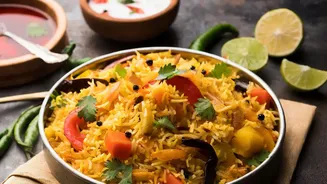
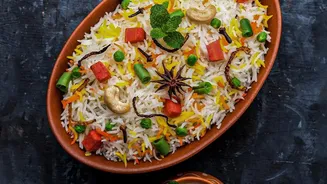
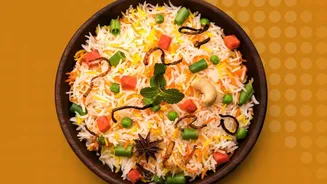
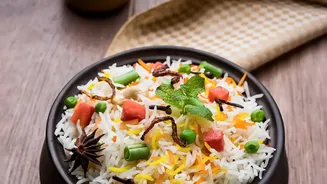
In recent decades, a new tradition has firmly embedded itself into the Puja experience: dining out. Restaurants across Kolkata offer special Puja menus and buffets, staying open late into the night to cater to the festive crowds. At the center of this modern ritual is the Kolkata-style biryani. Characterised by its subtle aroma, long-grained rice, succulent meat, and the all-important slow-cooked potato, a plate of biryani has become a quintessential Pujo meal, particularly on Navami. This shift towards restaurant dining, where biryani, kebabs, and even Chinese dishes are sought after, highlights a significant evolution. The feast has expanded beyond the pandal, becoming a city-wide gastronomic event that stands on its own.
A Feast Beyond Faith
While the Durga Puja remains a deeply religious occasion, its culinary landscape has blossomed into a cultural phenomenon that transcends devotional boundaries. The food trail is a journey in itself, starting with the sacred, community-focused bhog and meandering through the secular, carnival-like atmosphere of street stalls and the commercial buzz of restaurants. The sheer scale and variety—from the sattvik purity of khichuri to the rich indulgence of kosha mangsho and biryani—demonstrate that the food of Pujo is a celebration for everyone. It has become a unifying force, an essential part of the city’s identity during the festival that is celebrated with equal fervour by the devout and the epicurean alike.