






Nolen Gurer Payesh
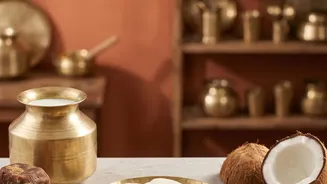
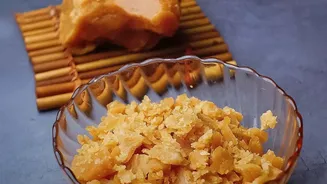
This iconic Bengali rice pudding is a winter delicacy for a reason. It is defined by its star ingredient: Nolen Gur, or date palm jaggery. Unlike sugarcane jaggery, Nolen Gur has a unique, almost smoky aroma and a flavour reminiscent of melted chocolate
and caramel. When slow-cooked with fragrant Gobindobhog rice and full-fat milk, the jaggery doesn't just sweeten the payesh; it transforms it. The process involves carefully adding the jaggery after the milk has thickened and cooled slightly to prevent splitting, ensuring a creamy, seamless texture. The resulting dessert is luxuriously rich, with a deep, nuanced sweetness that is both comforting and complex.
Pasi Paruppu Payasam
A staple in South Indian households, particularly during festivals, Pasi Paruppu Payasam showcases the beautiful pairing of lentils and jaggery. This kheer is made with moong dal that is first dry-roasted to bring out its nutty aroma. The dal is then cooked until soft and mashed before jaggery is introduced. The dark, earthy sweetness of the jaggery syrup complements the subtle, savoury notes of the moong dal perfectly. Often finished with coconut milk, cardamom, and ghee-roasted cashews, the jaggery provides a robust flavour foundation that refined sugar would wash out, lending the payasam its signature dark colour and wholesome, satisfying taste.
Til Ke Ladoo
A quintessential winter sweet, especially popular during Makar Sankranti, Til Ke Ladoo is a testament to simple, powerful flavours. The recipe combines roasted sesame seeds (til) with melted jaggery (gud) to form small, energy-packed spheres. The nuttiness of the toasted sesame seeds finds its perfect match in the deep, molasses-like notes of the jaggery. Jaggery acts as more than just a sweetener here; it's a binding agent that provides a satisfyingly chewy texture. The slightly bitter notes of the sesame are beautifully balanced by the jaggery’s complex sweetness, creating a ladoo that is warming, nutritious, and deeply traditional.
Patishapta Pitha
Another beloved Bengali creation, Patishapta is a delicate crepe rolled around a sweet filling. While the crepe itself is often lightly sweetened, the heart of the dish is its filling, traditionally made from freshly grated coconut and jaggery. This mixture is cooked down until it becomes a sticky, fragrant delight. The jaggery melts and caramelises, coating the coconut in a fudgy layer of rich, earthy sweetness that contrasts beautifully with the soft, pliable crepe made from rice flour, semolina, and maida. Using jaggery instead of sugar in the filling adds a deeper colour and a more intense, traditional flavour that is simply irreplaceable.
Unniyappam
Hailing from Kerala, Unniyappam are small, deep-fried rice flour cakes that are a popular temple offering and snack. Their characteristic dark brown hue and rich flavour are derived from jaggery. The batter is a mix of rice flour, mashed ripe bananas, and a melted jaggery syrup, often enhanced with cardamom, sesame seeds, and pieces of coconut fried in ghee. The jaggery not only provides sweetness but also reacts with the other ingredients during fermentation and frying to create a soft, spongy interior and a slightly crisp exterior. Its robust flavour pairs wonderfully with the fruitiness of the banana, making each bite a rich and satisfying experience.