









What Exactly Is Green Exercise?
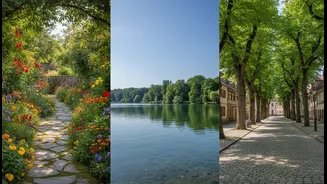
At its core, green exercise is any physical activity performed in a natural environment. This isn't about extreme sports or scaling a mountain, though it certainly can be. It’s as simple as taking a walk in a local park, jogging along a lake, cycling
down a tree-lined street, or even gardening in your backyard. The key ingredients are movement and nature. The combination of these two elements is what makes green exercise a uniquely powerful tool for well-being, offering more than what four walls and a machine can provide. Research suggests that this blend has a synergistic effect, where the benefits of exercise and the restorative qualities of nature amplify each other.
A Powerful Boost for Your Mental Health
One of the most significant advantages of green exercise is its profound impact on mental well-being. Studies have consistently shown that exercising outdoors is more effective at reducing stress, anxiety, and depression than indoor workouts. Exposure to natural environments helps lower levels of cortisol, the body's primary stress hormone. This can lead to a calmer state, improved mood, and enhanced self-esteem, with some research indicating that the positive effects can be felt within the first five minutes of the activity. This phenomenon is partly explained by 'Attention Restoration Theory,' which posits that natural environments allow our minds to recover from the mental fatigue of daily life, improving focus and cognitive function.
Physical Perks Beyond the Gym
While the mental benefits are substantial, green exercise also offers distinct physical advantages. Natural terrain is often uneven and varied, which challenges a wider range of muscles and improves balance and endurance more than a flat, predictable gym floor. Factors like wind resistance can also increase the intensity of a workout, leading to enhanced calorie burn. Furthermore, spending time outdoors exposes you to sunlight, which helps the body produce Vitamin D, an essential nutrient for bone health and immune function. Just 15-20 minutes of sun exposure a few times a week can make a significant difference, though it's always wise to exercise in the early morning or evening and use sun protection.
Connecting Fitness with the Environment
Green exercise also fosters a deeper connection to the environment itself. One popular and growing trend in India is 'plogging'—a portmanteau of jogging and the Swedish phrase for 'pick up' (plocka upp). Popularised by figures like Ripu Daman Bevli, who is known as the Plogger of India, the movement combines fitness with environmental stewardship. As people run or walk, they pick up litter, directly contributing to the cleanliness of their communities. This activity, which aligns with national initiatives like the Swachh Bharat Mission, not only provides a great workout but also instills a sense of purpose and responsibility for our shared natural spaces.
Easy Ways to Get Started
Incorporating green exercise into your routine doesn't require a major lifestyle overhaul. You can start small and find activities that you genuinely enjoy, which increases the likelihood of sticking with it. Consider swapping one of your weekly gym sessions for a run in a nearby park. Explore local hiking trails on the weekend with friends or family. Try practicing yoga or simple bodyweight exercises in your garden or on a balcony with plants. Even daily activities, like walking to the grocery store or taking your pet for a walk, count. The goal is simply to move your body while consciously connecting with the natural world around you, whether it's an urban green space or a sprawling forest.