







The Foundation: Whole Grains
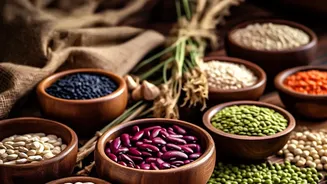
Whole grains are exactly what they sound like: the entire grain kernel, including the bran, germ, and endosperm. Think of whole wheat berries, brown rice, bajra, jowar, and ragi. Because all parts of the grain are intact, they are nutritional powerhouses.
They are packed with fibre, vitamins, minerals, and antioxidants that are often stripped away during processing. This high fibre content aids digestion, helps manage weight by keeping you feeling full for longer, and can help regulate blood sugar. Studies suggest that diets rich in whole grains may lower the risk of heart disease and certain cancers. The trade-off is effort. Whole grains often require soaking, longer cooking times, and sometimes grinding at home. However, they are typically the most economical option, especially when bought in bulk, and have a long shelf life if stored correctly in a cool, dry place.
The Middle Ground: Grain Flour
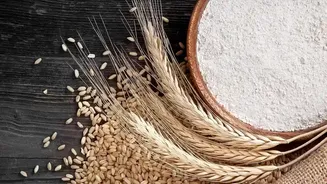
Grain flour, or atta, is the go-to for most Indian households for making rotis, parathas, and more. Its main advantage is convenience. The grinding is already done, making meal prep significantly faster. However, not all flours are created equal. Whole wheat atta, especially stone-ground (chakki) atta, retains the bran, germ, and endosperm, preserving much of the grain's natural fibre and nutrients. In contrast, refined flour, or maida, is made by removing the bran and germ, leaving only the starchy endosperm. This process strips away most of the fibre, vitamins, and minerals. While maida gives a softer, finer texture to baked goods like cakes and naan, whole wheat atta is the healthier choice for daily consumption due to its superior nutritional profile. Once a grain is milled, its nutrients begin to degrade due to exposure to oxygen and light, so freshness matters. For daily meals, choosing whole grain flour offers a good balance between nutrition and convenience.
The Timesaver: Ready-to-Cook Products
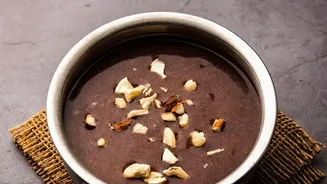
Ready-to-cook (RTC) products, such as packaged idli/dosa batter, frozen parathas, and instant upma mixes, offer the ultimate convenience. They slash preparation time, making them a blessing on busy days. The Indian market for these products is growing rapidly as lifestyles become more hectic. However, this convenience can come with nutritional compromises. Many RTC products are high in sodium, which is used as a preservative and flavour enhancer. They may also contain preservatives to extend shelf life and can be made from refined flours rather than whole grains, reducing their fibre content. While some brands are creating healthier options with fewer additives, it's crucial to read the ingredient label. These products are also generally more expensive than buying the raw ingredients. They are best viewed as an occasional solution for when time is extremely tight, rather than a daily staple.
How to Make Your Choice
The 'best' option depends entirely on your priorities for a given meal. Ask yourself these four questions:1. How much time do I have? If you have a few hours, cooking whole grains from scratch is rewarding. If you have 30 minutes, whole grain atta is your friend. If you have less than 10 minutes, an RTC product might save the day.2. What are my health goals? For maximum fibre and nutrients, whole grains are unbeatable. For a good daily balance, whole wheat atta is a solid choice. If you're managing health conditions sensitive to sodium or preservatives, you'll want to limit RTC foods.3. What is my budget? In terms of cost per serving, whole grains are the most budget-friendly, followed by flour. Ready-to-cook items are the most expensive due to the processing and packaging involved.4. How much control do I want? Cooking from scratch with whole grains or flour gives you complete control over ingredients, allowing you to avoid added salt, sugar, and preservatives. With RTC products, you are reliant on the manufacturer's formulation.