


Northern Fuel: The Griddle and the Fry
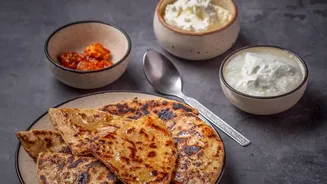
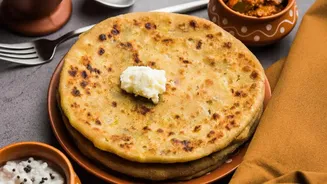
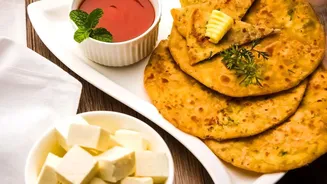
In the fertile plains of North India, breakfast is a hearty affair designed to provide lasting energy. This is the land of wheat, and its most famous morning export is the paratha. These stuffed flatbreads—filled with spiced potatoes (aloo), cauliflower
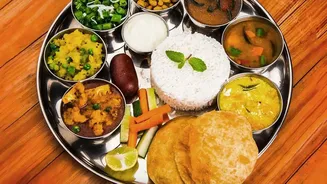
(gobi), or paneer—are cooked on a 'tawa', a flat or slightly concave griddle that is a fixture in nearly every Indian kitchen. The tawa’s design allows for quick, even heating, perfect for achieving the golden-brown, slightly crisp exterior of a paratha, often shallow-fried in ghee. Another popular dish, chole bhature, relies on a different vessel: the 'kadai'. This deep, wok-like pan is essential for deep-frying the fluffy bhature bread until it puffs up perfectly. The use of the tawa for pan-frying and the kadai for deep-frying shows how two core pieces of equipment produce vastly different textures from simple dough.
Southern Steam: Fermentation and Finesse
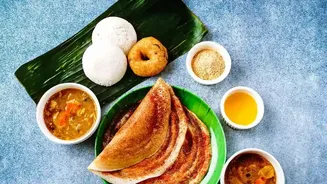
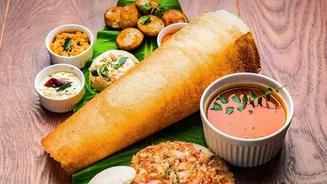
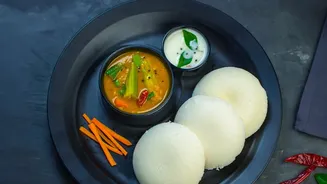
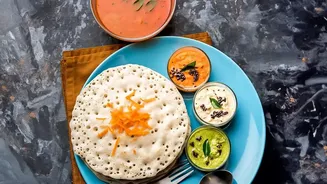
Travel south, and the breakfast landscape transforms. The hot, humid climate is ideal for fermenting batters of rice and lentils, which form the base of the region’s most famous dishes. Here, steaming takes centre stage. Idlis, soft and fluffy steamed rice cakes, are made in a special 'idli steamer', a tiered vessel that allows multiple cakes to be cooked at once with gentle, consistent heat. Dosas, their crispy counterparts, are made on a tawa, but the technique is different. A thin layer of the fermented batter is spread across a hot, often cast-iron, tawa to create a large, savoury crepe. Meanwhile, appams, bowl-shaped pancakes with a soft centre and lacey edges, require a specific small, deep pan called an 'appachatti' to achieve their signature shape. The focus here is on light, digestible meals, with the equipment—be it a steamer or a specialised pan—defining the final form.
Western Savoury Delights: Steamed and Stir-fried
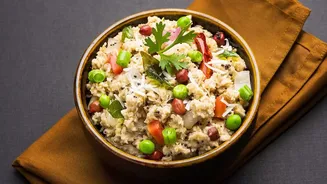
In Western India, particularly Gujarat and Maharashtra, breakfast often features gram flour and flattened rice. Dhokla, a spongy, savoury cake from Gujarat, is a prime example of steamed perfection. Made from a fermented batter of gram flour (besan), it's cooked in a tiered steamer similar to the one used for idlis, resulting in a light, airy texture. In contrast, Maharashtra’s beloved Kanda Batata Poha—flattened rice cooked with onions and potatoes—is a quick, stir-fried dish. This is prepared in a kadai, where the wide surface allows for quick tossing of ingredients with spices like turmeric and mustard seeds. Here again, the same piece of equipment, the kadai, is used not for deep-frying as in the north, but for a fast stir-fry, demonstrating its versatility.
Eastern Subtlety: Puffed Breads and Gentle Stews
In states like West Bengal, breakfast is often a more delicate affair. A classic Sunday morning treat is luchi with alur dom. Luchis are deep-fried, puffy breads made from refined flour, smaller and paler than their northern cousin, bhature. They are fried to a perfect puff in a kadai filled with hot oil or ghee. The accompanying alur dom, a slow-cooked potato curry, is also prepared in a kadai, where the spices are gently sautéed before the potatoes are added. This highlights the dual function of the kadai: as a vessel for both vigorous deep-frying and the slow simmering of a flavourful curry. The equipment remains the same, but the technique and timing create a completely different culinary experience.
The Pan That Unites a Nation
Across these diverse culinary regions, two pieces of equipment emerge as the unsung heroes of the Indian kitchen: the flat tawa and the deep kadai. The tawa is the platform for India’s vast array of flatbreads, from the hearty parathas of Punjab to the delicate dosas of Tamil Nadu. The kadai, with its curved, deep base, is a master of versatility. It is used for the deep-frying of breads like poori and bhature, the quick stir-frying of poha, and the slow simmering of curries and sabzis. The material—whether traditional cast iron, which offers excellent heat retention, or modern non-stick surfaces—also plays a role. Ultimately, the genius of Indian breakfast lies not just in its ingredients, but in the masterful use of these simple tools to roast, fry, steam, and stew, creating a unique morning identity for every region.