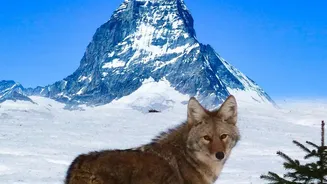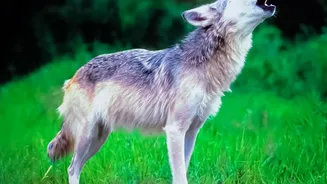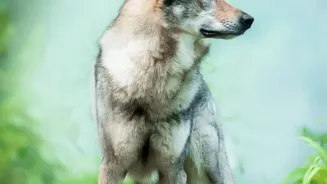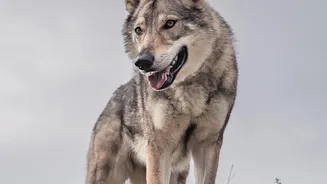




An Age-Old Conflict
For centuries, the relationship between humans and wolves has been fraught with tension. In rural and agricultural communities, wolves are often seen not as a symbol of the wild, but as a direct threat to livestock and, by extension, economic stability.
This conflict has historically led to aggressive population control and eradication campaigns. The core of the issue is economic: a wolf that preys on sheep or cattle represents a tangible loss for a farmer. This dynamic has made coexistence difficult, as the presence of wolves is often perceived as a liability with no upside for the local people who share their territory.
From Predator to Economic Partner
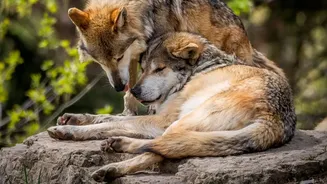
What if a living wolf could be more valuable to a community than a dead one? This is the central idea behind wolf-focused ecotourism. By creating experiences where travelers can see or learn about wolves in their natural habitat, communities can generate significant revenue. This income comes from guided tours, lodging, restaurants, and local crafts, creating a powerful economic incentive to protect wolf populations and their ecosystems. The logic is simple: when the local economy benefits directly from the presence of wolves, tolerance and even support for their conservation grows. This model reframes the wolf from a pest to a vital community asset.
Success Stories from the Wild
This isn't just a theory; it's working in practice. In America's Yellowstone National Park, the reintroduction of wolves in the 1990s has spawned a thriving tourism industry. Studies have shown that wolf-watching generates tens of millions of dollars for the gateway communities in Wyoming, Montana, and Idaho each year. This influx of cash, particularly during the slower shoulder seasons, supports local jobs and businesses. Similarly, in Spain’s Sierra de la Culebra region, tourism centered on the Iberian wolf is revitalizing rural areas that have faced economic decline. In these places, wildlife guides lead small groups on tracking expeditions, contributing to a local economy built on conservation rather than conflict.
What 'Responsible' Really Means
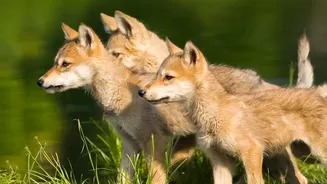
The key to this success is the word 'responsible'. This is not about creating a wildlife theme park. Responsible wolf tourism prioritizes the well-being of the animals and the integrity of their habitat. Operations are typically conducted in small, respectful groups led by knowledgeable guides. The primary rule is to observe from a distance and never disturb the animals, especially during pup-rearing season. Habituation to humans can be dangerous for both people and wolves, potentially leading to the very conflicts tourism aims to prevent. Furthermore, for the model to be truly sustainable, the economic benefits must flow directly to the local community, empowering them as the primary stewards of the landscape they share with the wolves. When done right, visitors get a profound educational experience, the community gains a sustainable industry, and the wolves are given the space to remain truly wild.