







The Quiet Reset of Slow Yoga
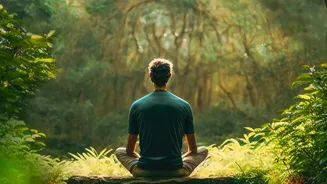
Slow-flow or restorative yoga offers a profound sense of calm by guiding the mind inward. This practice is less about athletic postures and more about mindful movement and breath. By holding gentle poses for longer periods, you activate the parasympathetic
nervous system, often called the 'rest and digest' system. This process actively counters the 'fight-or-flight' response that keeps many overworked minds in a state of chronic stress. The focus isn't on pushing your physical limits but on developing interoception—the awareness of your body's internal signals, like your heartbeat and breath. This heightened internal awareness helps to ground you in the present moment, pulling your focus away from the endless loop of anxieties and to-do lists that plague an exhausted mind.
Turning Inward to Recharge the Brain
For a brain that feels scattered and overwhelmed, the contained, focused nature of slow yoga can feel like a sanctuary. The practice has been shown to lower levels of the stress hormone cortisol while increasing beneficial brain chemicals that help decrease anxiety and improve mood. Studies have found that yoga can help make the brain more resilient, strengthening areas involved in memory, attention, and awareness. This isn't just about feeling relaxed; it's about fundamentally changing how the brain processes stress. By focusing on the singular task of a pose and the rhythm of your breath, you give your mind a break from multitasking. This quiet, deliberate practice provides a structured way to reduce the mental clutter and emotional reactivity that come with being overworked, fostering a sense of stability and control.
The Expansive Power of a Mountain Walk
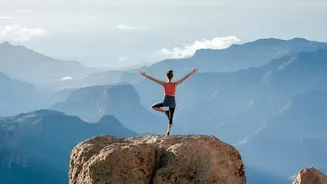
In contrast to the inward focus of yoga, a rugged mountain walk recharges the mind by drawing your attention outward. Hiking in nature reduces stress, calms anxiety, and can lead to a lower risk of depression. One of the key mechanisms at play is the experience of awe—the feeling you get when faced with something vast and magnificent, like a sweeping mountain vista. This sense of awe has a powerful psychological effect: it tends to make our own problems and worries feel smaller in comparison. Research shows that even brief moments of awe can increase feelings of happiness and connection. Instead of trying to quiet the mind through focused effort, a nature walk allows the brain to enter a state of 'soft fascination,' where attention is held gently by the environment without any mental strain.
Finding Perspective on the Trail
An overworked mind is often stuck in a cycle of rumination—repetitive negative thoughts about oneself. Studies have shown that walking in a natural environment decreases this rumination and reduces neural activity in the part of the brain linked to risk for mental illness. The physical act of walking releases endorphins, which improve mood, while the natural setting provides a restorative break from the overstimulating environments of daily life. This combination helps quiet the brain networks associated with self-focused thinking, promoting a calmer state of mind. A mountain walk doesn't just offer a change of scenery; it provides a shift in perspective, helping you feel connected to something larger than your immediate stressors.
Inward Calm or Outward Awe?
So, which practice is better for an overworked mind? The answer depends on what your mind needs at that moment. If you feel anxious, scattered, and ungrounded, the introspective and calming nature of slow yoga can provide a powerful anchor. It helps you tune into your body and quiet the mental noise from the inside out. On the other hand, if you feel stuck, bogged down by a persistent problem, or trapped in a negative thought spiral, the expansive, awe-inspiring experience of a mountain walk might be the solution. It pulls you out of your own head and offers a broader perspective that can make your troubles seem more manageable. Both paths lead to mental restoration; they just take different routes to get there.