





Deconstructing 'Tourist Pricing'
The idea of 'tourist pricing' isn't a myth, but it's often misunderstood. It refers to the premium you pay for convenience and location in high-traffic areas. A meal on a prime beachfront strip will cost more than the same dish a few blocks inland. This
isn't necessarily a scam; it's the economics of prime real estate. The key to managing your budget is knowing when you're paying for the view and when you can find better value by taking a short walk. In destinations like Cancún, Playa del Carmen, and Tulum, this difference can be significant. The same taco might cost $2 at a local spot in town and $8 at a beach club. Understanding this dynamic is the first step to smart spending.
The Riviera Maya: Cancún and Playa del Carmen
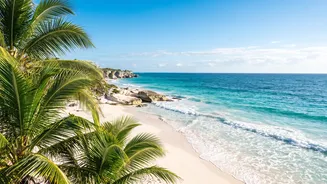
Cancún and its neighbour Playa del Carmen are the epicentre of tourism in the Yucatán Peninsula. A mid-range traveler can expect to spend around $135-$250 per day. In Cancún's Hotel Zone, a mid-range hotel might run $90-$150 per night, while a similar quality room in the more local 'El Centro' area could be $50-$75. A meal at a casual restaurant in a tourist-heavy area costs about $25-$50, but you can eat well at local spots for $8-$12. Guided tours to popular sites like Chichén Itzá generally range from $60 to $190, often including transport and lunch. Using the local R-1 bus in Cancún for about $1 per ride instead of taxis is a huge money-saver for getting around the Hotel Zone.
Tulum's Boho-Chic Price Tag
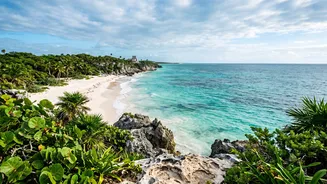
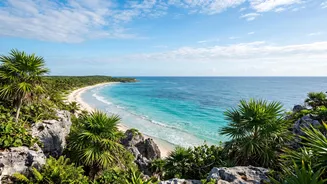
Tulum has a reputation for being expensive, and its trendy beach zone lives up to it. Here, cocktails can be $18, and boutique hotel rooms can easily command $300-$800 per night. However, the 'two Tulums' theory holds true. By staying in Tulum Pueblo (the town) instead of the beach road, accommodation costs can drop to $40-$150 per night for a comfortable hotel or Airbnb. A meal in the beach zone can cost $60-$120 per day, whereas eating in town can bring that down to $15-$25. Taxis are notoriously pricey, so renting a bicycle for around $10 a day is a popular and cost-effective way to get between the town, the ruins, and the public beaches. A mid-range daily budget in Tulum, with smart choices, lands around $100-$150 per person.
The Pacific Gem: Los Cabos
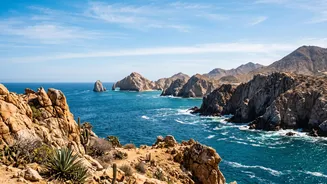
At the tip of the Baja California Peninsula, Los Cabos (comprising Cabo San Lucas and San José del Cabo) is known for luxury resorts and a vibrant marine life. It is generally considered one of Mexico's more expensive destinations. A mid-range trip here might average around $180-$230 per person, per day. While all-inclusive resorts are plentiful and can cost $200-$500 per night, more budget-conscious options like smaller hotels in downtown Cabo San Lucas can be found for $50-$80. Activities like a boat tour to the iconic Arch (El Arco) or a whale-watching excursion typically cost between $50 and $100. Dining can be pricey in the marina area, but like in the Riviera Maya, seeking out local taquerias can yield delicious fish tacos for just a few dollars.
How to Travel Smarter, Not Cheaper
You don't have to sacrifice experience to manage costs. Across all these hotspots, a few strategies consistently work. First, eat where the locals do. Venture a few blocks away from the main tourist thoroughfares. Second, use local transportation like colectivos (shared vans) or public buses where available. Third, always try to pay in Mexican pesos rather than US dollars, as the exchange rate offered by vendors is rarely in your favor. Finally, consider traveling in the shoulder seasons, such as May, September, or October. During these months, hotel rates can drop by 30–50% compared to the peak December–March period.