




Why Consistency Is the Real Superpower
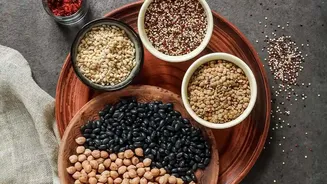
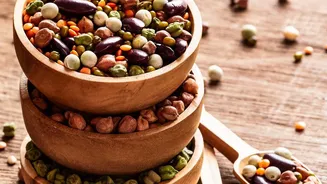
The health benefits of pulses—like beans, lentils, and chickpeas—are immense, but they are not a one-time fix. These benefits compound when they become a regular part of your diet. Pulses are packed with protein, fibre, and essential minerals like iron
and zinc. Regular consumption helps maintain stable blood sugar levels, promotes gut health, and keeps you feeling full for longer, which aids in weight management. The fibre in pulses is particularly effective at supporting digestive health and can help lower cholesterol. A steady intake ensures your body adapts and reaps these rewards long-term, rather than getting a sporadic, temporary boost. It’s the habit, not the single meal, that transforms your health.
The Beloved Lentil (Dal)
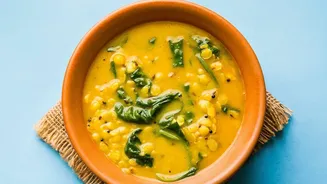
For many in India, dal is the ultimate comfort food, and for good reason. It's affordable, cooks quickly, and is incredibly nutritious. Varieties like masoor dal (red lentils), toor dal (pigeon peas), and moong dal (mung beans) are staples in countless kitchens. A single serving can provide a significant portion of your daily protein and fibre needs. For instance, most common dals offer about 20-25 grams of protein per 100g in their raw form. Red lentils (masoor) are praised for cooking quickly, making them perfect for a weeknight dal tadka. When paired with rice or roti, dal provides a more complete protein profile, making it a cornerstone of a balanced vegetarian diet.
The Versatile Chickpea (Chana)
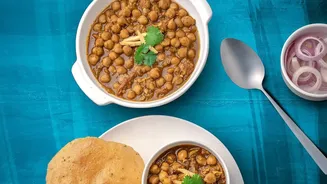
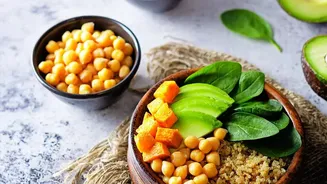
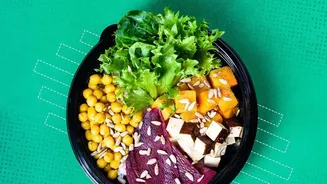
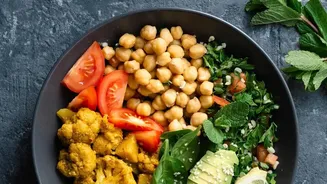
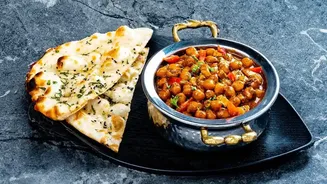
Chickpeas, or chana, are another pulse that shines with versatility. While chana masala is a celebrated classic, their use extends far beyond rich curries. Roasted chickpeas make for a crunchy, high-protein snack, while boiled ones can be tossed into salads for extra substance and texture. Blended into hummus, they become a creamy, satisfying dip that is perfect with fresh vegetables or whole-wheat pita. A cup of cooked chickpeas provides around 14.5 grams of protein and 12.5 grams of fibre, making them a filling addition to any meal. Their mild, nutty flavour allows them to be easily incorporated into everything from grain bowls to wraps, boosting the nutritional value effortlessly.
The Hearty Kidney Bean (Rajma)
Rajma is more than just a dish; it's an experience. Often associated with leisurely Sunday lunches, this North Indian favourite features kidney beans in a thick, aromatic gravy. Beyond its comforting taste, rajma is a nutritional heavyweight. A cup of cooked kidney beans offers about 15 grams of protein and 13 grams of fibre. They are also a good source of minerals like iron and manganese. Because they hold their shape well, kidney beans are fantastic in salads, chillies, and mixed vegetable curries. The key is finding a preparation you love, ensuring this nutrient-dense bean becomes a welcome guest at your dinner table.
Easy Ways to Eat More Pulses
Integrating more pulses into your diet doesn't have to be complicated. Start small and focus on meals you already enjoy. Add a can of chickpeas or a handful of lentils to your favourite soup or stew to bulk it up. Blend white beans into a smoothie for a creamy texture and a protein boost. You can even use pureed beans to replace some of the fat in baked goods like brownies. Try making simple patties or burgers from leftover cooked pulses. Even swapping half the meat in a recipe for lentils or beans can make a significant difference, adding fibre and nutrients while reducing saturated fat.