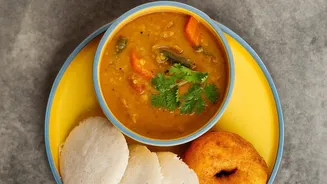

The Foundation: A Perfectly Soft Idli
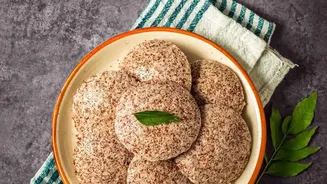
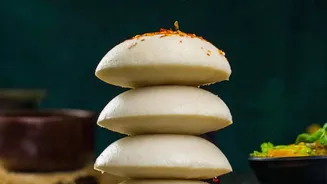
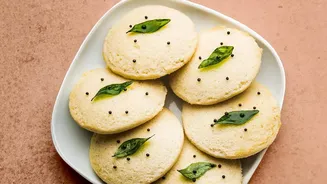
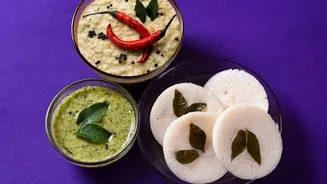
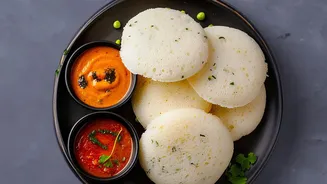
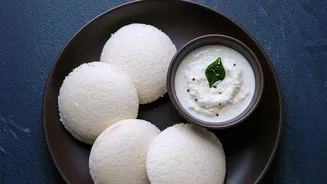
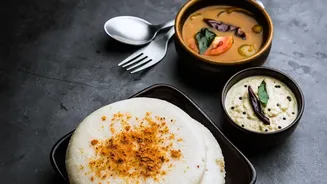
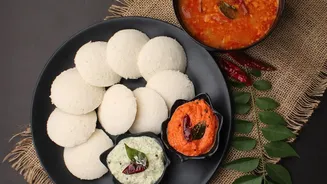
Before it meets the ghee and podi, the idli must be perfect on its own. The ultimate goal is a texture that is soft, spongy, and cloud-like. This is almost entirely dependent on a well-made, naturally fermented batter. The journey begins with the right
ingredients: idli rice (a short-grain parboiled rice) and whole, skinless urad dal are non-negotiable for the best results. While ratios vary, a common starting point is 4 parts rice to 1 part dal by volume. Many cooks also add a teaspoon of fenugreek seeds to aid fermentation and add a subtle flavour. The process involves soaking the rice and dal separately for at least 4-6 hours. The real magic, however, happens during grinding. Traditionally, a wet grinder is used because it aerates the urad dal batter into a light, fluffy consistency without generating heat, which can ruin the texture. If using a blender, grinding in batches with cold water can help prevent the batter from heating up. After grinding the dal and rice (separately is best), they are combined, often by hand, to introduce good bacteria and encourage a robust fermentation over 8-12 hours in a warm spot. A properly fermented batter will be visibly risen and bubbly, the key indicator of future softness.
The Soul: Crafting The Perfect 'Gunpowder'
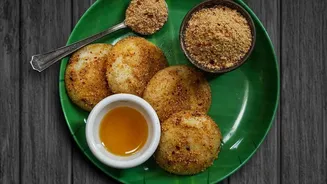
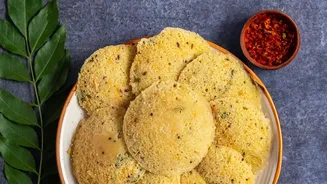
The 'podi' in ghee podi idli, often called 'gunpowder' or milagai podi, is the dish's flavour engine. This coarse, spicy powder is a blend of roasted lentils and spices that provides texture and an addictive, savoury heat. The traditional Tamil-style podi typically relies on a base of urad dal and chana dal (Bengal gram). These are dry-roasted separately in a heavy pan until they turn golden-brown and aromatic. The heat comes from dried red chillies, and many recipes recommend a mix of spicy and milder varieties (like Kashmiri) to achieve both heat and a vibrant colour. To this base, other ingredients are added for complexity. White sesame seeds lend a nutty depth and should be toasted carefully as they burn quickly. A pinch of asafoetida (hing) provides a foundational savoury, umami-like note. Some regional variations might also include curry leaves, cumin seeds, or even a small amount of grated dried coconut (copra). Once all the ingredients are roasted and cooled, they are ground into a powder that is typically coarse rather than perfectly fine, adding a pleasant textural contrast to the soft idli.
The Elixir: Why Ghee Is Non-Negotiable
Ghee, or clarified butter, is more than just a cooking medium here; it is the bridge that connects the mild idli to the fiery podi. When heated, ghee develops a unique nutty fragrance that is central to the dish's appeal. Its high smoke point makes it ideal for toasting the idlis without burning. As the podi is introduced, the ghee acts as a carrier, helping the spice blend to bloom and evenly coat every surface of the idli. This process transforms the dry, powdery podi into a rich, aromatic sauce that clings to the idlis. Beyond flavour, ghee adds essential moisture. A plain idli tossed in dry podi would be unpleasantly chalky. The generous drizzle of ghee ensures each bite is succulent and rich, balancing the dryness of the lentils and spices in the podi. While oil can be used, it doesn't provide the same characteristic flavour profile. For the most authentic and satisfying experience, a good quality ghee is essential.
The Art of Assembly: Bringing It All Together
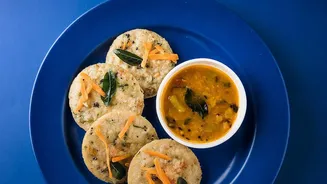
The final step is where the magic happens. While you can use regular idlis, mini idlis are often preferred as they offer a better ratio of spiced exterior to soft interior in every bite. If using leftover idlis from the fridge, it’s a good idea to steam them for a couple of minutes to soften them up first. The most common method involves heating a generous amount of ghee in a pan. Some cooks add a tempering of mustard seeds and curry leaves for an extra layer of flavour. Once the ghee is hot, the idlis are added and tossed until their edges become lightly golden and crisp. Finally, with the heat lowered, the podi is sprinkled generously over the idlis. The key is to toss everything gently but thoroughly, ensuring each idli is evenly coated in the ghee and spice mixture without breaking apart. The dish should be served immediately while warm, offering the perfect trifecta of a soft, pillowy centre, a slightly crisp edge, and a flavour-packed, spicy exterior.