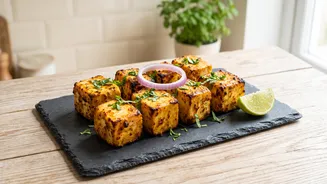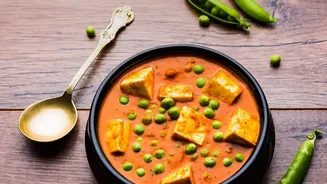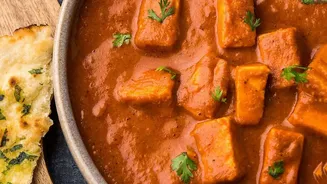








What Exactly Is FSSAI Proposing?
The Food Safety and Standards Authority of India (FSSAI) has released a draft amendment that gets straight to the point: the term 'paneer' should only be used for products made from milk. According to the proposal, any product made from ingredients not
derived from milk cannot be manufactured, marketed, or sold under the paneer name. This rule would apply to products already licensed under the 'Analogue in Dairy Context' category. These manufacturers would have to stop using the word 'paneer' on their packaging, in advertisements, and across all marketing materials. The goal, as stated by FSSAI, is to prevent consumers from being misled about what they are buying and to ensure food labels accurately reflect the product's composition.
Why Is This Happening Now?
This proposal didn't come out of nowhere. It follows growing concerns and actions taken at the state level regarding 'analogue paneer'. Analogue products are designed to mimic the taste, texture, and appearance of dairy items but often use cheaper ingredients like vegetable oils, starches, and plant proteins instead of milk solids. States like Maharashtra, Gujarat, and Karnataka have already initiated crackdowns on businesses selling these non-dairy alternatives as authentic paneer without clear disclosure. The FSSAI's move aims to create a uniform, nationwide standard, ensuring that when a consumer buys paneer, they are getting a product made from coagulated milk, as has been the tradition. The regulator is trying to protect both consumers and the integrity of genuine dairy producers.
The Rise of Non-Dairy Alternatives
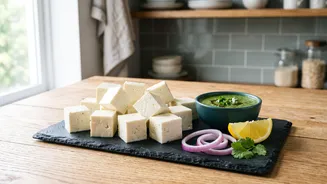
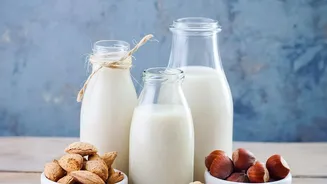
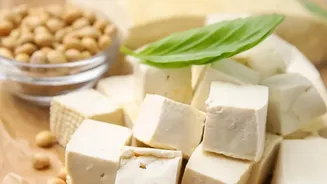
The debate is complicated by the fast-growing market for plant-based foods in India. For vegans, the lactose intolerant, or those seeking dietary variety, non-dairy paneer—often made from soy (tofu), nuts, or other plant sources—is a welcome innovation. These products are intentionally created to be dairy-free and cater to a specific consumer need. Companies in this space argue that using familiar terms helps consumers understand how to use these new products. The challenge highlighted in the FSSAI proposal is finding a balance. How can the authenticity of a traditional food like paneer be protected while also allowing for innovation in the plant-based sector without causing confusion?
What's in a Name?
If not paneer, then what? This is the central question for businesses producing non-dairy versions. The FSSAI's draft regulation puts the onus on them to find new, clear, and non-misleading names for their products. This isn't just a simple marketing tweak; it involves rebranding, creating new packaging, and re-educating consumers. The term 'analogue' itself, while technically correct, isn't very consumer-friendly. Businesses may need to get creative, potentially using descriptive names like 'Tofu Cubes' or 'Plant-Based Cooking Blocks'. The goal will be to develop a distinct identity that communicates the product's nature and use without borrowing from dairy terminology, a challenge that will significantly shape the future of this market segment.
What This Means for Your Next Grocery Run
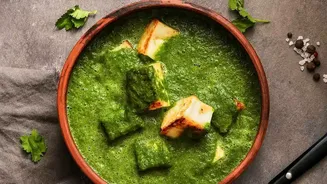
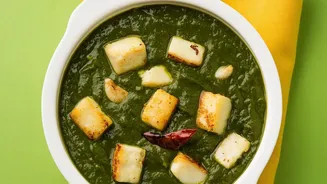
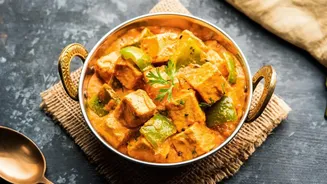
For now, the FSSAI's proposal is a draft, and the authority has invited suggestions from the public and stakeholders for 60 days before making a final decision. If the rule is finalized, you can expect to see clearer distinctions on store shelves and restaurant menus. The product you know as traditional paneer, rich in milk protein and fat, will be explicitly a dairy product. Alternatives will carry different names, helping you make a more informed choice based on your dietary preferences, whether they are for health, ethical, or nutritional reasons. This move is ultimately about transparency, ensuring the 'paneer' in your palak paneer is exactly what you expect it to be.