




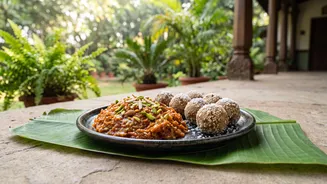


More Than Just Mustard Greens
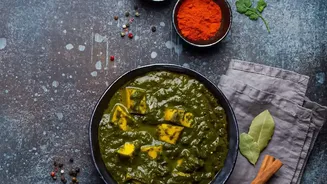
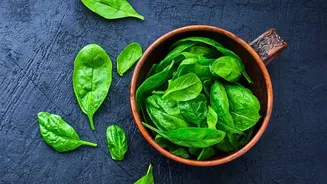
In India, 'saag' is a broad term for dishes made from leafy greens. While mustard greens (sarson) are famous, the category includes a wide array of vegetables used across different regions. Spinach (palak) is a national favourite, loved for its mild taste
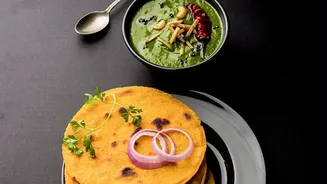
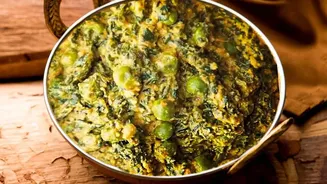
and versatility. Fenugreek leaves (methi), with their distinct bitter notes, are a staple in western India, often kneaded into the dough for 'thepla'. Amaranth leaves (chaulai or lal saag), available in both green and red varieties, are cooked from the Himalayan foothills to the southern coasts. Other popular greens include bathua (chenopodium), poi saag (Malabar spinach), and drumstick leaves (moringa), each bringing a unique texture and flavour profile to the Indian plate.
A Nutritional Powerhouse
Indian leafy greens are packed with essential nutrients that are vital for a healthy vegetarian diet. They are a fantastic source of vitamins A, C, and K, which are crucial for boosting immunity, maintaining good vision, and ensuring bone health. Greens like spinach, methi, and sarson are rich in iron, a mineral essential for preventing anaemia and maintaining energy levels. They are also loaded with dietary fibre, which aids digestion, promotes gut health, and helps you feel full for longer. Furthermore, these vegetables contain powerful antioxidants and phytonutrients that help protect the body from cellular damage and reduce inflammation.
Building a Balanced Vegetarian Thali
Incorporating saag is a cornerstone of creating a balanced vegetarian meal. A traditional Indian thali is designed to provide a complete nutritional profile. The leafy green dish (saag or sabzi) provides vitamins, minerals, and fibre. This should be paired with a protein source like dal (lentils) or paneer. A serving of carbohydrates, such as roti, paratha, or rice, provides sustained energy. Finally, a side of dahi (yoghurt) or raita offers probiotics for gut health and calcium. This combination ensures you get a mix of macronutrients (protein, carbs, fats) and micronutrients in a single, satisfying meal. A dollop of ghee on your saag not only enhances flavour but also helps the body absorb fat-soluble vitamins like A and K.
Easy Ways to Eat More Greens
You don't need to cook elaborate meals to enjoy the benefits of saag. One of the simplest methods is to finely chop the greens and add them to your everyday dal. Spinach, fenugreek, and amaranth leaves wilt quickly and blend beautifully into lentil dishes, boosting their nutritional value with minimal effort. Another easy trick is to knead chopped greens like methi or palak into the dough for rotis or parathas. This is a great way to get children to eat their greens without fuss. For a quick and healthy side dish, a simple stir-fry of any leafy green with garlic, chillies, and a pinch of turmeric is ready in under 10 minutes.
Beyond the Traditional Sabzi
Think beyond the usual preparations. Blend fresh spinach into your morning smoothie for a nutrient kick you won't even taste. Add a handful of chopped methi or palak to scrambled eggs or bhurji. Greens can also be snuck into savoury snacks like tikkis, patties, or cutlets, adding moisture and nutrients. You can even make flavourful chutneys by blending greens like coriander and mint. Exploring these creative uses makes it easy and exciting to make leafy greens a regular feature of your diet, ensuring your meals are not just tasty but also deeply nourishing.