







What’s In the Air You Breathe?
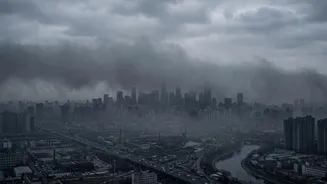
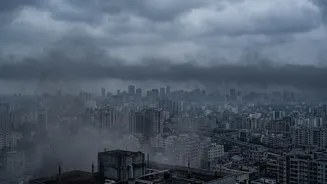
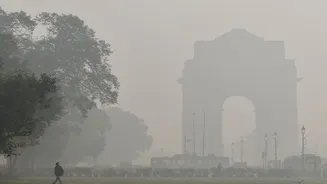
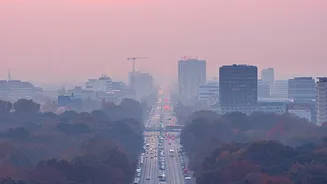
Delhi's winter smog is a toxic cocktail of pollutants. The most dangerous are fine particulate matter known as PM2.5 and PM10. These microscopic particles, originating from vehicle exhaust, industrial emissions, construction dust, and crop burning, are small
enough to penetrate deep into your respiratory system. The smog also contains harmful gases like nitrogen dioxide (NO₂), sulphur dioxide (SO₂), and ground-level ozone (O₃). Cold winter air traps these pollutants close to the ground, a phenomenon called temperature inversion, which is why air quality often plummets in the early morning.
How Smog Physically Harms Your Throat
That scratchy, painful sensation is your throat's reaction to a physical and chemical assault. The lining of your throat, or mucous membrane, is a delicate surface. When you inhale polluted air, jagged PM2.5 particles act like sandpaper, physically scratching the tissue. At the same time, gases like SO₂ and NO₂ dissolve in the throat's moisture, creating a mild acidic effect that further irritates the lining. This combined attack leads to inflammation, redness, and dryness, causing the distinct discomfort many feel during periods of high pollution.
Is It Pollution or a Cold?
It can be difficult to tell the difference. However, a pollution-induced sore throat typically involves a dry, scratchy feeling and a persistent cough or need to clear your throat. It may also be accompanied by irritation in the eyes and nose. A key indicator is the absence of a fever. Infections like the flu or a bacterial infection are more likely to cause high fever, body aches, and swollen glands. If your symptoms improve after staying indoors in a filtered-air environment, pollution is the likely culprit.
Immediate Steps for Soothing a Sore Throat
For quick relief from irritation, hydration is key. Drinking plenty of lukewarm water, herbal teas with ginger or honey, or clear soups helps keep the throat moist and can soothe discomfort. Gargling with warm salt water two to three times a day can also reduce inflammation and wash away some irritants. Sucking on sugarfree lozenges can stimulate saliva production, which helps keep the throat from feeling dry. Finally, inhaling steam, perhaps with a few drops of eucalyptus oil, can help moisturise your airways and provide temporary relief.
Long–Term Strategies for Protection
The best defence is to minimise your exposure. First, monitor the Air Quality Index (AQI) daily. On days with 'poor' to 'severe' air quality, limit time spent outdoors, especially strenuous activities like jogging. Morning walks are particularly dangerous as pollution is often at its worst between 5 a.m. and 8 a.m.. When you must go out, wear a well–fitting N95 or N99 mask, which can filter out fine particulate matter. At home, use an air purifier with a HEPA filter, especially in the bedroom, to create a clean air zone for sleeping. Keep windows and doors closed during peak pollution hours, typically opening them for ventilation in the late afternoon when AQI levels might be lower.
When You Must See a Doctor
While many cases of pollution–related throat irritation are temporary, some symptoms should not be ignored. You should seek medical advice if a sore throat persists for more than a week, is severe, or is accompanied by a high fever. More urgent warning signs include difficulty breathing, wheezing, chest tightness, or trouble swallowing. If you are gasping for air or cannot finish a sentence in one breath, seek emergency medical care immediately.