





A Tale of Two Odysseys
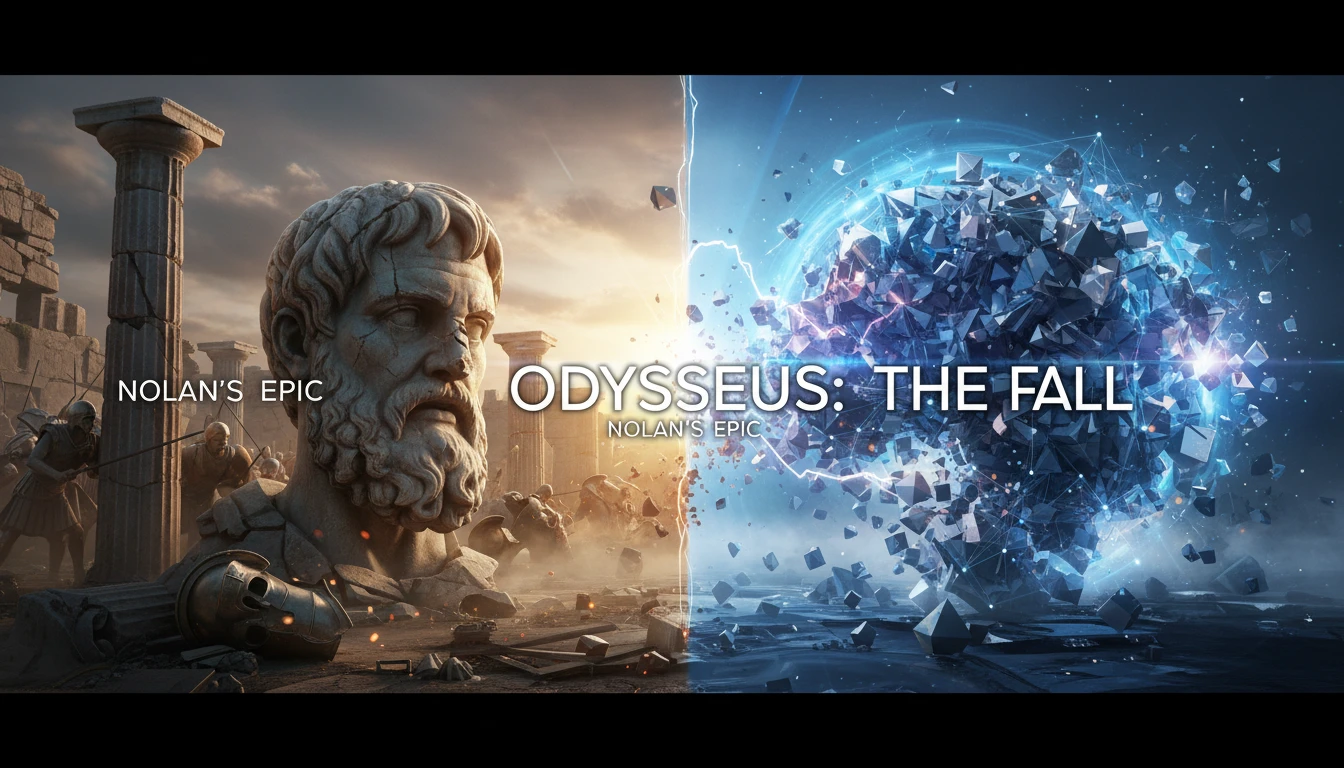
On one side, you have Christopher Nolan’s star-studded, big-budget epic, 'The Odyssey,' filmed with the full might of the Hollywood studio system. On the other, you have 'Odysseus: The Fall,' a 135-minute feature film that tackles the same ancient Greek
story with a vastly different arsenal. The latter was created almost entirely by a single person, demonstrating a radical new approach to moviemaking. Released by AI film studio Fountain 0, the project was intentionally timed to debut alongside Nolan's film, not as a direct competitor in quality, but as a fascinating point of comparison. The studio wants audiences to see what is possible at the highest level of human-led creation versus what one person can now achieve in collaboration with AI, raising questions about the very definition of filmmaking.
The One-Man AI Studio
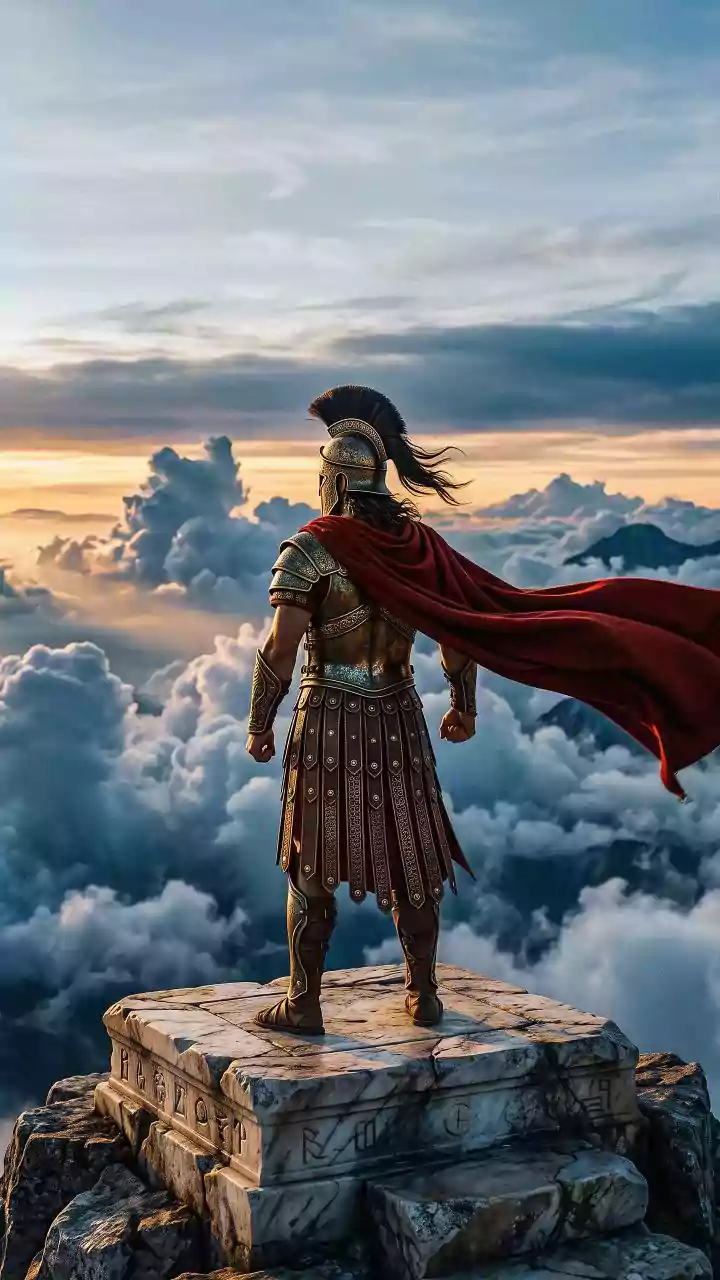
The creator behind this ambitious project is Ash Koosha, co-founder of Fountain 0 and a pioneer in the AI film space. This isn't his first foray into AI-driven storytelling; his previous film, 'Dreams of Violets,' was the first completely AI-generated movie to be accepted at a major film festival, premiering at Tribeca. For 'Odysseus: The Fall,' Koosha acted as the sole creator, writer, and director, completing the feature-length film over three months of part-time work. The cost was reportedly in the mid-five figures, a staggering contrast to the hundreds of millions required for a traditional epic. This feat was accomplished mostly through the expense of cloud token credits, essentially paying for the immense computing power required to generate the film's visuals and narrative components. Koosha even used his own likeness as the basis for the film's hero, Odysseus.
More Than Just a Game Engine
While many solo creators have used tools like Unreal Engine to create stunning short films, 'Odysseus: The Fall' represents a different technological leap. Instead of building scenes in a 3D environment, Koosha utilized a suite of generative AI tools. The project was reportedly built using Kling, an AI video generator, with AI language models like Claude assisting with the script. This workflow fundamentally changes the creative process. Instead of a traditional screenplay, Koosha worked from a looser set of notes, allowing him to interpret and adjust the film throughout production. This method also extends to the cast, which involved licensing the likenesses of 12 people to be used as characters in the film, highlighting a new frontier for digital rights and performance.
A New Frontier or 'AI Slop'?
The release of the film's trailer has sparked intense debate. Fountain 0 and Koosha state their goal is to democratize filmmaking, proving that epic stories no longer require blockbuster budgets. However, the reception from audiences and critics has been sharply divided. Many have criticized the film's visuals, pointing to jerky character movements, inconsistent rendering, and a tell-tale uncanny sheen common in current AI-generated video. Online, commentators have dubbed it 'AI slop,' viewing it as a soulless imitation designed to cash in on the hype surrounding Nolan’s film. Yet, this reaction may be part of the point. By pushing the technology to its limits, 'Odysseus: The Fall' serves as a public benchmark for where AI filmmaking stands today—warts and all.