







What Are These Strawberry Projects?
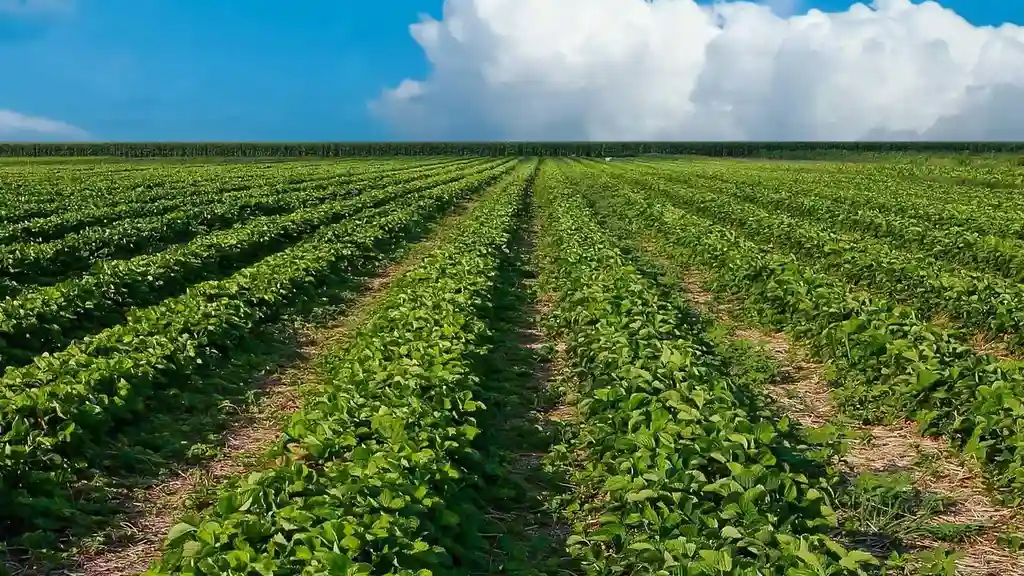
Several initiatives across the country are helping tribal and rural communities cultivate strawberries, a fruit traditionally grown in temperate climates like Mahabaleshwar, which produces about 85% of India's strawberries. These projects provide crucial
support, including saplings, technical training in modern farming techniques, and creating market linkages. The goal is to offer a lucrative alternative to traditional crops or daily wage labour, empowering communities, especially women, through sustainable agriculture. Spearheaded by state governments, NGOs, and community self-help groups (SHGs), these initiatives are showing remarkable success in states like Odisha, Jharkhand, and even parts of Rajasthan.
Success Stories from Across the Nation
In Odisha's Kandhamal and Koraput districts, tribal farmers are scripting a new chapter after the success of pilot projects. What began as a small trial in 2022 has expanded significantly, with over 250 SHGs, many led by women, now earning substantial profits from strawberry farming. The local administration supports this by providing training and helping with marketing. Similarly, in Bahraich, Uttar Pradesh, women farmers supported by the Aga Khan Foundation and IndusInd Bank are pioneering organic strawberry cultivation, expecting profits of up to ₹2.5 lakh. In Joypurhat, a new project launched in August 2026 aims to create strawberry-based enterprises for women of the Kormokar and Pahan indigenous communities, focusing on value-added products. Even in the arid landscape of Rajasthan, a few determined farmers near Udaipur are successfully growing the fruit against all odds.
How the Model Works
The success of these projects hinges on a cooperative, hands-on model. Typically, an implementing body, whether an NGO or a government agency, procures high-quality saplings, often from established hubs like Maharashtra. Farmers, organised into SHGs, are then provided with these saplings along with essential resources like mulching plastic and drip irrigation systems. Comprehensive training is a critical component, covering everything from soil preparation and pest management to harvesting and packaging. For instance, in Kandhamal, the district administration first sent its own team to Mahabaleshwar for training before cascading the knowledge to local farmers. This transfer of knowledge empowers farmers to manage the crop effectively, ensuring a healthy yield and a profitable harvest.
Economic and Social Impact
The shift to strawberry cultivation has brought significant financial and social benefits. Farmers who previously struggled with subsistence farming or migrated for low-paying labour jobs are now earning substantial incomes. In one Kandhamal pilot project, 10 farmers generated a profit of around ₹12 lakh from just two acres. This newfound economic stability allows families to invest in better housing, their children's education, and further farm improvements, such as installing solar-powered irrigation. Beyond the financial gains, these projects have boosted the confidence and leadership skills of women, who are often at the forefront of these initiatives. It also creates local employment, reducing the need for migration.
Current Status and Future Outlook
The movement is growing. Buoyed by initial successes, many states are planning massive expansions. The focus is now shifting towards building stronger market links, ensuring farmers get the best price for their perishable produce. While local tourists and city markets are primary buyers, the goal is to tap into larger urban centres. Another key development is the effort to create value-added products like jams and juices, which can increase profitability and reduce post-harvest losses. At a national level, India is also investing in research to develop its own indigenous, climate-resilient strawberry varieties to reduce dependence on expensive imported plants, a move that could further bolster these local projects. As these initiatives demonstrate, the humble strawberry is proving to be a powerful tool for empowerment and change in rural India.