






Day 1: Nahay Khay (November 13)
The festival commences with 'Nahay Khay', meaning 'bathe and eat'. Devotees, known as 'vratis', begin with a purifying dip in a holy river or water body, symbolising the cleansing of the body and soul. After the bath, they prepare a special vegetarian
meal, typically consisting of rice, chana dal (split chickpeas), and bottle gourd curry cooked in ghee with rock salt. This single meal marks the start of the rigorous observance, with an emphasis on purity in both the preparation of food and the home environment, which is thoroughly cleaned.
Day 2: Kharna (November 14)
The second day, known as Kharna or Lohanda, involves a day-long fast from sunrise to sunset. Vratis abstain from food and water throughout the day. In the evening, after prayers, they break the fast with a sacred meal of 'rasiao-kheer' (a pudding made with jaggery and rice) and rotis. This meal is first offered as prasad. Once consumed, it marks the beginning of the toughest phase of the festival: a continuous 36-hour fast without even a drop of water.
Day 3: Sandhya Arghya (November 15)
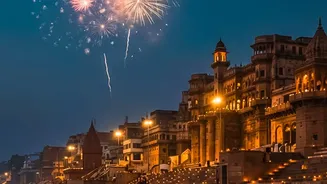
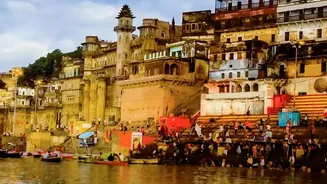
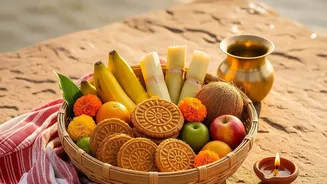
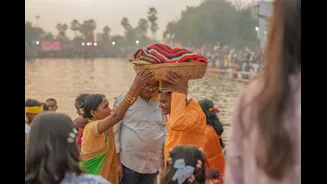
The third day is the focal point of Chhath Puja. In the late afternoon, families throng to the banks of rivers and ponds. They carry offerings like thekua (a sweet wheat cookie), fruits, and sugarcane in bamboo baskets called 'soop'. As the sun begins to set, vratis stand waist-deep in the water to offer 'Sandhya Arghya' (evening offerings) to the setting sun, a unique ritual expressing gratitude for its life-sustaining energy. The air is filled with devotional folk songs, creating a deeply spiritual atmosphere.
Day 4: Usha Arghya (November 16)
On the final day, devotees gather at the ghats well before dawn. They once again stand in the water and await the sunrise to make the 'Usha Arghya' (morning offerings) to the rising sun. This ritual symbolises a prayer for continued blessings of health, prosperity, and well-being. Following the morning prayers, the 36-hour fast is broken with a small portion of the prasad. The offerings are then distributed among family, friends, and neighbours, concluding the four-day festival.
A Guide to Prominent Ghats
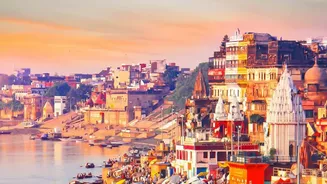
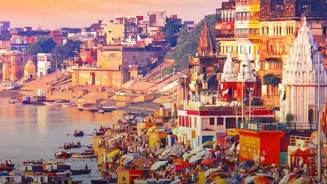
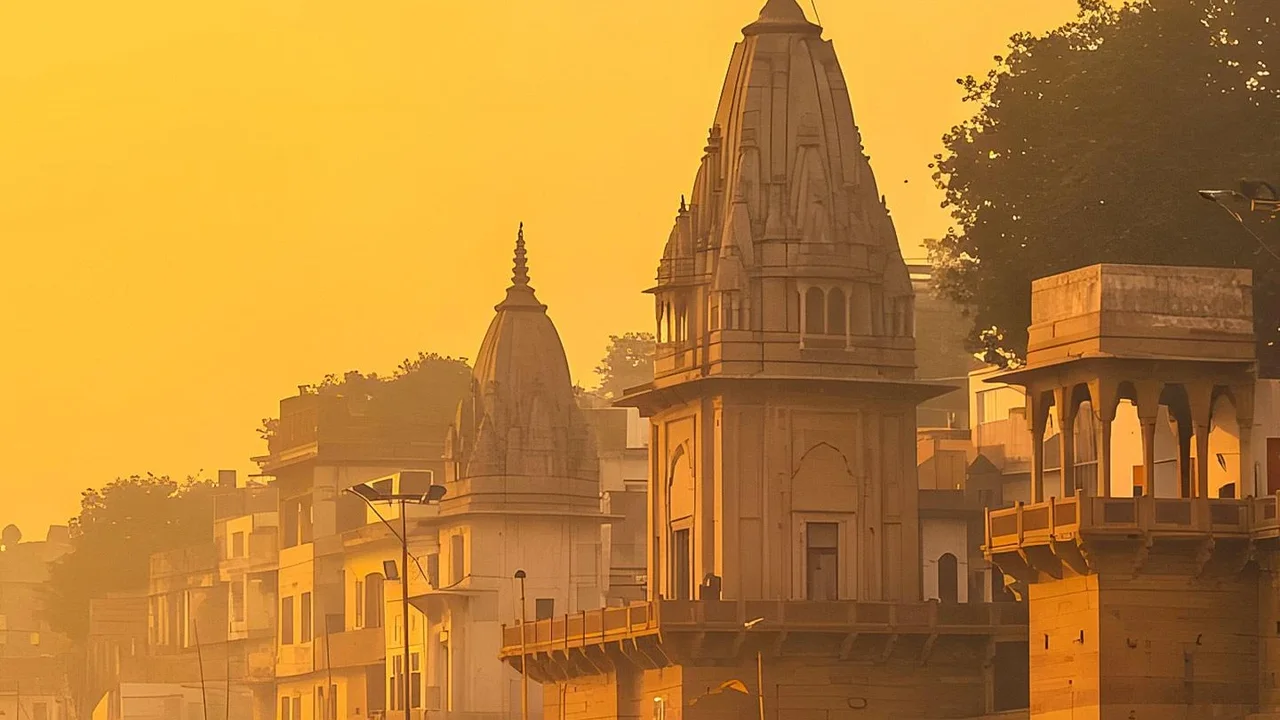
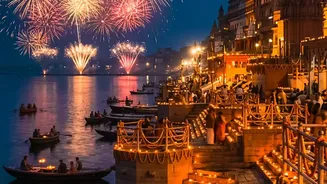
While Chhath originated in Bihar and eastern Uttar Pradesh, it is now celebrated with great fervour in cities across India. In Delhi, the government prepares over a thousand ghats, both along the Yamuna and as artificial ponds in parks and neighbourhoods. Key locations include the ITO Yamuna Ghat, Kalindi Kunj Ghat, and the redeveloped Vasudev Ghat near Kashmere Gate. In Patna, the heartland of the festival, the banks of the Ganga come alive. Major ghats like Gandhi Ghat, Collectorate Ghat, and the Digha Ghat stretch are epicentres of devotion, drawing massive crowds. It's advisable for visitors to arrive early and check for local traffic advisories.
Safety and Etiquette for Devotees
The ghats can become extremely crowded, so safety is paramount. Always stay within designated bathing areas and avoid deep water. It is crucial to keep a close watch on children and elderly family members. Wear footwear with a good grip as the steps can be very slippery. Respect the sanctity of the rituals by not making loud noises and asking for permission before photographing devotees. Authorities often provide facilities like changing rooms, medical aid, and security, so follow their instructions to ensure a safe and smooth experience for everyone.