







In our fast-paced lives, the simple act of walking is often overlooked. But what if a walk could be more? A controlled nature trail hiking session transforms this basic movement into a powerful tool for physical and mental rejuvenation.
More Than Just a Stroll
A controlled nature
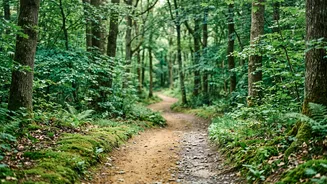
trail hiking session is not about reaching a summit or covering a certain distance. It is about intention. Unlike a casual walk where your mind might wander to your to-do list, this practice is about mindful movement. The 'controlled' aspect refers to maintaining a steady, brisk pace that elevates your heart rate but still allows you to hold a conversation. The 'nature trail' element is crucial, as the uneven terrain engages more muscles and the natural surroundings provide immense psychological benefits. It’s a deliberate fusion of moderate exercise and mindfulness, designed to connect your mind and body with the environment.
Physical Rewards of a Steady Pace
Walking at a steady, moderate pace is a low-impact exercise with high-impact results. It is known to increase cardiovascular fitness, strengthen bones, reduce excess body fat, and boost muscle power and endurance. Regular brisk walking helps manage conditions like high blood pressure, high cholesterol, and diabetes. Unlike running, it's gentle on the joints, making it a sustainable activity for people of all ages and fitness levels. Aiming for at least 150 minutes of moderate-intensity activity a week, which can be broken down into 30-minute sessions five days a week, can significantly reduce your risk for heart disease and even certain cancers.
Your Brain on Nature's Trail
The mental health benefits of walking in nature are profound. The Japanese practice of 'Shinrin-yoku' or 'forest bathing' is built on this very principle. Scientific studies show that spending time in a natural environment can reduce stress, calm anxiety, and lower the risk of depression. It works by decreasing activity in the part of the brain linked to repetitive negative thoughts and lowering levels of the stress hormone cortisol. The sights, sounds, and smells of nature help to reset an overstimulated mind, improve focus, boost creativity, and enhance your overall mood. Even a short 20-minute walk outdoors can increase feelings of happiness and well-being.
How to Design Your Session
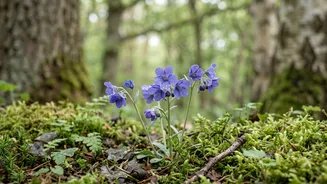
Starting is simple. First, choose a local park or trail that is accessible and safe. You don't need expensive gear, just comfortable shoes and weather-appropriate clothing. Before you begin, set an intention. It could be to release stress, to enjoy the quiet, or simply to be present. As you walk, focus on maintaining a steady pace where you can feel your heart working but you aren't breathless. Pay attention to your body: the rhythm of your breath, the feel of your feet on the path. Engage your senses. Notice the different shades of green, the sound of birds, the scent of the earth. Try to disconnect from your phone to allow your mind to fully absorb the experience.
Making It a Lasting Habit
Consistency is key to reaping the long term benefits. To build a habit, start small, perhaps with a 20 minute walk a few times a week. Schedule these sessions in your calendar as you would any other important appointment. Walking with a friend or a family member can help with motivation and adds a social element to the experience. Remember that every step counts. Don't be discouraged if you miss a day. The goal is to build a sustainable practice that brings you joy and improves your quality of life. The more you do it, the more you will appreciate this simple, yet powerful, way to care for yourself.