




The Nutrition Myth: Fresh Isn't Always Best
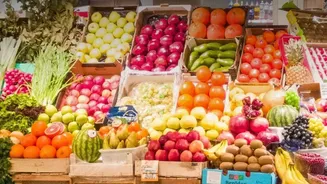
Many of us assume that 'fresh is best' when it comes to nutritional value, but that’s not always the full story. Fresh produce is most nutritious right after it's harvested. However, many fruits and vegetables travel long distances to reach our local
stores, and this journey causes a gradual loss of nutrients, especially delicate vitamins like vitamin C. In contrast, packaged alternatives like frozen and canned produce are typically processed within hours of being picked at their peak ripeness. The flash-freezing process, in particular, is excellent at 'locking in' vitamins and minerals, meaning frozen peas or berries can sometimes be more nutritious than their fresh counterparts that have been sitting on a shelf for a week. Canning also preserves most nutrients effectively, although some water-soluble vitamins can be lost during the heating process.
Cost and Convenience: A Practical Approach
When it comes to your wallet and your schedule, packaged produce often has a clear advantage. Fresh produce prices can fluctuate dramatically based on the season and can be particularly high for out-of-season items. Packaged options, however, offer consistent pricing year-round, making them a reliable and budget-friendly choice. In India, where fresh domestic produce is generally affordable, packaged alternatives still offer value, especially for items that are not locally grown. The convenience factor is also significant. Frozen and canned vegetables often come pre-washed and chopped, saving you precious preparation time in the kitchen. This can be a huge help on busy weeknights, making it easier to include vegetables in your meals without the extra effort of peeling and dicing.
Shelf Life and Reducing Food Waste
One of the biggest downsides of fresh produce is its short shelf life. We've all had the disappointing experience of finding wilted greens or spoiled fruit in the refrigerator. This not only wastes money but also the good intentions behind the purchase. Packaged produce offers a powerful solution to this problem. Frozen vegetables can last for up to a year, while canned goods can remain safe to eat for two to five years, provided they are stored properly. By stocking your pantry and freezer with these long-lasting alternatives, you ensure that you always have fruits and vegetables on hand. This is perfect for building healthy meals without frequent trips to the store and significantly cuts down on household food waste.
What to Watch For: Reading the Labels
The main drawback of some packaged foods lies in the additives used for preservation and flavour. When shopping for canned goods, it is crucial to read the nutrition label. Many canned vegetables are packed with added salt (sodium), and canned fruits are often stored in sugary syrups. To make a healthier choice, look for vegetables with 'No Salt Added' or 'Low Sodium' labels. You can also rinse canned vegetables and beans under running water to wash away a significant amount of the sodium. For fruits, choose those packed in their own juice or water instead of heavy syrup. Similarly, for frozen vegetables, opt for plain versions rather than those with added sauces, butter, or salt, which can add unnecessary fat and sodium.
Making the Right Choice for Every Situation
The best approach is often a mixed one. Fresh, in-season produce from a local market is fantastic for its flavour and texture, especially for foods you plan to eat raw, like in salads. Frozen fruits are perfect for smoothies, as blending them ensures you consume all the nutrients without any loss from thawing. Frozen vegetables are excellent for cooked dishes like curries, soups, and stir-fries. Canned beans, lentils, and tomatoes are incredibly convenient pantry staples that form the base of many quick and healthy meals. By understanding the pros and cons of each type, you can build a well-rounded and nutritious diet that fits your lifestyle and budget, ensuring you get your daily dose of fruits and vegetables in the smartest way possible.