




Beetroot: The Vibrant All-Rounder
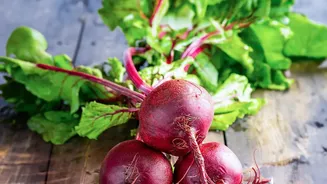
Often relegated to salads, the beetroot (or chukandar) is a nutritional powerhouse waiting to transform your meals. Packed with essential nutrients, fibre, and powerful antioxidants called betalains, it’s known for benefits ranging from improved blood
flow to reduced inflammation. But its true magic lies in its versatility. Instead of just boiling or grating it raw, try making vibrant beetroot tikkis. Grate cooked beetroot, mix with mashed potatoes, ginger, green chillies, and spices like cumin and coriander powder, form into patties, and shallow-fry until crisp. Another exciting approach is to create a stunning beetroot puree to use as a base for curries or pasta sauces, lending a sweet, earthy flavour and an incredible colour to any dish. It can even be blended into hummus for a colourful and nutritious twist on the classic dip.
Sweet Potato: Not Just for Roasting
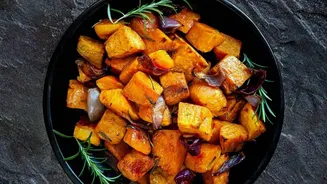
Sweet potato (shakarkandi) is a beloved staple, but it offers so much more than a simple roast or chaat. It’s an excellent source of fibre, vitamins A and C, and minerals. Its natural sweetness makes it incredibly adaptable for both savoury and sweet preparations. To make it the star of your meal, try creating loaded sweet potato skins with an Indian twist. Bake whole sweet potatoes, slice them in half, scoop out most of the flesh, and mix it with spiced peas, chopped onions, and paneer or minced chicken. Stuff this mixture back into the skins, top with a sprinkle of cheese, and bake until golden. For a comforting and flavourful side, prepare a savoury sweet potato mash by combining boiled sweet potatoes with sautéed onions, garlic, garam masala, and a generous squeeze of lime juice.
Taro Root: The Crispy, Creamy Chameleon
Taro root (arbi) can be intimidating; if not cooked correctly, its texture can be slimy. But when handled right, it’s a revelation—creamy on the inside with a delightfully nutty flavour. It’s a starchy vegetable that’s rich in fibre and resistant starch, which is beneficial for gut health. The secret to banishing the slime is to either boil it first or fry it well. For an irresistible snack or side dish, try arbi fry. Boil the taro until just tender, peel, flatten slightly, and then shallow-fry with spices like ajwain (carom seeds), turmeric, and red chilli powder until it’s golden brown and crispy on all sides. Another fantastic way to enjoy it is in a tangy, yogurt-based curry where the creamy cubes of taro absorb the flavours beautifully, offering a perfect contrast to the zesty gravy.
Turnip: The Misunderstood Gem
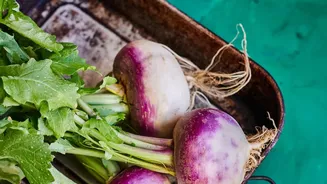
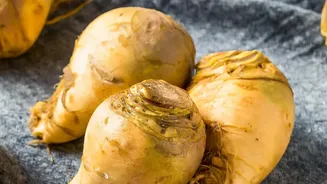
The turnip (shalgam) often gets a bad rap for being bitter or bland, but this is usually because it’s not prepared with care. When cooked well, turnip develops a mildly sweet and earthy flavour. Younger turnips are generally sweeter than older ones. A classic Punjabi preparation, shalgam ki sabzi, transforms the vegetable completely. By slow-cooking it with a flavourful base of browned onions, tomatoes, ginger, and garlic, the turnip becomes tender and absorbs all the rich, spicy notes of the masala, balancing its inherent sharpness. You can make a simple homestyle version by sautéing cubed turnips with cumin seeds, turmeric, and tomatoes. Another method is to mash cooked turnips with butter, salt, and black pepper, creating a delicious alternative to mashed potatoes.
Radish: Surprisingly Delicious When Cooked
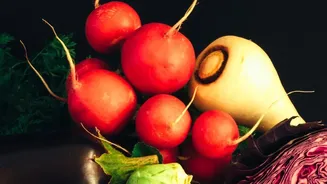
While we love the sharp crunch of raw radish (mooli) in salads and parathas, cooking it completely transforms its character. The intense, peppery bite mellows into a subtle, complex, and slightly sweet flavour. Radishes and their leaves are packed with nutrients, including a high amount of Vitamin C. One of the best ways to enjoy it cooked is in mooli ki sabzi, an easy and flavourful North Indian dish. Chopped radish is sautéed with mustard seeds, turmeric, and other spices. Often, the nutritious radish greens are also chopped and added in, creating a wholesome and delicious side dish that pairs wonderfully with roti. You can also add diced radish to your everyday dal, allowing it to simmer and soften, where it will lend a unique, savoury depth to the lentils.