




First, What Is El Niño?
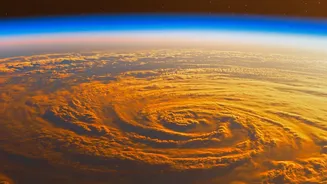
El Niño is a naturally occurring climate pattern characterized by the unusual warming of sea surface temperatures in the central and eastern Pacific Ocean. This event, which happens every two to seven years, might seem distant, but it triggers a cascade
of weather changes globally. During an El Niño, the typical trade winds that blow from east to west weaken. This allows the vast pool of warm water in the western Pacific to shift eastward, which in turn alters atmospheric circulation patterns across the planet, including those that drive the Indian monsoon.
The Monsoon Connection
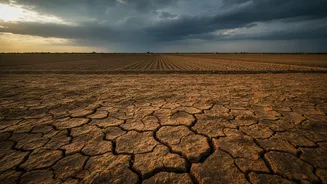
The Indian monsoon is often called the country's 'real finance minister' for a reason. It delivers about 70% of India's annual rainfall, which is critical for agriculture and replenishing water reservoirs. El Niño typically disrupts this process. The warming of the Pacific Ocean changes air pressure systems, creating conditions that can suppress the strength of the monsoon winds blowing towards India. This often results in weaker, delayed, or unevenly distributed rainfall across the subcontinent.
Is a Weak Monsoon Guaranteed?
Not necessarily. While a strong link exists, not every El Niño year has resulted in a drought in India. The relationship is complex. For instance, the strongest El Niño of the 20th century, in 1997-98, was accompanied by above-average monsoon rains. Other climate factors can play a role, most notably the Indian Ocean Dipole (IOD). A 'positive' IOD, characterized by warmer sea temperatures in the western Indian Ocean, can sometimes counteract El Niño's drying effect and bring more moisture to India, acting as a saving grace.
The Economic Exposure
A weak monsoon has a domino effect on the economy. Agriculture, which employs a significant portion of the population, is the most exposed. Poor rainfall impacts the sowing and yield of crucial kharif crops like rice, cotton, and soybeans. This not only reduces farm incomes and rural purchasing power but also puts upward pressure on food prices, stoking inflation. The impact spreads to other sectors as well. Lower rural demand affects sales of everything from tractors to consumer goods. Furthermore, depleted reservoirs can strain water supply and reduce hydropower generation.
The Outlook for 2026
The India Meteorological Department (IMD) had already anticipated the development of El Niño for the 2026 season, forecasting a below-normal monsoon. Weak El Niño conditions formed in June and intensified to a moderate strength, acting as a key factor suppressing monsoon circulation. After a very deficient June, rainfall picked up in July, but significant regional gaps remained. As of early August, cumulative seasonal rainfall for the country was 12% below the long-period average, with many districts facing deficits. The IMD's forecast for August also suggests below-normal rainfall is likely to continue.