






Rule #1: The Home-Packed Advantage
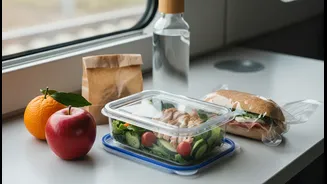
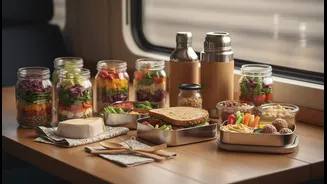
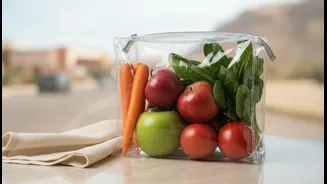
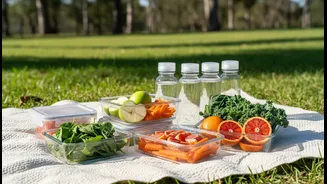
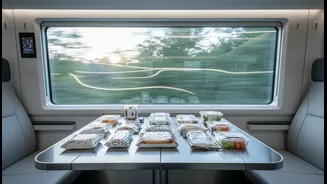
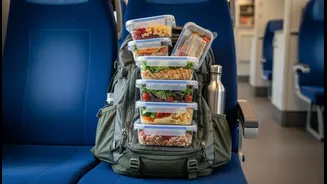
The safest and most reliable meal on a train is the one you bring from home. For the first leg of your journey, nothing beats homemade food. Think simple, non-messy, and slow-to-spoil items. Classics like theplas, stuffed parathas, and idlis are popular
for a reason—they travel well and taste great even at room temperature. Packing dry snacks is another smart move. Roasted chana, nuts, khakhra, energy bars, and fruits like bananas and oranges are perfect for beating hunger pangs between meals without any risk. This strategy not only gives you control over hygiene but also ensures you have a dependable option for at least the first day of your trip.
Buying Smart: Station Vendors & Pantry Cars
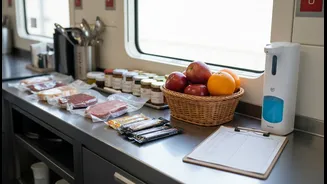
Eventually, you'll need to buy food. When you do, be observant. Pantry car food quality can be inconsistent, so it's best to choose items that are freshly prepared and served hot. Heat is your friend, as it kills most harmful bacteria. If you're buying from a platform vendor, opt for busy stalls that have a high turnover, as this suggests the food is fresh. Look for items that are cooked right in front of you, like a bread omelette or freshly fried snacks. Be cautious with anything that looks like it has been sitting out, is uncovered, or is served at room temperature. Also, always inspect packaged goods to ensure the seal is intact before buying.
The Digital Dining Car: Using E-Catering Safely
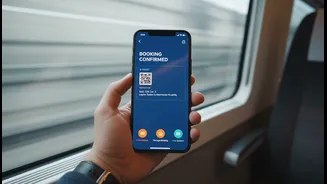
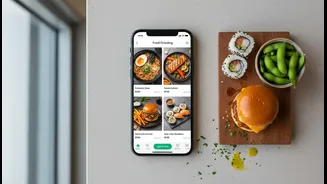
IRCTC's e-catering service has become a game-changer for train food, allowing you to order meals from FSSAI-approved restaurants to be delivered to your seat at major stations. This offers a much wider and often more reliable variety of food compared to the standard pantry menu. However, you must be careful. In recent months, IRCTC has cracked down on several unauthorized websites and apps that mimic official services but may source food from unhygienic kitchens. To stay safe, order only through the official IRCTC e-catering website, the 'Food on Track' app, or authorized partners. This ensures the restaurant is accountable and follows food safety standards.
Hydration Station: The Water Rules
Staying hydrated is crucial, but it's also one of the easiest ways to fall sick if you're not careful. The number one rule is to drink only sealed bottled water from trusted brands or IRCTC's own 'Rail Neer'. Before buying a bottle, always check that the cap's seal is unbroken. Avoid drinking tap water from any source on the train or at stations, and be wary of ice in drinks unless you are certain it was made from purified water. Using bottled water to brush your teeth is another small but effective habit to adopt. If you enjoy hot beverages, tea or coffee are generally safe as they are made with boiled water.
Your Hygiene Toolkit
Food safety isn't just about the food itself; personal hygiene plays a huge role. Always wash your hands with soap and water before eating. If you can't get to a washbasin, a hand sanitizer is the next best thing. It's also a good idea to carry antibacterial wipes to clean your hands, your eating surface, and any cutlery you might use. Don't touch your face or mouth after handling money or touching public surfaces until you've had a chance to clean your hands. These simple habits can dramatically reduce your risk of picking up germs that cause stomach issues.
If You Do Get Sick
Even with precautions, travel can sometimes upset your system. If you start feeling unwell with symptoms like nausea or an upset stomach, the most important thing is to stay hydrated by sipping on bottled water. You might want to carry some oral rehydration salts (ORS) just in case. Stick to very plain foods like plain rice, curd rice, or bananas until you feel better. A traditional remedy like khichdi is also gentle on the stomach. Avoid oily, spicy, or heavy foods which can make things worse.