



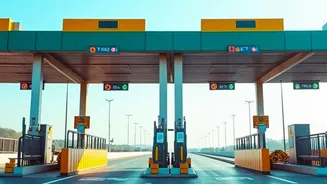


The Immediate Change: A New Formula
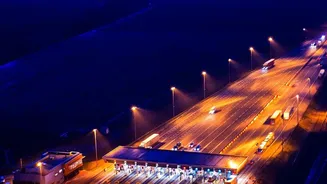
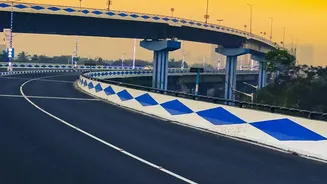
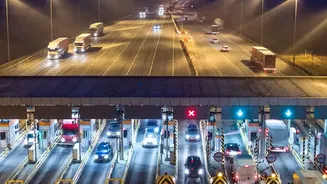
The most immediate change comes from an amendment to the National Highways Fee Rules. This new rule specifically targets how tolls are calculated on highway sections that include costly structures like long bridges, tunnels, and elevated roads. Previously,
the tollable distance for such a structure could be calculated as ten times its actual length, often without an upper limit. The revised rule introduces a cap. Authorities must now use whichever calculation method results in a lower toll, ensuring commuters are not overcharged for using these expensive but essential infrastructure projects. Any structure less than 60 metres in length will not be treated separately for this calculation. This change is designed to bring more transparency and fairness to toll collection, particularly on complex routes.
How It Affects You Now
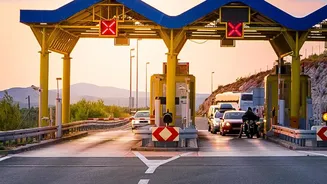
This revised formula is being rolled out systematically. For any brand-new toll plaza, these new, fairer calculation rules will apply from the very first day of operation. If you are travelling on a newly opened highway stretch, you will benefit from this change immediately. For existing toll plazas that are funded publicly, the new rules will take effect from the next scheduled date for user fee revision. However, for toll plazas operated by private concessionaires, the change will only apply after the concession period ends and the project is handed back to the highway authority. This means the financial relief on some routes may be immediate, while on others it will be phased in over time.
Part of a Bigger Picture: The Road to GPS Tolling
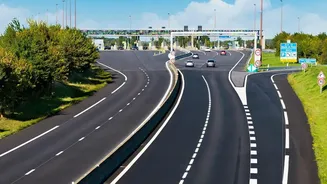
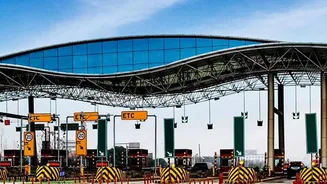
This formula revision is just one part of a much larger transformation in how India collects tolls. The ultimate goal, as stated by the Ministry of Road Transport and Highways, is to move away from physical toll booths entirely. The future is a satellite-based system using Global Navigation Satellite System (GNSS) technology, which includes the familiar GPS. This futuristic system aims to create a 'barrier-free' tolling experience, where you will no longer need to stop or even slow down at a toll plaza. The plan is to create a seamless, pay-as-you-drive network across the country.
How Will Satellite Tolling Work?
Instead of FASTag readers at physical booths, the new GNSS system will use a device in your vehicle to track its journey on a tolled highway via satellite. The system will automatically detect when you enter and exit a tolled section, calculating the exact distance you have travelled. The toll amount will then be automatically deducted from your linked digital wallet or bank account. This 'pay-per-use' model is considered fairer because you only pay for the exact distance you cover, unlike the current system where you pay a fixed fee for a whole section, even if you only use a small part of it. The system will be supported by Automatic Number Plate Recognition (ANPR) cameras to ensure compliance.
What This Means for Your Wallet
These changes will have a direct impact on travel costs. The immediate rule change for bridges and tunnels is expected to reduce toll fees on many routes, with some estimates suggesting reductions of up to 40% on specific stretches with long structures. The long-term shift to a GNSS-based system brings a different kind of financial change. If you frequently make short trips on highways, you will likely save money, as you will no longer pay the full toll for a 60-kilometre section. The system is designed to eliminate toll theft and increase revenue for the government, which can be reinvested into road maintenance, while also making the cost fairer for individual users.