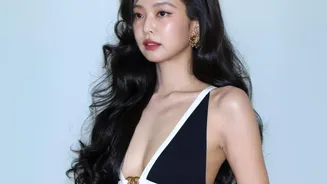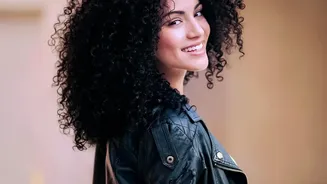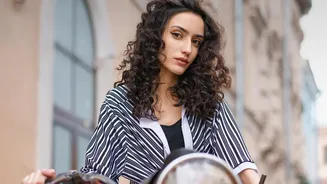


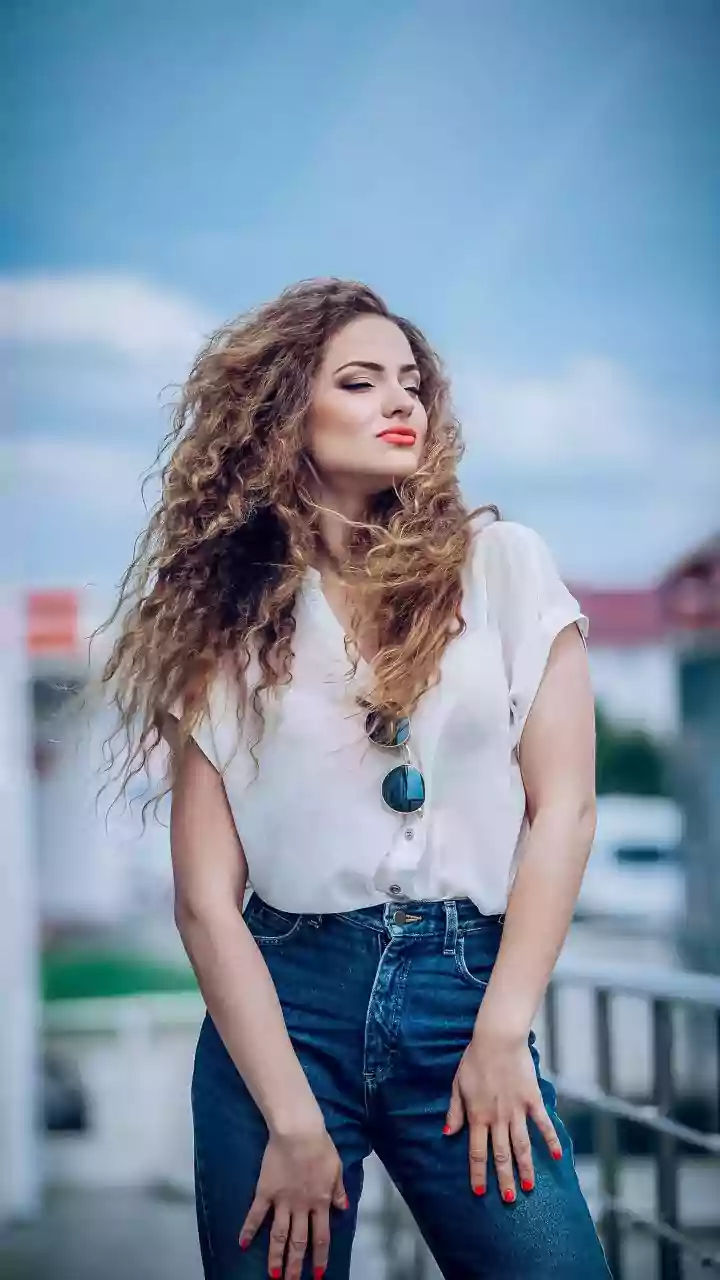
The 1920s: Modern Finger Waves
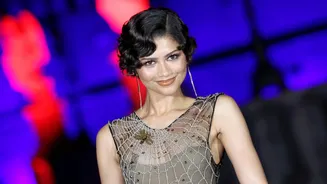
The Roaring Twenties were defined by sharp bobs and structured, glossy waves. While traditional finger waves required setting wet hair with lotion and clips, you can achieve a softer, more touchable version today. A simplified approach is to focus on just
the front sections of your hair. After creating a deep side part, use a small-barrel curling iron or a wand to create 'S' shaped waves around your face. The trick is to curl one section forward, the next backward, and gently clip them in place to cool. Once set, brush them out lightly to form a soft, undulating wave rather than a tight curl. This method gives you that Jazz Age feel without the time-consuming and rigid commitment of the original style, perfect for adding a touch of vintage flair to long hair or a modern bob.
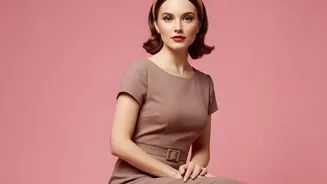
The 1940s: Old Hollywood Glamour
The 1940s were the golden age of Hollywood, defined by sultry, voluminous waves like those made famous by actress Veronica Lake. Her signature 'peek-a-boo' style is surprisingly achievable. The foundation of this look is a dramatic deep side part. Using a 1-inch curling iron, curl large sections of your hair all in the same direction, rolling them toward your face. For that classic, uniform wave, it's crucial that every curl is wrapped identically. After curling, let the sections cool completely before brushing them out with a paddle brush. Brushing is what transforms the individual curls into a single, cohesive 'S' wave. The more you brush, the softer and more blended the wave becomes. A light mist of hairspray will hold the iconic shape while keeping it soft and touchable.
The 1970s: Feathered Freedom
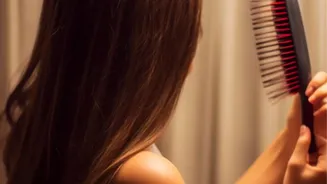
Think of 70s hair, and Farrah Fawcett’s iconic feathered layers immediately come to mind. This look is all about volume, movement, and curls directed away from the face. It works best on layered hair, but you can fake the effect with a curling iron or even a straightener. Start by applying a volumizing mousse to give your hair some lift. Working in sections, curl your hair outwards, away from your face. The key is to flick the ends up and back, creating that signature feathered shape. For the hair framing your face, really emphasize this outward curl to open up your features. After curling, gently run your fingers through your hair to break up the curls and create a softer, more windblown effect. This style is meant to look energetic and free, so don't aim for perfect, uniform curls.
The 1990s: Effortless Grunge Curls
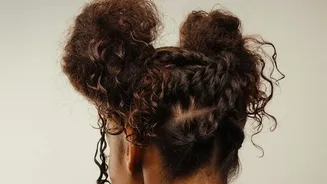
The 90s offered a more relaxed, undone approach to curls. The grunge aesthetic favoured a messy, lived-in texture that felt effortlessly cool. This look is less about perfect ringlets and more about creating a soft, subtle bend in the hair. The easiest way to achieve this is with a flat iron. Take random sections of hair and create a slight 'S' shape by bending the iron back and forth as you move down the hair shaft, leaving the ends straight for a more modern, deconstructed finish. Alternatively, use a curling wand but only wrap the middle of the hair section, again leaving the roots and ends out. A texturizing spray or sea salt mist is your best friend here, as it will add the grit and matte finish that defines the era. The goal is a style that says 'I woke up like this' in the best possible way.