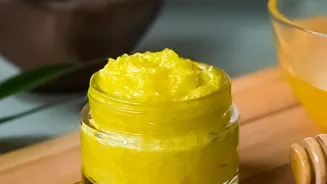









The Allure of Kitchen Cosmetics
The internet is brimming with DIY beauty recipes promising glowing skin with simple ingredients. From fruit pulp to spices, the idea of using 'natural' products is compelling. It feels safer, purer, and more authentic than navigating complex chemical
names on a store-bought serum. Plus, it's budget-friendly and can be a fun, creative process. However, the popular belief that 'natural' automatically equals 'safe' is a dangerous misconception. The kitchen and the cosmetic lab are two very different environments, and an ingredient that is healthy to eat can be surprisingly harsh when applied directly to the skin, which is a delicate and complex organ.
The Lemon Juice Myth
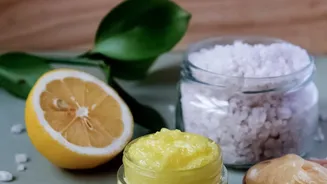
Lemon juice is often touted as a natural skin lightener due to its vitamin C content. While vitamin C is a celebrated brightening agent, the form found in lemon juice is unstable and comes with serious risks. Lemons are highly acidic, with a pH of around 2. The skin’s natural pH is about 4.5 to 5.5. Applying pure lemon juice can disrupt this delicate acid mantle, causing irritation, dryness, and redness. The biggest danger is a condition called phytophotodermatitis. Lemons contain compounds called furanocoumarins and psoralens which, when exposed to UV light, can trigger a severe inflammatory reaction. This can result in painful blisters, rashes, and dark pigmentation that can last for months.
The Baking Soda Blunder
Often promoted as a gentle exfoliant, baking soda is another kitchen staple that should stay far away from your face. Unlike lemon juice, baking soda is highly alkaline, with a pH of around 9. Using it on your skin severely disrupts the natural acidity that protects you from bacteria and environmental damage. This can strip the skin of its essential oils, leading to extreme dryness and a compromised moisture barrier. For those with sensitive skin, this can trigger irritation, redness, and burning sensations. It can even make conditions like acne and eczema worse by creating a more vulnerable skin surface.
Turmeric: A Double-Edged Spice
Turmeric has been used for centuries for its anti-inflammatory and antioxidant properties, thanks to its active compound, curcumin. These properties can indeed help calm the skin and may inhibit melanin production, which contributes to an even skin tone. However, it's not without its downsides. The most immediate and common issue is its potent yellow pigment, which can temporarily stain the skin, especially on fairer complexions. While generally considered safe, some people can experience contact dermatitis or allergic reactions. Just because it's a natural spice doesn't mean it's universally gentle.
Gentler Options to Consider
Not all kitchen ingredients are villains. Plain yoghurt, for instance, contains lactic acid, a mild alpha-hydroxy acid (AHA). Lactic acid gently exfoliates the skin by sloughing off dead cells, which can lead to a brighter and smoother complexion without the harshness of other DIY ingredients. It's generally well-tolerated, even by many with sensitive skin. Raw honey is another gentle option, known for its natural humectant and antibacterial properties. It can help hydrate the skin and soothe inflammation. Even with these milder options, however, individual reactions are still possible.
The Non-Negotiable Patch Test
Whether you're trying a 'risky' or 'gentle' ingredient, a patch test is absolutely essential. Before applying any new concoction to your entire face, apply a small amount to a discreet area of skin, like the inside of your wrist or behind your ear. Wait at least 24 to 48 hours. If you notice any redness, itching, burning, or other signs of irritation, do not use the mixture on your face. This simple step can save you from a widespread and painful reaction. It’s a crucial safety check for both homemade and store-bought products.
Safer Paths to a Brighter Complexion
If you're serious about brightening your skin, consider professionally formulated products designed for stability and safety. Look for ingredients that are proven to be effective and are formulated at the correct pH and concentration for facial skin. These include stable forms of Vitamin C, niacinamide (Vitamin B3), azelaic acid, kojic acid, arbutin, and licorice extract. These ingredients work to inhibit melanin production, reduce hyperpigmentation, and provide antioxidant benefits without the risks of chemical burns or barrier damage associated with raw kitchen ingredients.