





The Ancient Sentinel of Wayanad
In the Regional Agricultural Research Station (RARS) in Ambalavayal, Wayanad, stands a living monument. It is an avocado tree, planted in 1947 by British officials as part of a post-World War II rehabilitation project for soldiers. This single tree, now
almost 80 years old, is a direct link to a time long before the avocado became a symbol of modern wellness culture. For years, it stood simply as a botanical curiosity, bearing fruit long before most of the country knew what to do with it. Today, as Ambalavayal has been declared Kerala's first 'Avocado City', this tree serves as a quiet reminder that the fruit's roots in India are far deeper than we imagine.
A Missionary's Fruit and a Colonial Footnote
The story of the avocado in India didn't begin in Wayanad, but it was certainly an important chapter. The fruit was first introduced to the subcontinent in the early 20th century, not as a commercial crop, but as a botanical novelty. American missionaries and British officers brought seedlings from places like Sri Lanka (then Ceylon) and their homelands, planting them in the cool, hilly climes of Southern India and Sikkim that mimicked their native Central American highlands. Trees were planted in mission compounds and the gardens of colonial officials in Coorg, Kodaikanal, and Bangalore. However, it was never pushed as a commercial crop. Known locally as 'butter fruit' for its texture, it failed to capture the Indian palate, which was largely unaccustomed to its bland, creamy flavour.
The Lost Decades
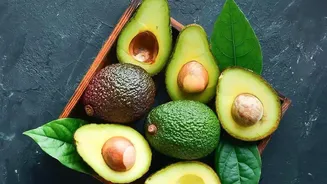
So if avocados have been in India for over a century, why did they only become popular now? For decades, the fruit remained a niche, backyard crop. In some areas of Kerala, it was even dismissed as 'pattippazham' or 'dog fruit', with ripe produce often going to waste because locals were unsure how to consume it. The initial introductions were mostly from seedlings, leading to huge variations in quality, taste, and yield, making commercial cultivation a gamble. Unlike the standardised 'Hass' variety that dominates the global market today, India's early avocados were a mixed bag of Green, Purple, and other heirloom types. Without a ready market or consistent quality, the 'butter fruit' remained a local secret, enjoyed in milkshakes or as a side dish in the few communities that grew it.
The Great Avocado Awakening
The script flipped dramatically in the last decade. A perfect storm of social media, a growing interest in global cuisines, and a massive shift towards health-conscious eating in urban India created the modern avocado boom. Food influencers made avocado toast look aspirational, while nutritionists praised its 'good fats'. Suddenly, the once-ignored fruit was a must-have item in upscale cafes and supermarkets. Demand surged, catching domestic production off-guard. By the mid-2020s, India was importing thousands of tonnes of avocados from countries like Tanzania, Kenya, and Mexico to satisfy this newfound appetite. This insatiable demand has created a lucrative opportunity, prompting Indian farmers in states like Karnataka, Tamil Nadu, and Maharashtra to look at avocado cultivation with fresh eyes.
From Heritage to a Hopeful Future
This is where the story circles back to old trees like the one in Ambalavayal. While new plantations focus on globally popular varieties like Hass, the existence of these older, localised trees raises important questions. These heritage specimens are survivors, adapted to Indian conditions over decades. Researchers see potential in these local varieties, which could be more resilient and better suited for Indian farmers than imported cultivars. They may have a lower oil content than the famous Hass, but their hardiness is a significant advantage. The journey from a forgotten 'dog fruit' to a premium crop is a testament to India's evolving food landscape. The challenge now is to bridge the gap between soaring demand and sustainable, domestic production.