





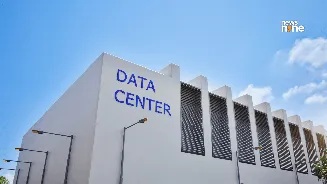
An Unstoppable Digital Expansion
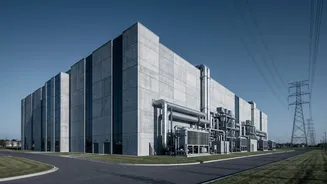
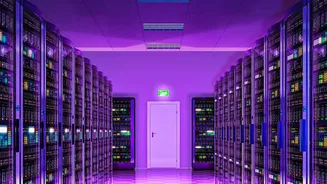
The demand for data centres in India is surging, fuelled by a perfect storm of rapid cloud adoption, the explosion of AI workloads, widespread 5G rollout, and government data localisation policies. This has transformed India into one of Asia's most consequential
digital infrastructure markets, attracting billions in global investment. The country's data centre capacity is projected to more than double from around 0.9 GW in 2023 to approximately 2 GW by 2026, with some estimates suggesting it could reach as high as 10 GW by 2030. This growth is attracting significant capital, with investment commitments since 2021 soaring into the hundreds of billions of dollars. This expansion isn't just about building more; it's about building bigger and better, with a noticeable shift towards larger hyperscale facilities and higher-tier, more resilient designs.
The High Price of Progress
This phenomenal growth comes at a steep price. The cost of building a data centre in India has risen significantly, with the average cost per megawatt (MW) increasing from around ₹40-45 crore to as much as ₹70 crore or more for high-density, AI-ready facilities. Land acquisition in prime locations like Mumbai and Chennai, which host the majority of capacity due to their proximity to submarine cable landings, is a major challenge and expense. However, the single largest operating cost is power. Electricity can account for 50-65% of a data centre's total operational expenses. These facilities require massive amounts of uninterrupted, high-quality power, placing a significant strain on local electricity grids and creating a substantial financial burden for operators.
Confronting the Carbon Footprint
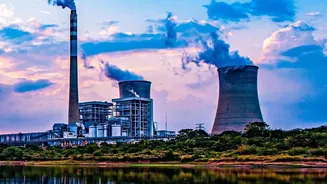
The industry's immense power thirst creates a direct conflict with sustainability goals. Globally, data centres account for 1-2% of all electricity consumption, a figure that is rising fast with the advent of power-hungry AI. In India, the sector's share of national electricity demand is projected to grow from less than 1% today to as much as 3% by 2030. Beyond electricity, water is another critical and often overlooked resource. Data centres, especially those in hot and humid climates like India's, use vast quantities of water for cooling. A single large facility can consume millions of litres of water per day, exacerbating stress in already water-scarce regions like Chennai and Bengaluru. This environmental footprint is no longer a peripheral concern, as investors, regulators, and customers increasingly demand provably green operations.
The Search for a Greener Path
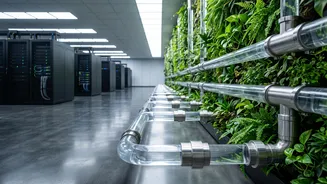
In response to these pressures, the industry is pivoting towards sustainable solutions. The pursuit of green data centres is now a business imperative, not just an ethical choice. Operators are aggressively pursuing power purchase agreements (PPAs) to source renewable energy directly from solar and wind farms, which can also reduce operating costs. Companies like AdaniConneX and STT GDC India have pledged to become carbon-neutral, with some already sourcing a significant portion of their energy from renewables. On the design front, innovations in cooling are critical. Advanced techniques like liquid cooling are becoming necessary for high-density AI racks, while closed-loop systems and even waterless air-based cooling are being deployed in water-stressed areas. State governments are also stepping in, offering subsidies and incentives for facilities that meet green energy usage targets.