

Why Eating Seasonally Matters
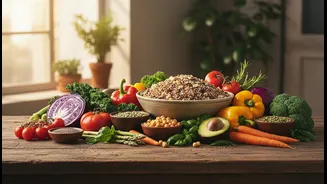
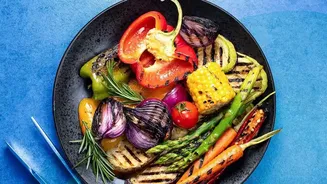
Eating foods that are in season is not just a trend; it's a smart way to boost your health. Seasonal fruits and vegetables are often fresher, which means they are packed with more nutrients like vitamins and antioxidants. A diet rich in produce helps
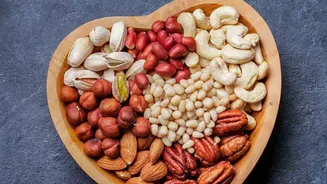
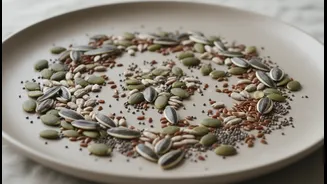
lower the risk of high blood pressure and heart disease. Furthermore, eating with the seasons encourages a wider variety of foods in your diet, which introduces a broader range of nutrients and can help support gut health and reduce the risk of chronic disease. Key foods known to help manage cholesterol include those high in soluble fibre, like oats and beans, and those with healthy unsaturated fats, like nuts, seeds, and certain fish.
Refreshing Summer Recipes
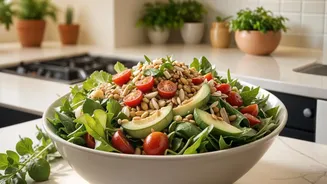
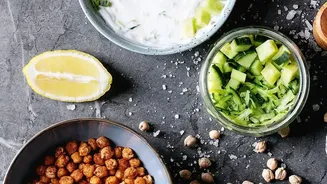
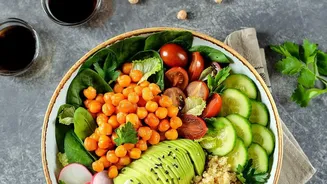
When the temperatures rise, turn to light, cooling, and hydrating foods. 1. Cucumber and Mint Raita: A classic coolant, this raita made with low-fat curd is not only refreshing but also great for digestion. Cucumbers are hydrating, and mint adds a burst of freshness. 2. Moong Dal Salad: A protein-packed salad using sprouted moong dal, chopped onions, tomatoes, and a squeeze of lemon. Sprouted moong is an excellent source of soluble fibre, which is beneficial for cholesterol management. 3. Grilled Fish with Herbs: Fish like salmon or mackerel are rich in omega-3 fatty acids, which are known to support heart health. A simple preparation involving grilling with lemon, garlic, and dill is both delicious and light. 4. Lauki and Moong Dal Cheela: This savoury pancake made from bottle gourd (lauki) and green moong dal is low in calories and high in fibre. It’s a wholesome breakfast or snack that helps you stay full.
Comforting Monsoon Meals
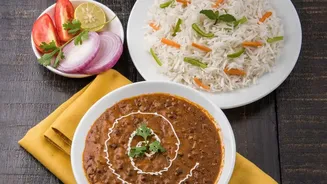
The monsoon calls for warm, comforting, and immunity-boosting dishes. However, it's wise to opt for steamed or lightly cooked foods. 5. Steamed Corn Chaat: A simple snack made with steamed corn kernels, chopped onions, tomatoes, and a sprinkle of chaat masala. It satisfies cravings for a savoury snack without the need for deep frying. 6. Mixed Vegetable and Dal Soup: A hearty soup with a mix of seasonal vegetables and lentils like masoor or moong dal provides warmth and a wealth of nutrients. Lentils are a great source of fibre and protein. 7. Mushroom and Brown Rice Pulao: A one-pot meal that's both satisfying and healthy. Brown rice is a whole grain that contains fibre to help lower cholesterol, and mushrooms add a meaty texture and earthy flavour. 8. Oats Upma: A quick and healthy twist on the classic upma. Oats are celebrated for their beta-glucan content, a type of soluble fibre that is especially effective at lowering LDL ('bad') cholesterol.
Hearty Winter Dishes
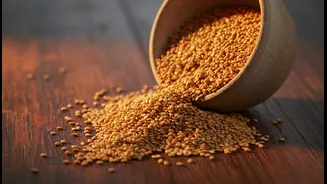
Winter is the time for nourishing meals that provide warmth and energy. Focus on seasonal greens and root vegetables. 9. Sarson da Saag: A North Indian classic made from mustard greens, this dish is packed with vitamins and antioxidants. Prepare it with minimal oil or ghee to keep it heart-healthy and serve with makki di roti (maize flour flatbread). 10. Methi Thepla: These flatbreads made with whole wheat flour and fresh fenugreek (methi) leaves are a great travel-friendly snack or meal. Fenugreek is known to have properties that may help manage cholesterol levels. 11. Bajra Khichdi: A warming and nutritious one-pot meal made from pearl millet (bajra) and moong dal. Millet is a high-fibre grain, and this khichdi is easy on the digestive system. 12. Palak Tofu: A healthier take on palak paneer, using tofu instead of high-fat paneer. Spinach is rich in nutrients, and tofu provides lean protein. This curry pairs well with whole wheat rotis or brown rice.
Fresh Spring Flavours
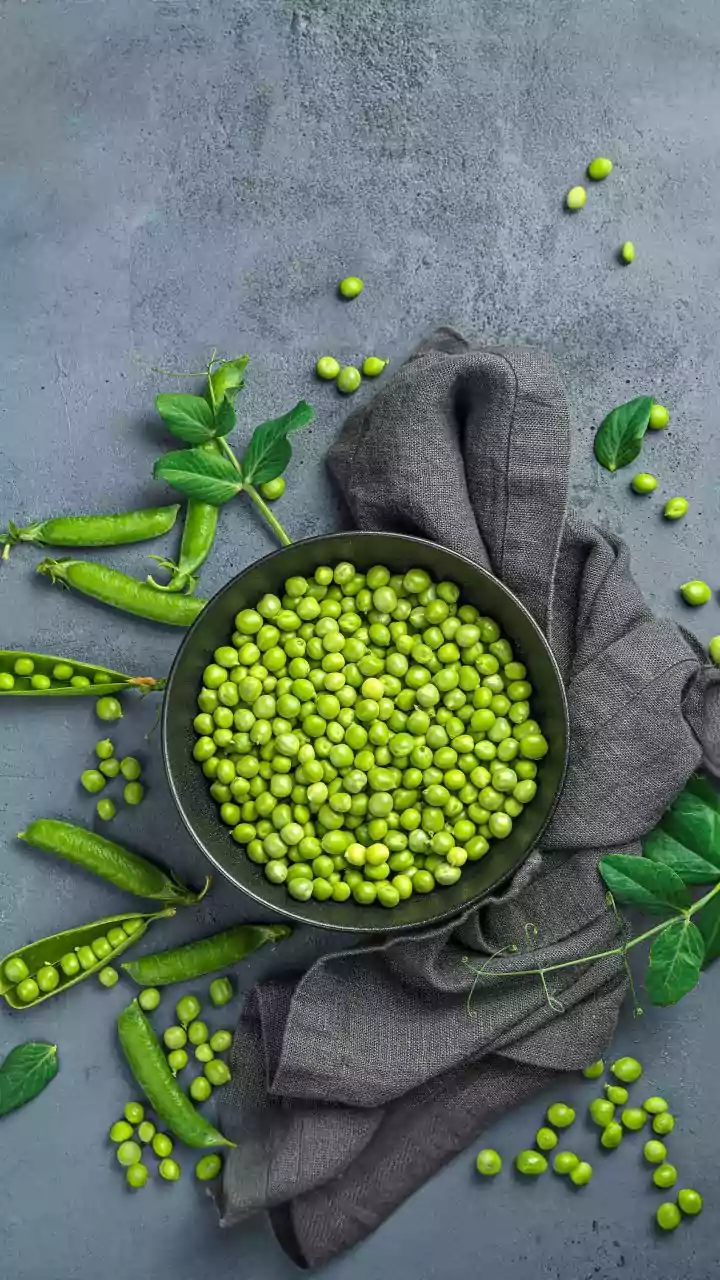
As winter gives way to spring, the markets are filled with fresh greens and tender vegetables. 13. Mooli Paratha: Radish-stuffed flatbreads made with whole wheat flour are a popular breakfast in many Indian homes. Use minimal oil for roasting to keep them healthy. Radish leaves can also be cooked as a nutritious sabzi. 14. Green Pea and Vegetable Stir-fry: A quick and colourful stir-fry with spring vegetables like green peas, carrots, and beans. Use a heart-healthy oil and season with ginger, garlic, and a splash of low-sodium soy sauce for a tasty side dish. 15. Quinoa Upma: A modern, protein-rich take on a breakfast classic. Quinoa is a complete protein and a good source of fibre. Studies suggest that regular consumption can help reduce total cholesterol and LDL levels.