




The Source of the Speculation
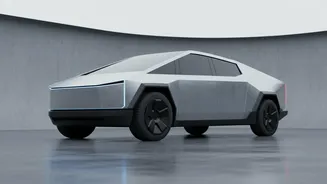
Talk of a Cybertruck redesign isn't just wishful thinking from critics; it's rooted in the vehicle's rocky journey from concept to reality. Since deliveries began in late 2023, the truck has been plagued by a series of high-profile quality control issues.
Early owners have reported everything from misaligned body panels and rust-like spots on the stainless steel exoskeleton to more serious problems like faulty accelerator pedals. These issues have led to recalls and have compounded the already significant challenges of manufacturing such an unconventional vehicle. More recently, analysts have pointed to disappointing sales figures in 2025 and 2026, suggesting the truck's radical design may not have the mass-market appeal Tesla hoped for. This has led industry watchers to suggest that a redesign or a new, more conventional variant could be a way for Tesla to protect its investment and boost interest.
Why a Redesign Makes Practical Sense
The arguments for a revised Cybertruck go beyond just aesthetics. The current design presents fundamental manufacturing and repair headaches. The use of thick, unpainted stainless steel panels means that even minor dents or scratches are difficult and costly to fix, as there's no paint to hide imperfections. This has made repairs a labor-intensive process, with panel replacement often being the more viable option. Furthermore, the truck's rigid, angular construction has raised safety concerns, particularly for pedestrians and other vehicles in a collision. European safety regulators have expressed reservations, potentially limiting the Cybertruck's global market reach without significant modifications. A redesign could address these practical and regulatory hurdles, creating a vehicle that is easier to produce, cheaper to repair, and acceptable in more international markets.
The Case for Staying the Course
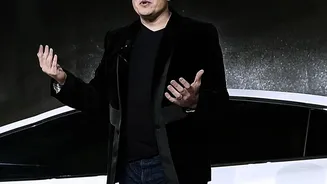
Despite the challenges, abandoning the Cybertruck's iconic design would be a major departure for Tesla and its CEO, Elon Musk. Musk has consistently defended the vehicle's futuristic look, stating it was intentionally designed to be different from every other truck on the market. He has acknowledged the risk, once tweeting, "there is always some chance that Cybertruck will flop, because it is so unlike anything else. I don't care. I love it so much even if others don't." For Tesla, the Cybertruck is more than just a product; it is a statement about pushing boundaries and defying convention. Backing down now could be perceived as a failure of that vision. The company has also invested heavily in developing new manufacturing processes specifically for the Cybertruck's unique exoskeleton, and a complete redesign would mean abandoning that work.
What Tesla Has Actually Said
Officially, Tesla has confirmed nothing about a major redesign or a 'Cybertruck 2.0'. While the company has made continuous minor updates and improvements to the vehicle since its launch—addressing issues with things like the giant windshield wiper and drive motor—these are iterative changes, not a fundamental overhaul. Before production even began, Elon Musk stated that the design was "locked" and that any tweaks would be small. The company's focus appears to be on overcoming the existing production bottlenecks and scaling up the manufacturing of the current design. While rumors of a smaller, more compact pickup have surfaced, there has been no credible chatter from inside Tesla about a full redesign of the flagship Cybertruck itself. The company's public stance remains committed to the vehicle that was first unveiled in 2019.