

The Rise of Social Media Food Scares
Recent months have seen a surge in food safety concerns amplified by social media. Viral posts have exposed unhygienic kitchens, questionable ingredients, and lapses in packaged food integrity, leading to a nationwide crackdown by regulators. This has
created an environment where consumers are understandably anxious, questioning the safety of everything from street food to items on quick-commerce apps. While this increased vigilance is necessary, it also fuels a cycle of fear and misinformation, where unverified claims can cause widespread panic and damage the reputation of businesses without proper context or investigation. Consumers are often left confused, caught between official reports and alarming online narratives.
A Chef's Constructive Response
Instead of joining the chorus of alarm or making sweeping statements, Chef Saransh Goila has consistently chosen a more productive path. His approach is not to add to the noise but to cut through it with a simple, powerful solution: cooking at home. This philosophy is a direct response to the anxiety many feel. By focusing on what individuals can control, he shifts the conversation from helplessness to empowerment. His belief, demonstrated through his career, is that understanding ingredients and cooking methods is the ultimate form of quality control. Rather than simply telling people what not to eat, he shows them how to create delicious, reliable, and safe food in their own kitchens.
The Recipe as an Antidote
Goila’s famous butter chicken recipe is a perfect example of this philosophy in action. Originally developed by accident for his vegetarian parents, the recipe was refined with a focus on flavour and health. He famously altered the traditional 60:40 tomato-to-dairy ratio to 80:20, used cashew paste to reduce heavy cream, and added a signature smoky flavour, all while avoiding added sugar. This isn't just about creating a 'healthier' version; it's about deconstructing a beloved dish to its core components, showing that complexity and depth of flavour come from technique, not just heavy fats or additives. By sharing this detailed process, he demystifies the dish and gives cooks the confidence to recreate a restaurant-quality meal they can trust.
Empowerment Through the Kitchen
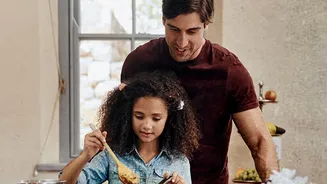
The message behind offering a recipe is profound. It suggests that the best response to concerns about external food systems is to build confidence in our own. Cooking from scratch provides transparency that no label or restaurant review ever can. You choose the ingredients, control the hygiene of your environment, and understand every step of the process. Goila’s approach is part of a larger movement of chefs who use their platforms for education. They encourage a deeper connection with food, turning the act of cooking from a chore into an act of assurance. In a landscape rife with adulterated products and hygiene lapses, from paneer to spices, the knowledge of how to make your own food becomes an invaluable skill.
A Lesson in Responsible Influence
Ultimately, Goila's stance provides a masterclass in responsible influence. In an age where anyone with a smartphone can become a food critic, his method stands out. He uses his credibility not to generate fear or clicks, but to educate and build community. He proves that a public platform can be a tool for positive change, guiding followers toward practical solutions rather than leaving them to navigate a sea of conflicting information. This approach sets a standard for public figures in the food space: to lead with expertise, foster trust, and remind everyone that sometimes, the most reliable answer to complex problems can be found right at your own stove.