




The Foundation: Choosing Your Wax
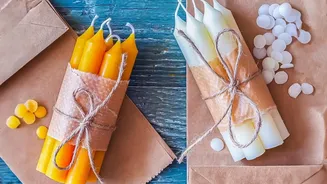
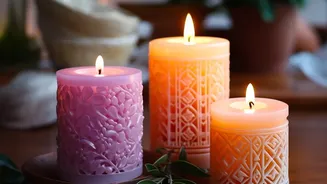
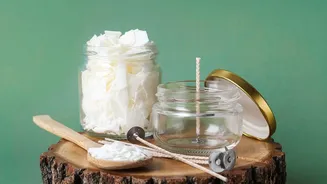
The wax is the body of your candle, and your choice will influence its appearance, burn time, and scent performance. For beginners, it's best to start with a wax that is easy to work with. The two most common and recommended types are soy and paraffin.
Soy wax, derived from soybeans, is a natural and renewable option that's praised for its clean and slow burn. It holds fragrance well, though it may require a 'curing' period of one to two weeks for the scent to fully develop. You might notice some surface imperfections like 'frosting' with soy wax, which is a normal characteristic of this natural product. Paraffin wax is a traditional, petroleum-based choice known for its ability to create smooth, vibrant-looking candles with a very strong scent throw. Many beginners find success with wax blends, such as coconut-soy or paraffin-soy, which are formulated to combine the best properties of each type and offer consistent, reliable results.
The Heartbeat: Selecting the Right Wick
The wick is the engine of your candle, drawing fuel (melted wax) up to the flame. Choosing the right one is arguably the most critical step for a successful candle. A wick that's too small will create a 'tunnel', leaving unmelted wax around the edges of the container. A wick that's too large will produce a dangerously high flame, soot, and smoke. Wick selection depends on four key factors: the type of wax, the diameter of your container, the amount of fragrance oil, and any color dyes used. Manufacturers provide sizing charts that suggest a starting point based on your container's diameter. For example, a wider jar requires a thicker wick, and a softer wax like soy may need a larger wick than a harder wax like paraffin to create the same melt pool. The best approach is to test a few different sizes to see which one creates a full melt pool that reaches the edge of the jar in about three to four hours.
The Soul: Working With Fragrance Oils
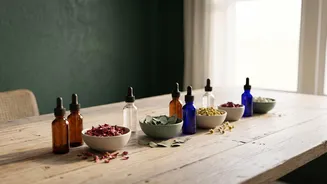
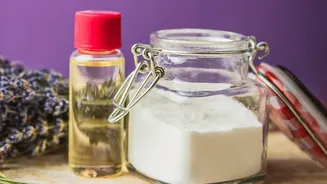
Fragrance is what gives your candle its personality. It's important to use oils specifically designed for candle-making, as they are formulated to bind with wax and burn safely. Kitchen extracts or essential oils not intended for high heat can perform poorly or even be hazardous. When adding fragrance, two factors are key: fragrance load and temperature. Fragrance load is the percentage of oil relative to your wax, typically recommended at 6% to 10% by weight. It's crucial to measure your wax and oil with a scale for accuracy. The temperature at which you add the oil is also vital. Most waxes have an ideal temperature for adding fragrance, usually around 85°C (185°F), which ensures the oil molecules bond properly with the wax. Adding it when the wax is too cool can result in a weak scent, while adding it when it's too hot can cause the delicate top notes of the fragrance to burn off.
Your Starter Toolkit
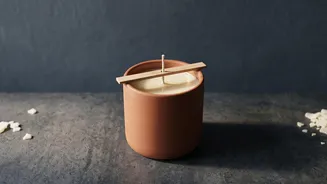
Beyond the core three ingredients, you’ll need a few basic tools to get started. Many of these can be found in your kitchen. You will need a heat source and a double boiler to melt the wax safely; you can create a makeshift one by placing a pouring pitcher inside a larger pot of water. A digital kitchen scale is essential for accurately measuring wax and fragrance oils by weight. A thermometer is needed to monitor your wax temperature. You'll also want something to hold your wick perfectly centered while the candle sets, such as a clothespin or a dedicated wick bar. Finally, have some paper towels and rubbing alcohol on hand for easy cleanup.
Your First Candle: A Simple Guide
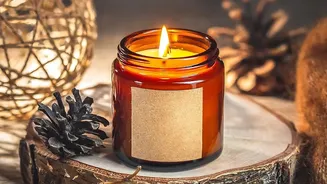
Ready to pour? Start by securing your wick to the bottom centre of your clean, dry container. Next, melt your wax in a double boiler until it's completely liquid. Using your thermometer, check the temperature and add your pre-weighed fragrance oil at the manufacturer's recommended temperature, stirring gently but thoroughly for two minutes. Allow the wax to cool to the recommended pouring temperature before carefully pouring it into your container. Secure the top of the wick in the centre using your wick holder. Let the candle cool completely at room temperature for at least 24 hours. Finally, once it's fully set, trim the wick to about a quarter-inch before its first burn.