





The Invisible Threat of Disease
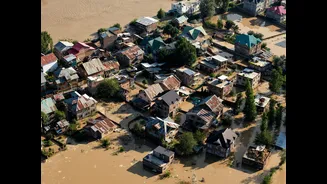
After the floodwaters wash away homes and belongings, they leave behind a toxic legacy. Stagnant pools become breeding grounds for mosquitoes, increasing the risk of diseases like dengue and malaria. More immediate is the contamination of drinking water sources.
When wells and pipes are damaged or overwhelmed, sewage and waste mix into the water supply, creating a perfect storm for waterborne illnesses like cholera, typhoid, and dysentery to spread. These diseases can move quickly through displaced communities living in crowded temporary shelters, turning a natural disaster into a public health catastrophe.
When the Ground Itself Is a Threat
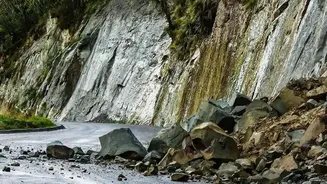
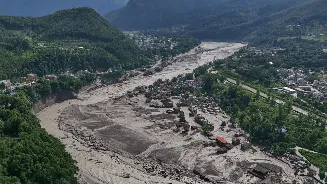
Nepal's mountainous geography makes it uniquely vulnerable to a secondary disaster: landslides. Monsoon rains and intense floods saturate the soil on steep hillsides. Even after the rain stops, this soil remains heavy, unstable, and dangerously loose. The loss of trees and vegetation, washed away by the floods, further weakens the ground. This instability can lead to disaster days or even weeks later, with entire hillsides collapsing without warning. These landslides can bury villages, block crucial roads, and even dam rivers, creating new, sudden flood risks for communities downstream.
Damaged Lifelines and a Long Recovery
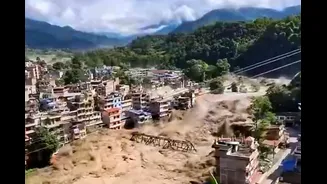
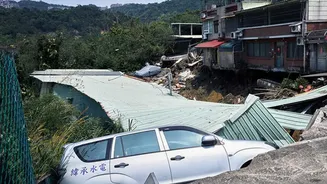
Floods exert immense force, and their impact on infrastructure is often not fully apparent until the water is gone. Bridges might look intact but have their foundations critically undermined, making them unsafe. Roads essential for bringing in aid and restarting economic life can be washed away, covered in debris, or simply disappear. Buildings that withstood the initial inundation may have sustained structural damage that makes them liable to collapse. Furthermore, damage to power plants, electrical grids, and communication lines can isolate entire communities for extended periods, hampering rescue efforts and slowing down the long, expensive process of rebuilding.
The Ruin of Fields and Livelihoods
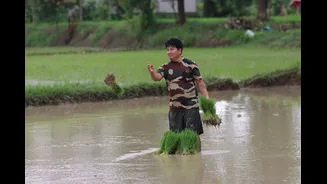
For a largely agrarian society, the aftermath of a flood is an economic calamity. Entire harvests can be wiped out in an instant. But the danger extends beyond this immediate loss. Floodwaters can deposit thick layers of sand and silt on fertile farmland, rendering it unproductive for seasons to come. Livestock are often lost and stored seeds for the next planting season are destroyed, leaving farming families with nothing. This widespread destruction of livelihoods creates food shortages and pushes already vulnerable people deeper into poverty, creating an economic aftershock that can last for years.
The Unseen Scars of Trauma
The psychological impact of surviving a major flood is a profound and often overlooked danger. The trauma of losing a home, possessions, or loved ones does not recede with the water. Survivors are often left grappling with post-traumatic stress disorder (PTSD), anxiety, and depression. The constant uncertainty, financial ruin, and difficult living conditions in temporary shelters create a sustained mental health crisis. For many, especially children, the fear of rain or rising water can become a long-lasting trigger for anxiety. Without adequate psychological support, this silent struggle can be as debilitating as any physical injury, hindering a community's ability to rebuild.