
The Mighty Mushroom's Profile
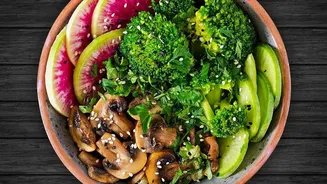
Often mistaken for a simple vegetable, mushrooms are fungi packed with a surprising nutritional punch. They are a rare food source of vitamin D, which is essential for bone health and immune function. Some mushrooms, when exposed to UV light, can significantly
increase their vitamin D content. They are also rich in B vitamins like riboflavin, niacin, and pantothenic acid, which help convert food into energy. Furthermore, mushrooms provide powerful antioxidants, such as selenium and ergothioneine, that help protect body cells from damage and may reduce the risk of chronic diseases like cancer. With their meaty texture and umami flavour, they serve as a satisfying, low-calorie substitute for meat, aiding in weight management and heart health by helping to lower cholesterol.
Zucchini's Nutritional Power
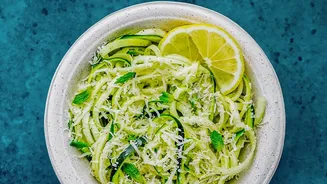
Zucchini, a type of summer squash, is another low-calorie hero that is full of health benefits. It is exceptionally high in water content and provides significant amounts of vitamin C and vitamin A. Vitamin C is crucial for a healthy immune system and skin, while the antioxidants lutein and zeaxanthin in zucchini are celebrated for protecting eye health. This versatile vegetable is also a good source of potassium, which helps regulate blood pressure, and offers both soluble and insoluble fibre. This fibre aids digestion, prevents constipation, and supports a healthy gut microbiome, which is foundational to overall wellness. Don't peel it; the skin contains the highest concentration of these beneficial antioxidants.
The Portion Size Predicament
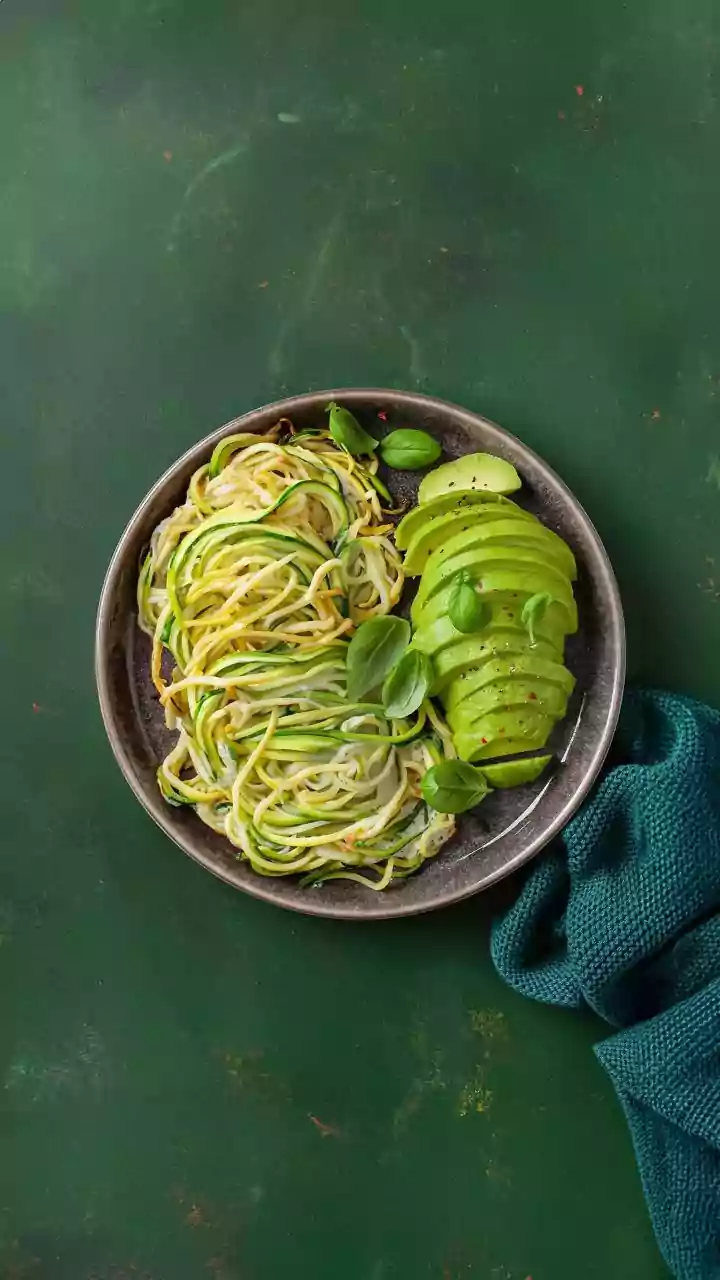
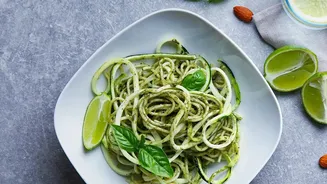
While both mushrooms and zucchini are low in calories, portion size remains a crucial element of a balanced diet. A standard serving of vegetables is typically about half a cup cooked or one cup raw. While it is difficult to overeat plain, steamed vegetables, portion distortion often occurs when they are part of a larger, calorie-dense dish. For example, a small handful of mushrooms is healthy, but a large bowl of creamy mushroom pasta can quickly become a high-calorie meal. The same applies to zucchini; while zucchini noodles are a healthy alternative to pasta, smothering them in heavy sauces negates the benefits. A helpful guide is to fill half your plate with non-starchy vegetables like these, ensuring you get their nutrients without an excess of calories from other ingredients.
Why Preparation Is Everything
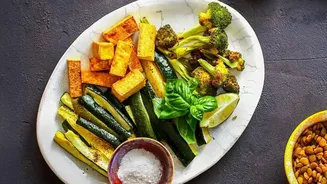
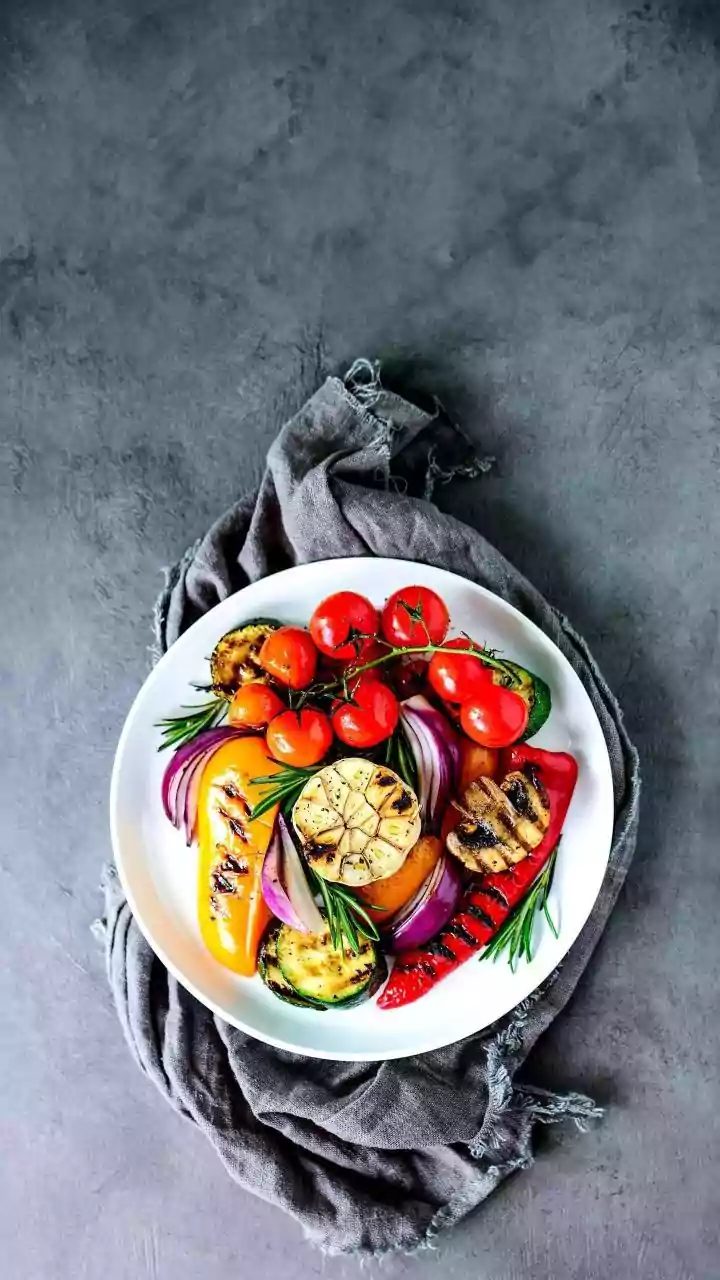
How you cook your vegetables can dramatically alter their nutritional value. Methods like boiling can cause water-soluble vitamins, such as Vitamin C and many B vitamins, to leach out into the water. If you discard the water, you lose the nutrients. Frying, especially deep-frying, adds a significant amount of fat and calories, turning these healthy foods into something much less so. The best preparation methods preserve nutrients and keep calories in check. Steaming, roasting, grilling, and stir-frying with minimal oil are excellent choices. Cooking can even make some nutrients, like the beta-carotene in zucchini, more available for your body to absorb. The key is to cook until tender-crisp, not mushy, to retain both texture and nutritional integrity.
Bringing It All Together
Instead of viewing mushrooms and zucchini as competitors for a spot on your plate, think of them as partners in health. Their different nutritional profiles are complementary. For a balanced meal, try sautéing sliced mushrooms and zucchini with garlic and herbs as a simple side dish. Add them both to omelettes, stir-fries, or soups to boost the nutrient content. Stuff zucchini boats with a mixture of chopped mushrooms, lean protein, and whole grains. Or, thread them onto skewers for a healthy barbecue option. By combining them, you get a wider array of vitamins, minerals, and antioxidants than you would from eating either one alone. This variety is not just nutritionally superior but also makes meals more interesting and flavourful.