



The Final Dress Rehearsal
On Tuesday, September 29, the four-person crew participated in a crucial pre-launch milestone: the dry dress rehearsal. This full simulation of launch day procedures saw the astronauts don their sleek, white SpaceX pressure suits, perform air leak checks,
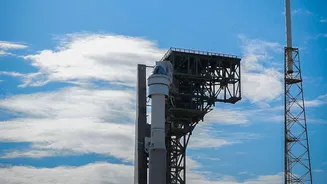
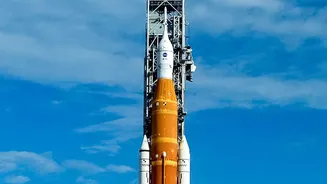
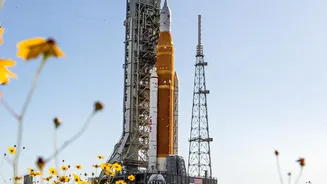
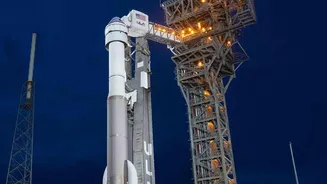
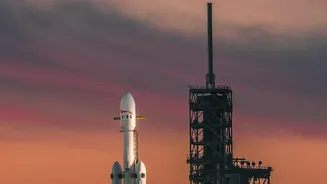
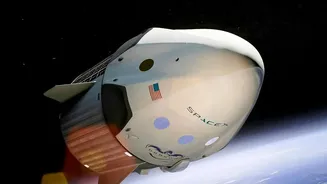
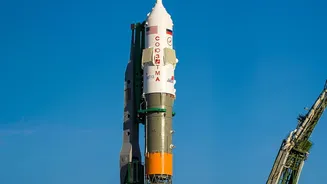
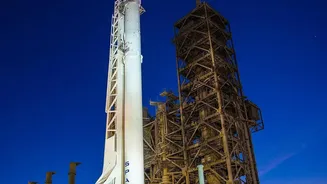
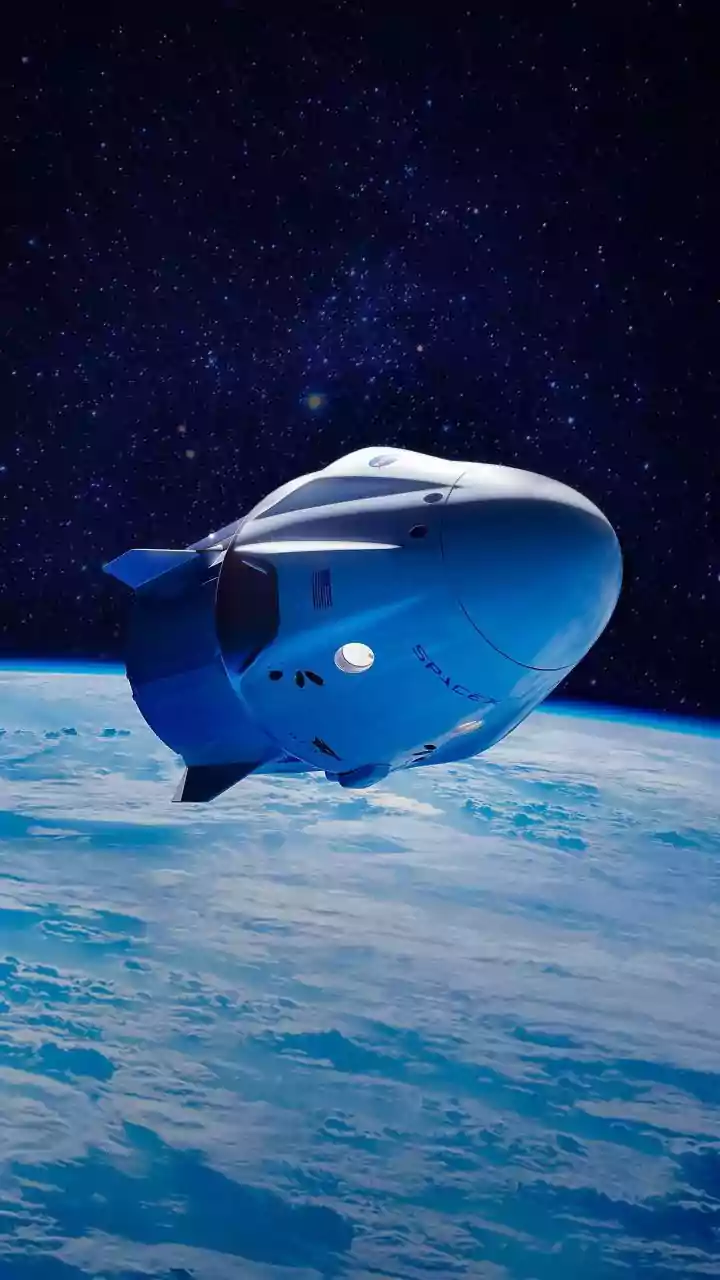
and travel to Space Launch Complex 40 at Cape Canaveral Space Force Station. They then boarded the Dragon spacecraft perched atop the Falcon 9 rocket. The term "dry" signifies that the rocket is not loaded with propellant, allowing the crew and ground teams to safely run through every step of the countdown, from suit-up to strapping in, ensuring perfect coordination for the real event. This test is a cornerstone of launch preparations, validating that all systems and personnel are ready for flight.
Meet the International Crew-13
This mission features a diverse, international crew ready for a long-duration stay on the International Space Station (ISS). The mission is commanded by NASA astronaut Jessica Watkins, with fellow NASA astronaut Luke Delaney serving as pilot. They are joined by two mission specialists: Joshua Kutryk of the Canadian Space Agency (CSA) and Roscosmos cosmonaut Sergey Teteryatnikov. For Kutryk, this marks his first spaceflight after being selected as a CSA astronaut in 2017, having previously served as a CF-18 fighter pilot. The collaboration highlights the continued international partnership that has been the hallmark of the ISS program for decades.
A Six-Month Mission of Science
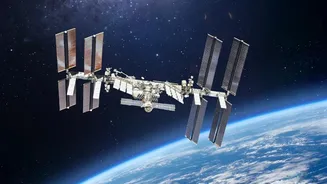
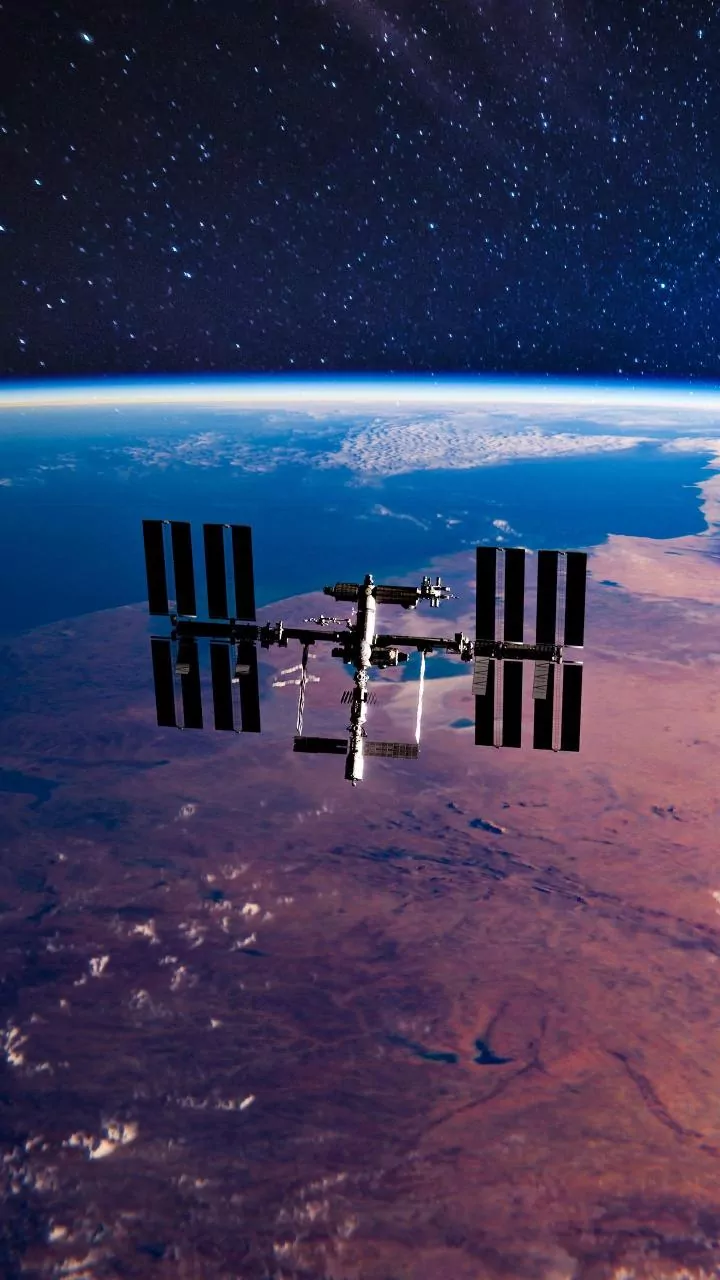
Crew-13 is not just a taxi service to orbit; it's the start of a demanding six-month scientific expedition. Once aboard the station, the astronauts will become part of Expedition 75 and will be responsible for conducting hundreds of experiments. Their research spans a wide range of disciplines, from biomanufacturing and regenerative medicine to technology development and student-led projects. Key investigations include studying human stem-cell-derived tissues to advance treatments for diseases like Parkinson's, exploring new methods for crop production in space, and testing medical equipment to monitor crew health on long-duration missions. This work is critical for improving life on Earth and for preparing humanity for future voyages to the Moon and Mars.
The NASA-SpaceX Partnership
Crew-13 is the thirteenth operational crew rotation mission to the ISS under NASA's Commercial Crew Program, a partnership with private American companies to provide safe and reliable transportation to low-Earth orbit. This program, which involves both SpaceX and Boeing, has restored the United States' ability to launch its own astronauts from American soil, a capability that was paused after the retirement of the Space Shuttle program in 2011. By purchasing flights as a service, NASA can focus its resources on deep-space exploration, such as the Artemis missions to the Moon, while ensuring a continuous human presence on the space station. The Falcon 9 rocket and Dragon spacecraft have become a proven system for these routine flights.
Countdown to Launch
With the dress rehearsal and a final Launch Readiness Review successfully completed, all eyes are on the clock. Liftoff is scheduled for no earlier than 11:10 a.m. EDT on Thursday, October 1, from Space Launch Complex 40. However, the weather remains a variable. The U.S. Space Force's 45th Weather Squadron has predicted a 60% chance of favorable conditions, with potential concerns related to clouds and precipitation. If all goes as planned, the Dragon spacecraft is expected to dock with the ISS about eight hours after launch. After arriving, Crew-13 will have a brief handover with the departing Crew-12 astronauts before beginning their own tour of duty aboard the orbiting laboratory.