


The Art of Finding Seclusion
Finding a hidden beach is an adventure in itself. The first rule is to look beyond the main tourist towns. Portugal's most secluded spots are often located within its natural parks, like the Parque Natural do Sudoeste Alentejano e Costa Vicentina. Renting
a car is almost essential, as many of these gems are at the end of unmarked dirt roads. Before you go, use satellite map views to spot promising coves away from major access points. Don't be afraid to follow a small sign or a dusty track. Pack essentials like water, snacks, and sun protection, as most of these beaches have no facilities. This lack of infrastructure is precisely what preserves their charm.
Algarve's Quiet Side: Praia da Ingrina
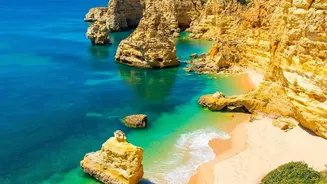
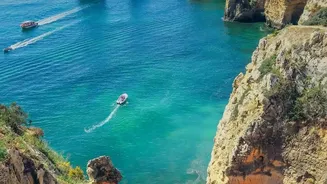
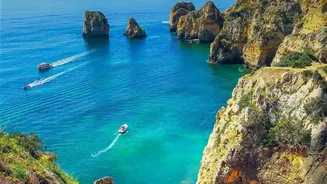
The Algarve is famous for its crowds, but it still holds secrets. Tucked away near the village of Raposeira, Praia da Ingrina is a small, sheltered cove that feels worlds away from the bustling resorts. Its calm, clear waters are shielded by rocky headlands, making it an ideal spot for swimming and snorkelling when the Atlantic is rough elsewhere. Families love the gentle slope of the sand into the sea. While there's a small restaurant for refreshments, the beach retains a quiet, local feel. Access is straightforward by car, with signs pointing the way from Raposeira, though parking can be limited. For a little exploration, you can hike over the cliffs to the neighbouring surfer-friendly beach, Praia do Zavial.
The Wild Alentejo: Praia do Malhão
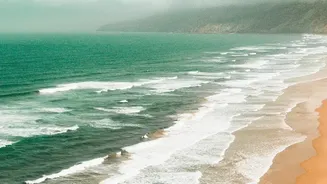
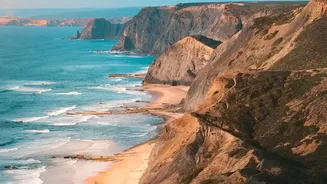
Stretching for several kilometres north of Vila Nova de Milfontes, Praia do Malhão is the definition of raw, untamed beauty. As part of a protected natural park, the landscape is free of hotels and bars, offering a pure escape into nature. The beach is a vast expanse of golden sand backed by rolling dunes and dark cliffs, pounded by powerful Atlantic waves. This makes it a favourite for surfers and bodyboarders. Even in peak summer, its sheer size means you can always find a secluded spot by walking a few minutes along the shore. Access is via a dirt track, and you’ll need a car to get there, but several large parking areas and wooden walkways make reaching the sand easy. Remember, there are no lifeguards or amenities here.
Near Lisbon's Reach: Praia da Ursa
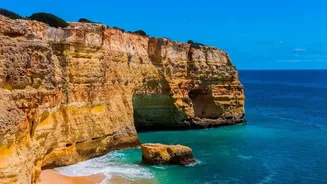
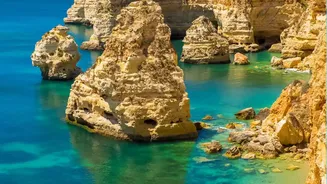
Considered one of Portugal's most beautiful beaches, Praia da Ursa ('Bear Beach') offers dramatic scenery just a short trip from Lisbon. Located near Cabo da Roca, the westernmost point of mainland Europe, its defining features are two giant sea stacks that rise from the water, one of which is said to resemble a bear. Getting here is part of the adventure; it requires a moderately difficult 30-minute hike down a steep, sometimes slippery path. This trek keeps the crowds away, rewarding determined visitors with a stunning and often quiet beach. There are no facilities, so bring everything you need with you. The effort is more than worth it for the unforgettable landscape and sense of discovery.
A Northern Marvel: Praia do Senhor da Pedra
Not all of Portugal's unique beaches are in the south. Near Porto, in Vila Nova de Gaia, Praia do Senhor da Pedra offers a truly iconic sight: a hexagonal chapel from 1686 built directly on a cluster of rocks on the beach. At high tide, the waves crash around the chapel, isolating it from the shore, while at low tide, you can walk right up to it. The beach itself is a long, clean stretch of fine white sand. This site was originally a place of pagan worship before the chapel was constructed, adding to its mystical atmosphere. Despite its beauty and accessibility via a short train ride from Porto, it remains less crowded than many southern counterparts, offering a unique blend of coastal scenery and history.