

Chaos at 36,000 Feet
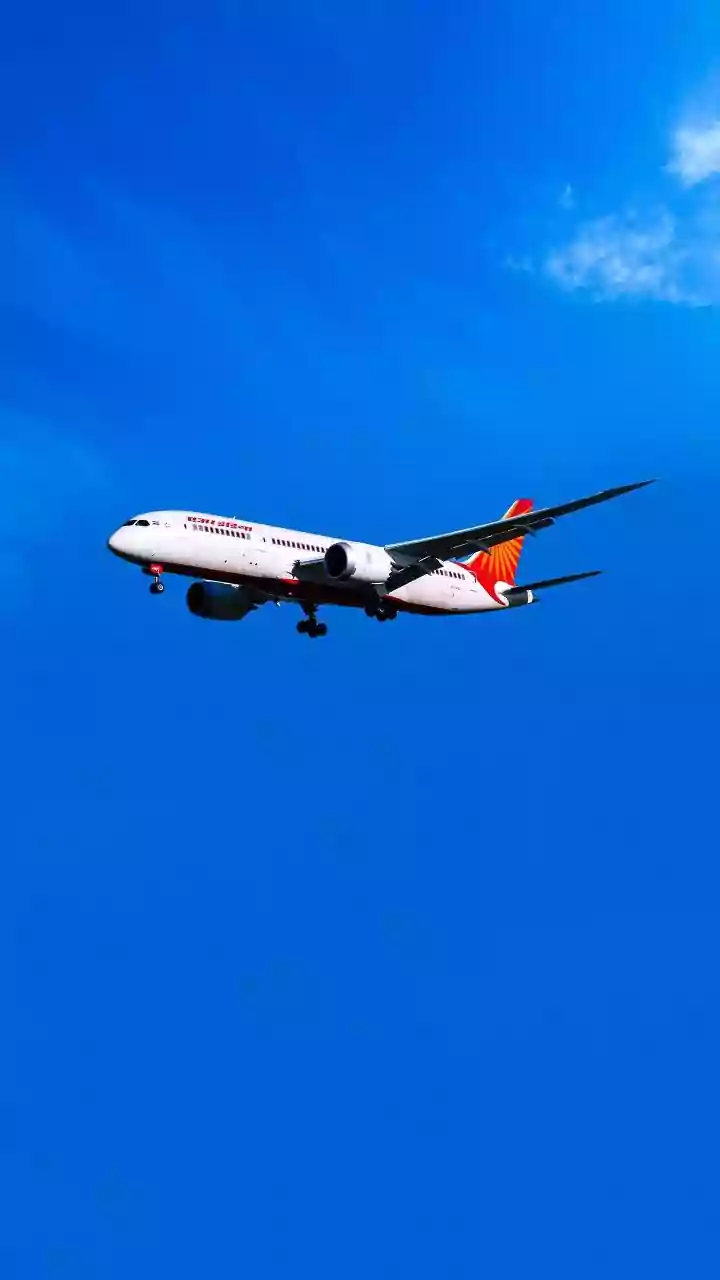
On August 4, 2026, passengers on Air India flight AI2379 from Phuket to Delhi experienced a few moments of sheer terror. While cruising at altitude, the Airbus A320neo encountered severe, unexpected turbulence, causing a sudden drop of approximately 300
feet. Passengers who were not buckled in were reportedly thrown from their seats, with some hitting the cabin ceiling. The aftermath was a scene of chaos, with damaged overhead panels and, more importantly, injured people. A total of 17 individuals, including 13 passengers and four crew members, required hospital evaluation after the plane landed safely in Delhi. One passenger described the harrowing event as feeling like a "rebirth for all of us," a stark reminder of the violent forces at play.
The Invisible Threat: Clear-Air Turbulence
The culprit in the Air India incident and many others like it is a phenomenon known as Clear-Air Turbulence, or CAT. Unlike the turbulence associated with thunderstorms, which can often be seen and detected by weather radar, CAT is insidious because it is invisible. It occurs in cloudless, clear skies, giving pilots no advance visual warning. This type of turbulence is created by wind shear, which happens when large masses of air moving at different speeds are close to each other, often near high-altitude jet streams. The strain between these air masses breaks into chaotic eddies, similar to ripples in water but far more powerful. Because it cannot be detected by conventional radar, pilots can fly into a pocket of severe CAT with absolutely no warning.
Why 'Seatbelt Off' Isn't an 'All-Clear'
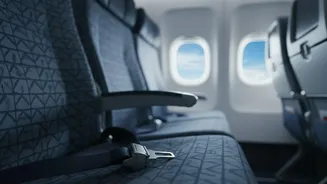
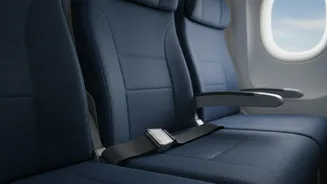
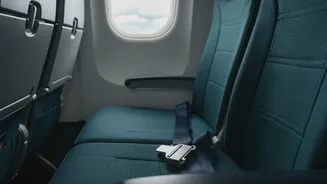
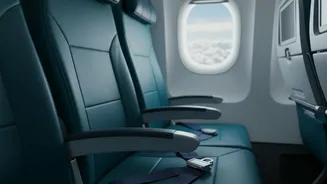
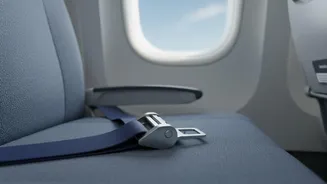
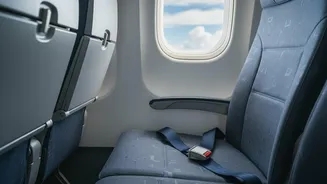
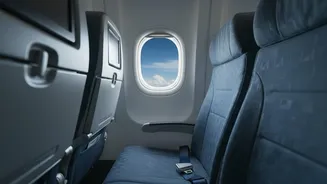
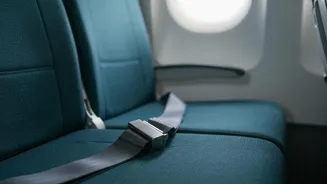
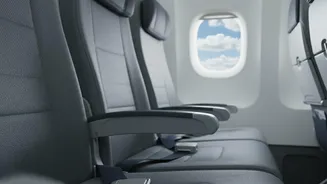
Pilots illuminate the seatbelt sign when they anticipate bumpy air based on weather reports, radar, or reports from other aircraft. However, the absence of the light does not guarantee a perfectly smooth flight. It simply means there is no known turbulence ahead. The existence of unpredictable CAT is precisely why aviation safety experts and flight crews continuously advise passengers to remain buckled up whenever they are seated. An aircraft can be perfectly stable one moment and violently jolted the next. In those instances, it's too late to react and fasten your belt. The most common injuries from turbulence, including head injuries, broken bones, and soft tissue damage, overwhelmingly happen to people who are not restrained.
A Simple Habit for Absolute Safety
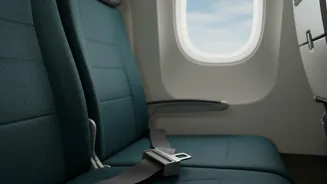
According to the U.S. Federal Aviation Administration (FAA), turbulence is the leading cause of non-fatal injuries on commercial flights. Yet, the vast majority of these injuries are preventable. Data from the National Transportation Safety Board (NTSB) shows that crew members, who are often standing to perform their duties, account for a large percentage of those injured. For passengers, the solution is straightforward. The FAA and other international aviation bodies have a consistent message: keep your seatbelt fastened whenever you are in your seat. Even if it's worn loosely for comfort, a fastened belt can prevent you from being thrown from your seat into the ceiling or aisle during an unexpected, severe jolt.