






A World in Miniature
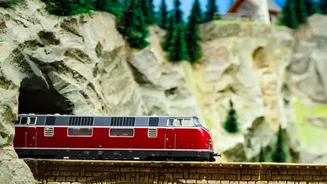
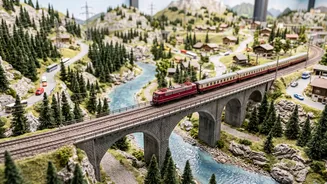
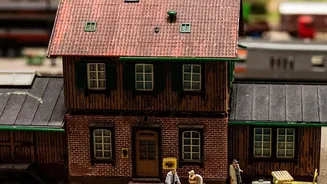
Recognised by Guinness World Records as the largest model railway system on Earth, Miniatur Wunderland is a marvel of engineering and artistry. Sprawling across more than 1,600 square meters of model space, it features over 16,000 meters of train track.
This intricate network winds through detailed miniature recreations of locations like the United States, Italy, and Scandinavia. The world is populated by almost 300,000 tiny figurines, over 1,200 trains pulling more than 12,000 wagons, and thousands of buildings. But what truly brings this world to life is the movement. It’s not just the trains; hundreds of cars and trucks navigate the tiny streets, and planes take off and land at a fully functional model airport.
The Digital Command Centre
Orchestrating this tiny, bustling metropolis requires immense technological power. The heart of the operation is a central control room, where dozens of computers run custom software to manage every aspect of the Wunderland. This isn't a simple toy train setup; it's a sophisticated, decentralized IT infrastructure designed to prevent catastrophic failures. If one part of the system has a hardware issue, it only affects a small section, allowing the rest of the world to continue running smoothly. From this command centre, technicians monitor hundreds of camera feeds from tiny cameras mounted on trains and throughout the layout, allowing them to oversee everything from a traffic jam in the fictional city of Knuffingen to a ship navigating the 30,000-litre real-water basin of the Scandinavia section.
Keeping Thousands of Trains on Time
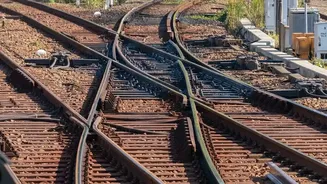
The railway is the backbone of Miniatur Wunderland. The train control system, a highly specialised program, is responsible for ensuring the 1,200-plus trains navigate the complex web of tracks, signals, and switches without incident. The track is divided into thousands of automated blocks, which report whether they are occupied by a train. This allows the central computer to know where every train is at all times. It choreographs their movements, stops them at over 1,400 signals, and routes them through nearly 3,600 switches to ensure they run on time and, most importantly, don't collide. This automated system is so precise it can manage a constant flow of traffic across the entire layout, creating a realistic and ever-changing railway landscape.
Beyond the Rails: The Car System
What truly sets Miniatur Wunderland apart is its incredible road traffic. Over 350 vehicles, from fire engines to delivery trucks, drive autonomously. This is made possible by the Car System, an ingenious technology that uses guide wires embedded in the roads and magnets on the front axles of the vehicles to steer them. A custom-developed computer program sends commands to the cars via infrared and radio signals, telling them when to stop, go, turn on their lights, or even put on their hazard flashers. The system can simulate realistic traffic patterns and even stage complex events, like a multi-vehicle firefighting response in Knuffingen, which occurs on average every 15 minutes. The vehicles even monitor their own battery levels and drive themselves to charging stations when low on power.
An Airport with Real Departures
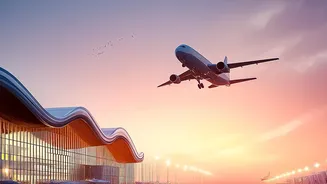
The technological ambition culminates at Knuffingen Airport, a breathtakingly detailed replica inspired by Hamburg's own international airport. Here, 52 aircraft models accelerate down the runway, take off, and disappear into the clouds thanks to a sophisticated catapult and guide rod system. The airport runs approximately 250 simulated flights per day, all managed by the central control system. Just like a real airport, it has its own fleet of ground service vehicles, including catering trucks and fire engines, all operating on the same Car System technology that governs the city streets, creating a seamless and dynamic simulation of air and ground traffic.